Infineon DD350N18K: A High-Reliability 1800V Rectifier for Industrial Applications
Infineon DD350N18K Rectifier Diode Module | 1800V, 350A
High-Reliability Rectification for Demanding Power Systems
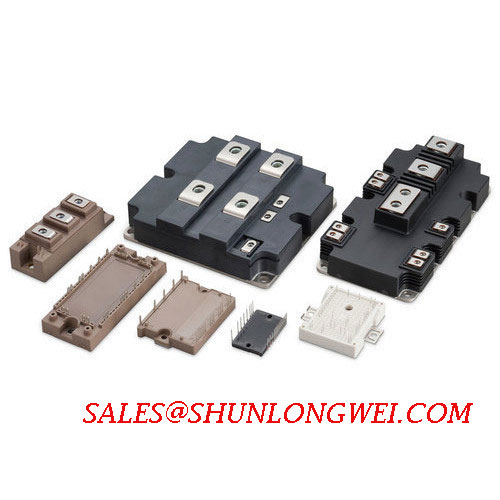
The Infineon DD350N18K is a rectifier diode module engineered for robust performance in high-power industrial applications. It delivers a superior balance of high voltage capability and efficient thermal management, centered on its 1800V blocking voltage and 350A current rating. This module provides a durable foundation for power conversion systems where reliability is paramount. It is specifically built to handle substantial electrical and thermal stresses, ensuring long operational life.
- Core Specifications: 1800 V | 350 A | 5500 A IFSM
- Key Advantages: High voltage safety margin, excellent surge current survivability.
This module’s high repetitive peak reverse voltage (VRRM) provides a crucial safety margin in systems with high DC bus voltages, mitigating the risk of failure from transient overvoltage events.
Download the Official DD350N18K Datasheet (PDF)
Technical Analysis for System Reliability
The engineering value of the DD350N18K lies in specifications that directly enhance system robustness. Its VRRM of 1800V is critical for applications like renewable energy inverters, where input voltage can fluctuate significantly. This high blocking voltage ensures the module can withstand unexpected voltage spikes without degradation, a key factor in long-term field reliability. Furthermore, the module utilizes pressure contact technology, which contributes to its high thermal and electrical cycling capability, making it suitable for applications with frequent load changes.
Another defining feature is its exceptional surge current capability (IFSM) of 5500A. This rating is vital for front-end rectifiers in large motor drives, which experience high inrush currents during startup. Think of IFSM as the module’s ability to withstand a sudden, massive surge of current, similar to how a dam is built to withstand a flash flood. This high surge rating prevents catastrophic failure during abnormal events, safeguarding both the module and the entire power system.
Optimized Application Scenarios
The specific characteristics of the DD350N18K make it a strong candidate for several high-power applications:
- Industrial Motor Drives: Serves as a highly reliable front-end rectifier for large Variable Frequency Drives (VFDs), easily handling high startup inrush currents.
- Power Supply Systems: Ideal for the input rectification stage of high-power industrial PSUs and battery chargers, where its efficiency and durability are key.
- Renewable Energy Inverters: The 1800V rating provides the necessary voltage headroom for utility-scale solar and wind power systems, enhancing system safety and longevity.
- Welding Equipment: In heavy-duty welding power supplies, its robust thermal design and surge current capacity ensure consistent performance under demanding load cycles.
This module is best matched for high-power rectifier circuits where voltage headroom, surge survivability, and long-term thermal stability are the primary design considerations.
Key Specifications of the DD350N18K
| Absolute Maximum Ratings (TC = 25°C unless otherwise noted) | |
|---|---|
| Repetitive Peak Reverse Voltage (VRRM) | 1800 V |
| Average Forward Current (IFAV) at TC=80°C | 350 A |
| Surge Forward Current (IFSM) at t=10ms | 5500 A |
| Operating Junction Temperature (Tvj op) | -40 to +150 °C |
| Electrical & Thermal Characteristics | |
| Forward Voltage (VF) (Typical at 350A, Tvj=150°C) | 1.35 V |
| Threshold Voltage (VT0) | 0.95 V |
| Slope Resistance (rT) | 1.0 mΩ |
| Thermal Resistance, Junction to Case (RthJC) | 0.095 K/W per diode |
Engineer’s FAQ
1. What is the primary benefit of the 1800V VRRM rating for an industrial drive application?
The 1800V rating provides a significant safety margin against transient overvoltages that can occur on the AC line or DC bus. This is crucial in industrial environments where voltage stability can be compromised, directly improving the reliability of power semiconductor systems.
2. How does the module’s thermal resistance impact heatsink selection?
The low junction-to-case thermal resistance (0.095 K/W per diode) indicates efficient heat transfer from the semiconductor to the module’s baseplate. To calculate the required heatsink thermal resistance, engineers must determine the total power dissipation and the maximum allowable junction temperature, then use this RthJC value in the thermal calculation chain to ensure the junction stays within safe operating limits.
3. What are the mounting torque specifications for the DD350N18K?
The datasheet specifies a mounting torque of 5 Nm ± 15% for the main terminals (M6) and the mounting screws (M6). Applying the correct torque is essential to ensure low thermal contact resistance to the heatsink and to prevent mechanical stress on the module’s housing.
4. Is this module suitable for use as a freewheeling diode in an inverter?
While it can function as a diode, this module is primarily designed as a rectifier. For high-frequency inverter applications, a diode with specific soft-recovery characteristics is typically required to minimize switching losses and EMI. Always verify the recovery characteristics against your specific switching frequency and load conditions.
Enabling Robust Power Conversion
The DD350N18K rectifier diode module provides the high-voltage resilience and surge current durability necessary for modern, high-power industrial converters. Its specifications for voltage, current, and thermal performance are aligned with the requirements for building efficient and long-lasting power systems. This focus on fundamental robustness allows engineers to design with greater confidence, particularly in applications where operational uptime is critical. For further insights into component reliability, exploring topics like the role of an isolated baseplate can provide additional context.