Sharp LM24010Z: A Technical Analysis of a High-Contrast FSTN Display
LM24010Z | Sharp 240×128 FSTN Transflective LCD Module
Introduction to the LM24010Z Graphic Type LCD Module
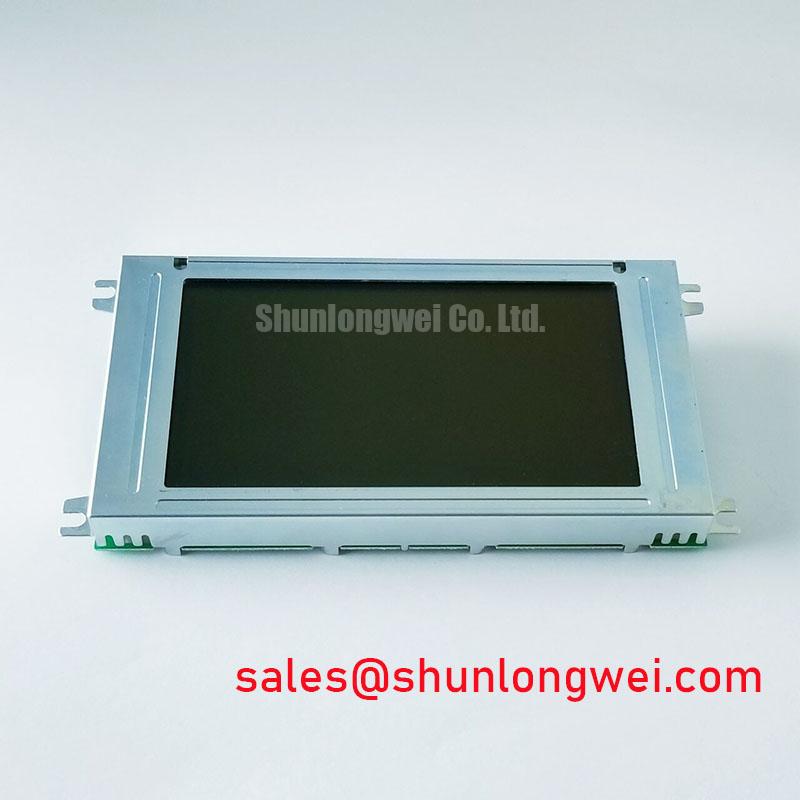
The Sharp LM24010Z is a graphic type Liquid Crystal Display module delivering a 240 x 128 dot matrix resolution. Its primary engineering advantage is its Film-compensated Super-twisted Nematic (FSTN) transreflective display technology, which ensures high-contrast visibility in both direct sunlight and low-light environments requiring a backlight. This is combined with an integrated controller and a parallel interface, streamlining the hardware integration process for embedded systems. This component is a strong candidate for designs prioritizing clear visual output and straightforward implementation.
- Core Specifications: 240 x 128 Dot Resolution | FSTN Positive Transflective Display | Integrated Controller IC
- Key Engineering Benefits: Exceptional readability across diverse lighting conditions, simplified system interface reducing external component requirements.
Download the official Sharp LM24010Z Datasheet (PDF)
Technical Analysis of Core Features
The standout characteristic of the LM24010Z is its transreflective FSTN screen. This technology provides a dual-mode operation for consistent legibility. In bright ambient conditions, the reflective layer uses external light to illuminate the display, creating a crisp, paper-like image without relying on the backlight. When lighting is poor, the transmissive capability allows the built-in electroluminescent (EL) backlight to provide uniform, yellow-green illumination. Think of this transreflective property as a two-way mirror for light; it leverages external light when available and allows internal light to pass through when necessary, ensuring the display is always readable. This removes the common trade-off between indoor and outdoor screen performance.
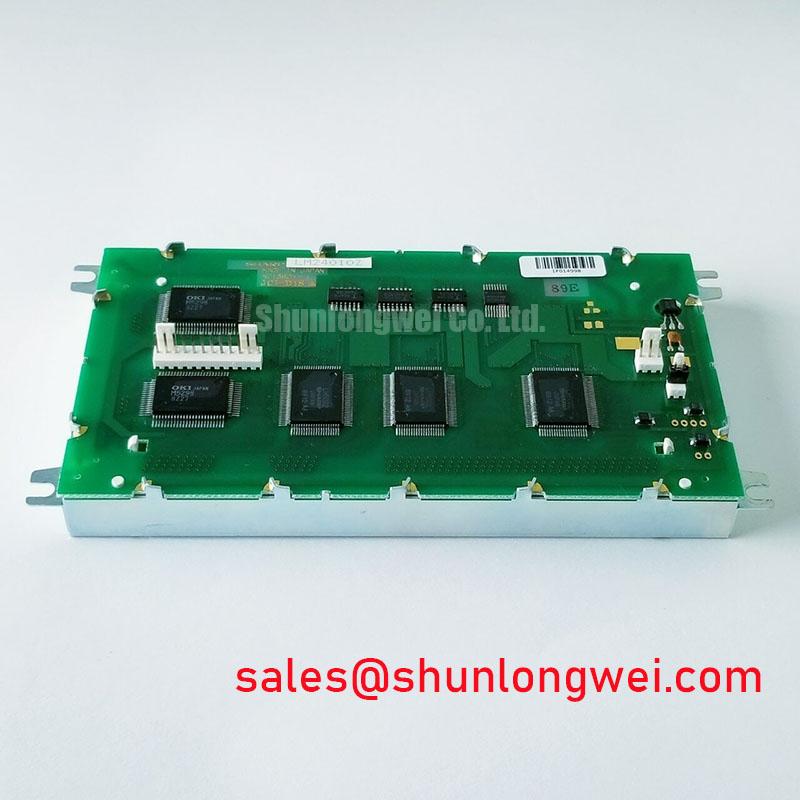
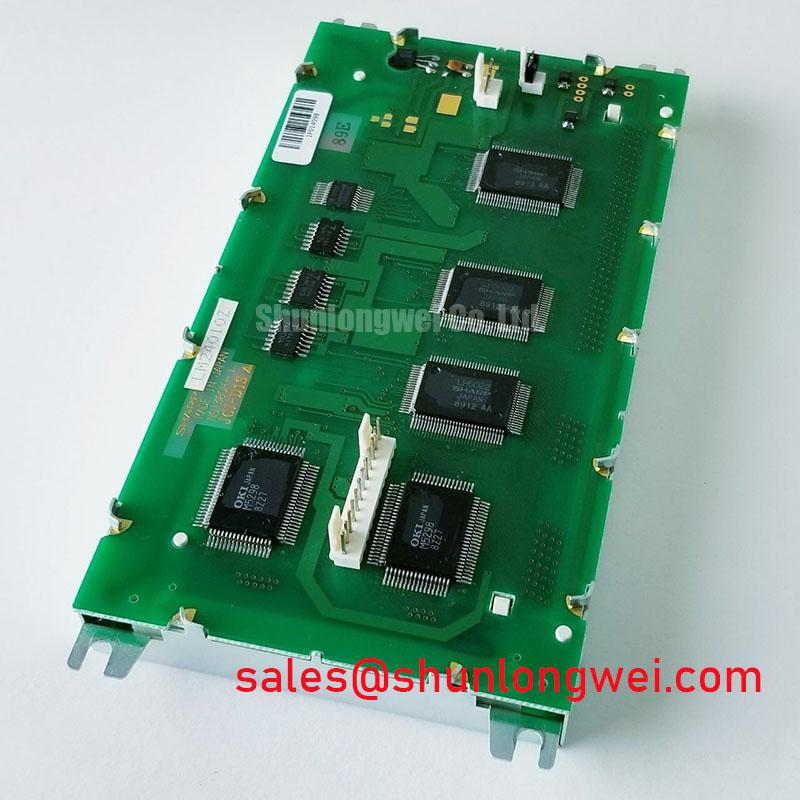
A second critical feature is the integration of the display controller IC within the module. This architecture significantly simplifies the design process for engineers. The module presents a standard 8-bit parallel data bus compatible with industry-standard microcontrollers (like the 6800 and 8080 families), managed by a minimal set of control signals. By handling the low-level tasks of pixel driving and timing on-chip, the LM24010Z frees up the host processor’s resources and reduces the need for external timing generator circuits, which is a key consideration in developing efficient smart factory HMI systems. This level of integration accelerates development time and simplifies PCB layout.
Optimized Application Scenarios
The technical characteristics of the LM24010Z make it a suitable choice for a range of specific applications:
- Industrial Control Panels: The robust FSTN display provides high-contrast, unambiguous readouts, essential for monitoring processes and status information in factory environments.
- Handheld Test and Measurement Instruments: Its transreflective nature ensures the screen is equally readable in a dark server room or outdoors in bright sunlight, a key requirement for portable devices.
- Medical Monitoring Equipment: The clear, monochrome output is ideal for displaying vital signs and other critical patient data where legibility is paramount.
- Legacy System Sustainment: As a mature technology, it serves as a reliable component for repairing or maintaining long-life industrial equipment that was originally designed with this type of display.
This module is a strong match for embedded systems requiring a robust, high-contrast monochrome display with a straightforward parallel interface.
Key Specifications of the LM24010Z
| Electrical & Optical Characteristics (Ta = 25°C, VDD = 5V) | |
|---|---|
| Parameter | Specification |
| Display Format | 240 x 128 Dots |
| Viewing Area | 107.95(W) × 57.55(H) mm |
| Dot Size | 0.40(W) × 0.40(H) mm |
| Supply Current (IDD) | 9.0 mA (Typ) |
| Contrast Ratio (CR) | 7 (Typ) |
| Response Time (Tr + Tf) | 330 ms (Typ) |
| Absolute Maximum Ratings | |
| Supply Voltage (Logic) | -0.3 to +7.0 V |
| Operating Temperature | 0 to +50 °C |
| Storage Temperature | -25 to +60 °C |
Engineer’s Frequently Asked Questions (FAQ)
1. What is the interface protocol for the LM24010Z?
The LM24010Z utilizes a standard 8-bit parallel interface. It is compatible with both 6800-series and 8080-series microcontrollers, selectable via a dedicated pin. Key control signals include Chip Select (CS), Register Select (RS), Read/Write (R/W), and an Enable signal (E), making it straightforward to connect to most 8-bit or 16-bit MCUs.
2. What are the power supply requirements for the LM24010Z, including its EL backlight?
The module’s logic circuits require a single +5V DC supply. A separate negative voltage for the LCD drive (VEE) is generated internally but its contrast is adjusted via an external potentiometer. Critically, the electroluminescent (EL) backlight requires a high-voltage AC source, which must be supplied by an external EL inverter circuit.
3. How is display contrast adjusted on the LM24010Z?
Contrast is controlled by adjusting the LCD driving voltage (VEE). The datasheet specifies connecting a 10k to 20k ohm variable resistor between the VDD (+5V) and VSS (GND) pins, with the wiper connected to the V0 pin. Adjusting this resistor changes the voltage at V0, directly setting the contrast level of the display.
4. What does “transflective” mean for this display’s real-world performance?
Transflective technology combines the best attributes of reflective and transmissive displays. It means the LM24010Z can reflect ambient light to create a clear image in bright environments (like outdoors), eliminating washout. In dark conditions, it allows its internal backlight to shine through the pixels, ensuring the display remains perfectly readable.
Enabling Clear and Reliable System Interfaces
The LM24010Z provides a durable and functionally direct display solution. Its design empowers engineers to create user interfaces that maintain high clarity and performance across a wide spectrum of operating environments. The combination of a highly readable FSTN panel and a simplified parallel interface makes it a valuable component for systems where reliability and straightforward integration are primary design goals. For more insights into display technologies, explore our resources on LCD core technology.