Sharp LQ12S56: The Reliable SVGA Display for Industrial Longevity
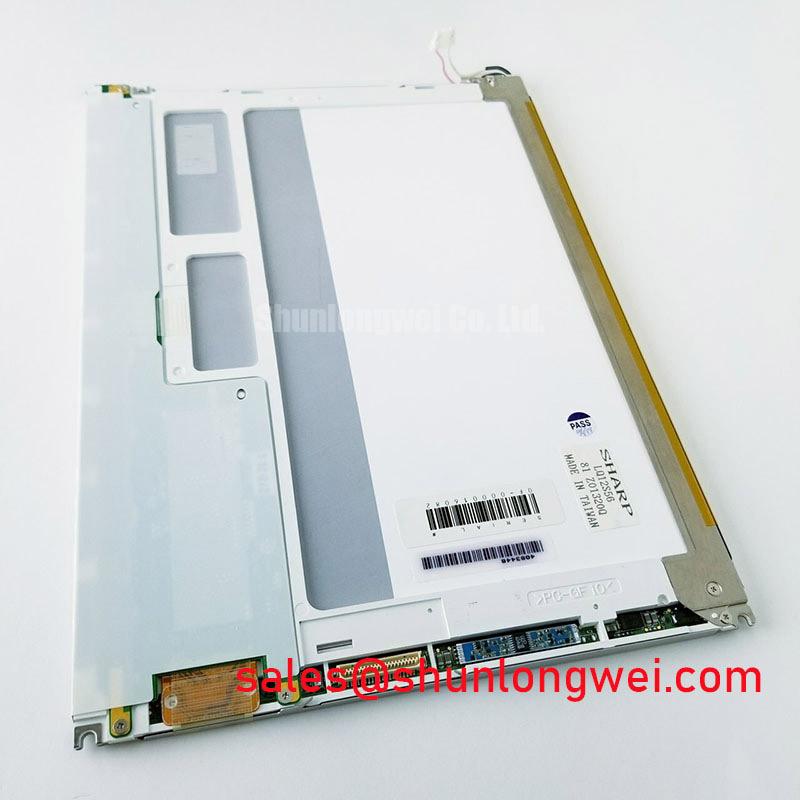
Sharp LQ12S56 12.1-inch SVGA Color TFT-LCD Module
Introduction and Core Highlights
The Sharp LQ12S56 is a color active matrix TFT-LCD module engineered for consistent performance in industrial applications. Its unique value is rooted in its proven reliability and standard SVGA format, making it a key component for the maintenance and operational longevity of legacy Human-Machine Interface (HMI) systems and instrumentation. This display provides a stable, long-term solution for systems that require sustained component availability.
- Core Specifications: 12.1-inch Diagonal | 800×600 SVGA | 300:1 Contrast Ratio
- Key Advantages: Standardized interface for simplified system integration, and a field-replaceable CCFL backlight assembly.
- Primary Use Case: Ideal as a direct replacement part in existing industrial machinery, extending the service life of capital equipment.
Download Official Datasheet (PDF)


Technical Analysis for System Integration
The LQ12S56 is built on amorphous silicon (a-Si) TFT technology, a mature process known for its stability in industrial environments. Its 800 x 600 pixel SVGA resolution remains a widely adopted standard for industrial control panels, ensuring backward compatibility with a vast range of existing software and controller hardware. This eliminates the need for costly system redesigns or software re-validation when replacing a failed display in a qualified system. The module’s digital RGB 6-bit interface is straightforward, allowing for direct connection to legacy frame buffer electronics without complex signal conversion.
A critical feature for long-term maintenance is the display’s single CCFL edge-lit backlight system. The entire lamp holder unit is designed to be replaceable, which directly addresses the most common failure mode in older LCDs—backlight dimming. Think of the backlight’s specified 50,000-hour half-life as a predictable service interval for a car; it allows for scheduled maintenance rather than unexpected, critical downtime. This serviceability is a significant factor in managing the total cost of ownership for industrial equipment. For more on extending display life, review our guide on the proactive management of industrial LCD backlight lifespan.
Optimized Application Scenarios
The technical specifications of the LQ12S56 make it an optimal match for specific industrial and specialized use cases:
- Industrial HMI Panels: The SVGA resolution is perfectly suited for displaying SCADA interfaces, process flow diagrams, and machine status information without requiring high-definition detail.
- Test & Measurement Equipment: Its 300:1 contrast ratio provides clear differentiation for displaying waveforms, numerical readouts, and graphical data in lab or production floor environments.
- Legacy Medical Devices: The display’s proven design and stable performance are suitable for patient monitoring or diagnostic equipment where recertification of new components is prohibitive.
- Point-of-Sale (POS) Terminals: Offers a reliable and cost-effective display solution for operator interfaces in retail environments.
The module’s standard format and replaceable backlight make it a first-choice component for sustaining and repairing long-life industrial and medical equipment.
Key Specification Parameters of the LQ12S56
| Display Characteristics | |
|---|---|
| Part Number | LQ12S56 |
| Technology | a-Si TFT Active Matrix |
| Resolution | 800 x 600 (SVGA) |
| Active Area | 246.0 (H) x 184.5 (V) mm |
| Optical Characteristics | |
| Luminance (typ.) | 250 cd/m² |
| Contrast Ratio (typ.) | 300:1 |
| Viewing Angle (typ.) | Horizontal: 80°, Vertical: 50° |
| Response Time (typ.) | 50 ms |
| Electrical & Environmental | |
| Signal Interface | 6-bit Digital RGB (TTL) |
| Supply Voltage (Logic) | +3.3V |
| Operating Temperature | 0°C to +50°C |
| Storage Temperature | -25°C to +60°C |
Engineer FAQ
- Is the LQ12S56 a suitable drop-in replacement for other 12.1″ SVGA displays?
- In many cases, yes. Its 800×600 resolution, standard 12.1-inch diagonal size, and physical dimensions make it a strong candidate for replacing similar panels. However, engineers must verify the signal interface pinout, connector type, and backlight inverter specifications against the existing system’s requirements to ensure full compatibility.
- What are the main considerations for the CCFL backlight system?
- The CCFL backlight requires a separate high-voltage inverter, which is not integrated into the display module itself. When servicing or integrating the LQ12S56, ensure the inverter provides the correct starting voltage and operating current as specified in the datasheet. Always handle backlight connectors with care, as they carry high voltage.
- How does the 0°C to +50°C operating temperature range impact its applications?
- This temperature range is suitable for indoor, controlled environments such as factory floors, control rooms, laboratories, and medical facilities. It is not specified for outdoor use or in applications subject to extreme cold or direct solar loading without appropriate thermal management and enclosure design. Learn more about the challenges of industrial LCD manufacturing.
- What is the typical lifespan of the backlight?
- The datasheet specifies a typical backlight lifetime of 50,000 hours to half-brightness. This provides a long operational window and, combined with the lamp’s replaceability, supports a planned maintenance strategy for systems requiring high uptime.
Enabling System Longevity
The LQ12S56 delivers a stable and predictable visual interface based on widely supported industrial standards. Its design prioritizes serviceability and backward compatibility, providing engineers with a reliable component to extend the functional life of essential equipment and control systems. This focus on maintainability directly supports operational continuity.