Ampire AM-1024768T2TMQW-00H: A High-Brightness Display for Demanding Industrial Applications
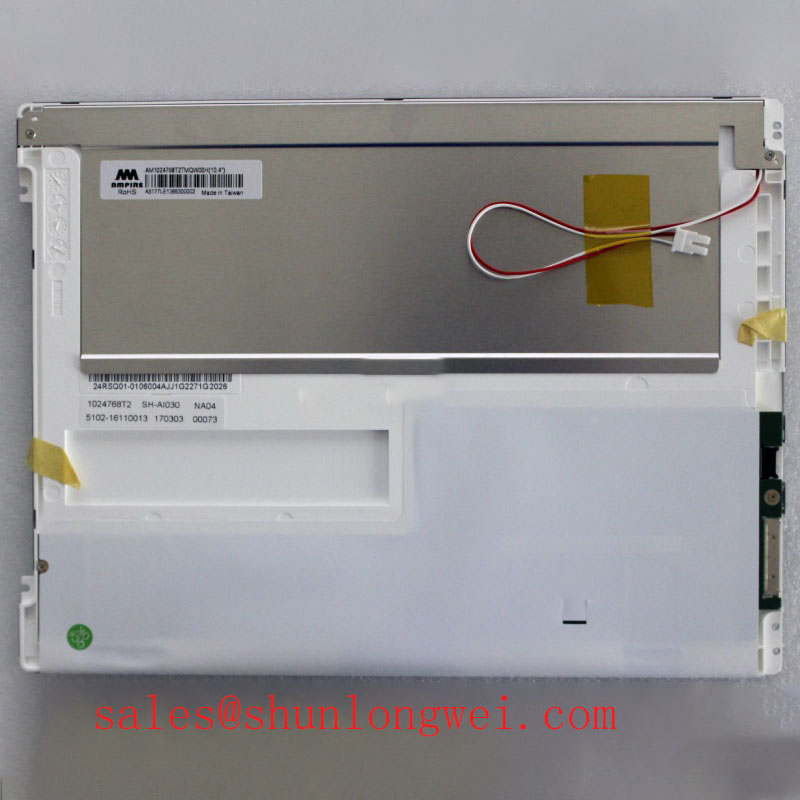
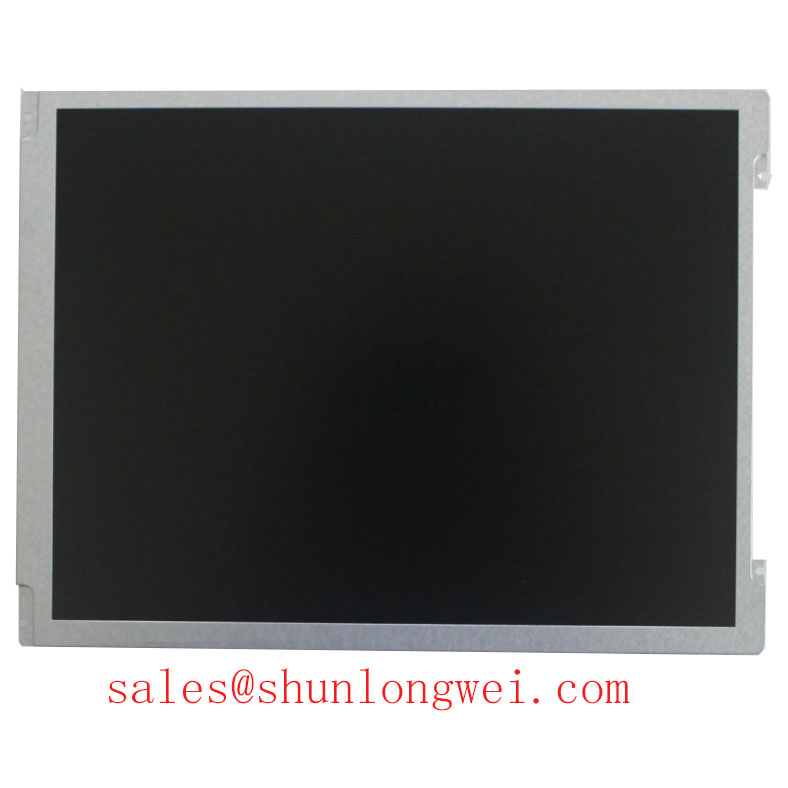
Ampire AM-1024768T2TMQW-00H 10.4″ XGA TFT-LCD Module
High-Brightness Industrial Display for Demanding Visuals
The Ampire AM-1024768T2TMQW-00H is a 10.4-inch a-Si TFT-LCD module engineered for applications requiring high visibility and consistent performance. Its primary value proposition lies in the combination of high brightness and a robust operational temperature range, making it a strong candidate for industrial human-machine interfaces (HMIs), especially in variable lighting conditions. This display delivers clear, saturated images, addressing the need for reliable readability in environments where standard displays may fall short.
- Core Specifications: 10.4″ Diagonal | 1024×768 XGA Resolution | 1000 cd/m² Brightness
- Key Advantages: Exceptional luminance for outdoor or high ambient light environments. Wide operating temperature range supports deployment in non-climate-controlled settings.
- Application Focus: Delivers the optical performance necessary for outdoor kiosks, marine chart plotters, and industrial control panels.
Download Official Datasheet (PDF)
Technical Analysis for System Integration
The standout feature of the AM-1024768T2TMQW-00H is its 1000 cd/m² (or nit) typical luminance. This high brightness is crucial for maintaining image clarity in applications exposed to direct or indirect sunlight. Think of screen brightness like the volume of a speaker in a noisy room; a higher value ensures the intended information cuts through the “noise” of ambient light, preventing data from being washed out. This capability is further supported by a 900:1 contrast ratio, which defines the difference between the brightest white and darkest black, ensuring sharp definition of text and graphical elements.
Functioning across an operating temperature range of -20°C to 70°C, this module is built for resilience. This specification allows for integration into systems that are deployed outdoors or in industrial facilities without stringent environmental controls. The white LED backlight system is specified for a 50,000-hour lifetime, providing a foundation for long-term, low-maintenance operation. Engineers can find more details on proactive management of industrial LCD backlight lifespan to maximize system longevity.
Optimized Application Scenarios
This display’s specifications are well-aligned with several demanding industrial and commercial uses:
- Outdoor Kiosks & Digital Signage: The 1000-nit brightness ensures that content remains readable for users even in bright daylight.
- Marine Electronics: On a boat’s bridge, where sunlight is intense and variable, this display provides pilots and captains with clear views of navigation charts and instrument data.
- Industrial Control Panels: In factories or processing plants, its wide operating temperature and anti-glare surface allow operators to monitor processes reliably, regardless of harsh indoor lighting or temperature fluctuations.
- Automotive & Transportation: Suitable for specialty vehicle dashboards or information systems where environmental conditions are not always controlled and clear visibility is paramount.
Its combination of high luminance, robust temperature range, and standard LVDS interface makes this model a premier choice for visually demanding industrial applications.
Key Specifications of the AM-1024768T2TMQW-00H
| Optical & Electrical Characteristics | |
|---|---|
| Panel Size | 10.4 inch |
| Resolution | 1024(RGB)×768, XGA |
| Luminance | 1000 cd/m² (Typ.) |
| Contrast Ratio | 900:1 (Typ.) |
| Viewing Angle | 75/75/75/75 (Typ.)(CR≥10) |
| Display Mode | TN, Normally White, Transmissive |
| Signal Interface | LVDS (1 ch, 6/8-bit), 20 pins Connector |
| Input Voltage | 3.3V (Typ.) |
| Backlight | WLED, 50K hours, without LED Driver |
| Mechanical & Environmental Ratings | |
| Outline Dimensions | 236.0(W) × 176.9(H) × 5.7(D) mm |
| Active Area | 211.2(W) × 158.4(H) mm |
| Surface Treatment | Antiglare |
| Operating Temperature | -20 ~ 70 °C |
| Storage Temperature | -30 ~ 80 °C |
Engineer’s Frequently Asked Questions
1. Is the AM-1024768T2TMQW-00H suitable for a sunlight-readable HMI?
Yes. Its typical luminance of 1000 cd/m² is a key specification for sunlight readability. This high brightness level helps to overcome the washout effect caused by high ambient light, making it an excellent choice for outdoor HMIs or applications near large windows. For more on this topic, see our guide to essential HMI specifications.
2. Does this display module include a built-in LED driver?
No, the datasheet confirms the WLED backlight unit is supplied without an LED driver. System designers must incorporate a separate, external LED driver board to power and control the backlight. This approach offers flexibility in driver selection based on specific dimming requirements or other system constraints.
3. What is the significance of the TN (Twisted Nematic) display mode?
TN is a mature and cost-effective LCD technology known for fast response times, which is beneficial for reducing motion blur. While technologies like IPS offer wider viewing angles, this module’s specified 75/75/75/75 viewing angles are substantial and suitable for most industrial operator-facing applications. Read more about the nuances of LCD core technology.
4. How should an engineer approach thermal design given the -20 to 70°C operating range?
The wide operating range provides significant design latitude. However, engineers should ensure the system enclosure allows for adequate heat dissipation, especially when operating at the upper temperature limit and maximum brightness, as the backlight is a primary source of heat. Implementing proper ventilation or a heat sink connected to the display’s metal chassis can ensure the component stays within its specified limits. This is a critical aspect of thermal management for display reliability.
Enabling Clear Visuals in Tough Environments
The Ampire AM-1024768T2TMQW-00H provides a durable and high-performance display solution. It directly addresses the engineering challenge of ensuring clear data visibility in applications with fluctuating temperatures and high ambient light. By integrating this module, designers can create systems with reliable, long-life visual interfaces that perform consistently across a range of demanding industrial scenarios.