EL640.400-C2 FRA: A Technical Review of a High-Reliability TFEL Display
EL640.400-C2 FRA | Rugged 640×400 TFEL Industrial Display
High-Performance Electroluminescent Display for Demanding Environments
The EL640.400-C2 FRA is a high-resolution Thin Film Electroluminescent (TFEL) display module engineered for exceptional performance where conventional displays falter. Its primary value lies in its solid-state construction, delivering unwavering visual clarity and reliability across extreme temperatures and in high-shock environments. This display maintains consistent performance, ensuring data legibility for critical system operations.
- Core Specifications: 640 x 400 Resolution | < 1 ms Response Time | -25°C to +65°C Operating Temperature
- Key Advantages: Eliminates motion blur for rapidly changing data. Provides consistent, reliable operation in extreme cold and high-vibration settings.
This design is particularly suited for systems where display failure is not an option and environmental conditions are unpredictable. Download the Official Datasheet (PDF)
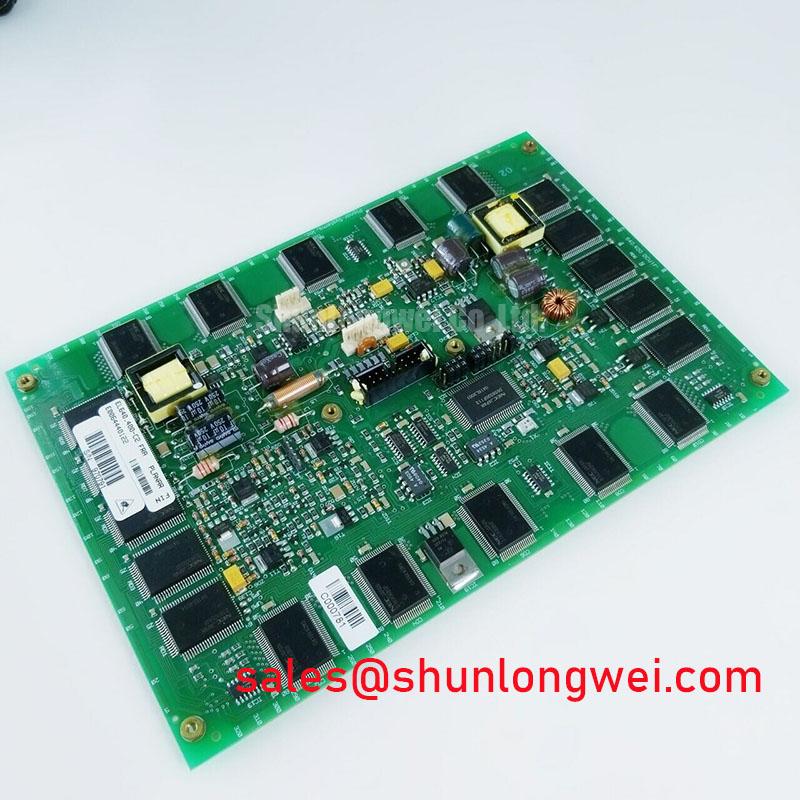
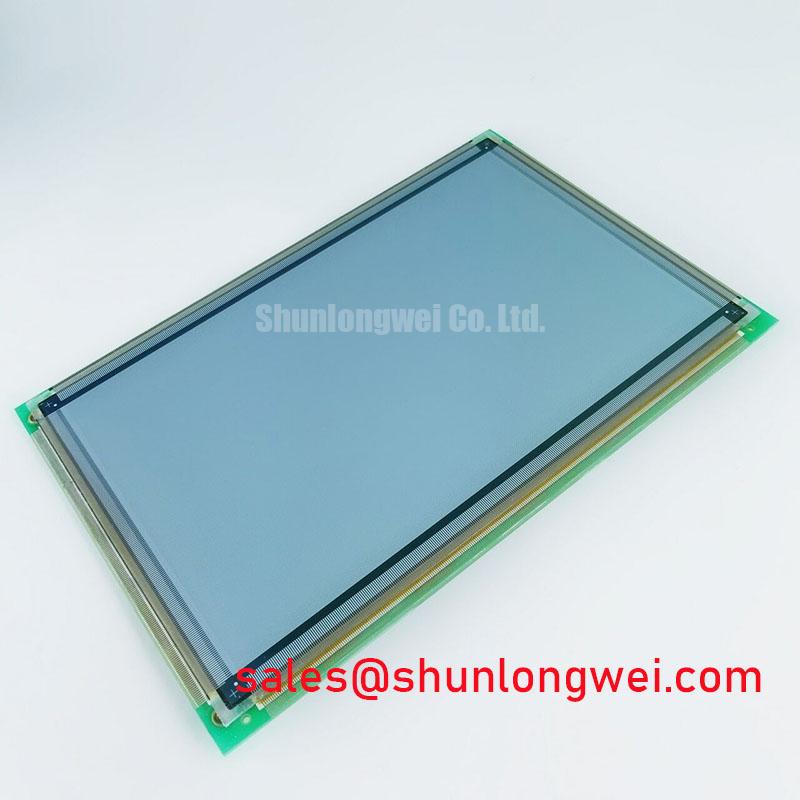
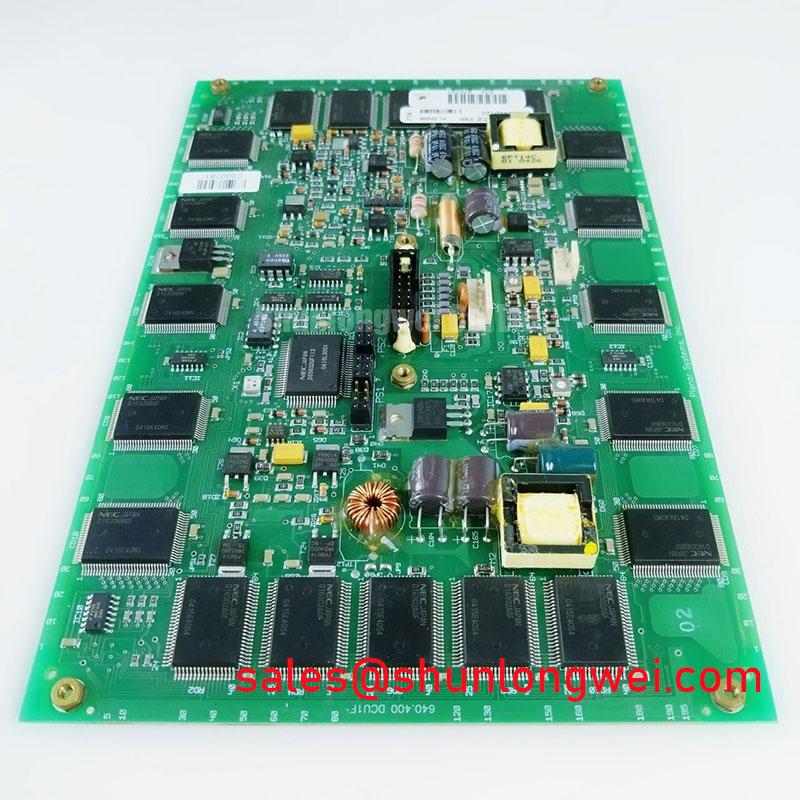
Technical Analysis of the EL640.400-C2 FRA
The engineering value of the EL640.400-C2 FRA is rooted in its emissive TFEL technology. Unlike liquid crystal displays that require a backlight and can suffer from freezing or slow response in the cold, this display is solid-state. This construction makes it inherently resistant to mechanical shock and vibration, a critical attribute for mobile or heavy-duty industrial equipment. The absence of liquid components ensures operational integrity in applications prone to physical stress.
A standout feature documented in the datasheet is the sub-1-millisecond pixel response time, which is maintained across the entire -25°C to +65°C operating temperature range. This can be compared to the flow of data; in a standard LCD at low temperatures, this flow becomes sluggish, like honey in winter, causing ghosting and blurring. With the EL640.400-C2 FRA, the data flow is consistently instantaneous, ensuring that critical, fast-moving information, such as medical waveforms or measurement readouts, is displayed without distortion or lag.
Furthermore, the display provides a viewing cone of over 160 degrees without contrast or brightness degradation. This is a direct benefit of its emissive pixel structure, where each pixel generates its own light. This feature is vital in environments where multiple operators need to view a screen from different positions, such as in a control room or on a vehicle dashboard, guaranteeing that all viewers see the exact same clear, high-contrast image. For a deeper understanding of display technologies, explore the differences in industrial display substrates.
Optimized Application Scenarios
The specific characteristics of the EL640.400-C2 FRA make it a strong candidate for several specialized fields:
- Medical Instrumentation: The <1 ms response time ensures that vital signs and diagnostic imaging are displayed with absolute clarity and no motion artifacts.
- Avionics and Marine Systems: Its robust build and high contrast are well-suited for cockpits and bridges, where readability in varying light conditions and resistance to vibration are paramount.
- Industrial Control Panels: The wide operating temperature range allows for installation in unconditioned environments, from refrigerated facilities to hot factory floors.
- Test and Measurement Equipment: Delivers the speed and precision required for displaying rapidly changing data from scientific and diagnostic instruments.
This display is the optimal choice for systems requiring instant visual response and unwavering reliability in harsh thermal and mechanical conditions.
Key Specifications of the EL640.400-C2 FRA
| Performance & Optical Characteristics | |
|---|---|
| Resolution | 640 x 400 pixels |
| Luminance (Typical) | 55 cd/m² @ 70 Hz |
| Contrast Ratio (Typical, Dark Ambient) | 100:1 |
| Response Time | < 1 ms |
| Viewing Angle | > 160° |
| Electrical & Power | |
| Logic Supply Voltage (Vcc1) | +5 VDC |
| High Voltage Input (Vcc2) | +11 to +30 VDC |
| Power Consumption (Typical) | 11 W @ 70 Hz |
| Environmental & Mechanical | |
| Operating Temperature | -25°C to +65°C |
| Storage Temperature | -40°C to +75°C |
| Dimensions (with FRA frame) | 228.5 x 158.5 x 22 mm |
| Weight (Typical) | 400 g |
Engineer’s FAQ
What makes the EL640.400-C2 FRA a superior choice for low-temperature environments?
Its solid-state TFEL technology does not use liquid crystals, which can freeze or become extremely slow to respond at low temperatures. This display maintains its sub-1ms response time and high contrast even at -25°C, ensuring reliable performance where LCDs would fail. Learn more about engineering for shock and vibration resistance.
What are the main power supply requirements for integrating this display?
The EL640.400-C2 FRA requires two separate DC inputs. A regulated +5V supply is needed for the logic circuits, while a wider-range input of +11V to +30V is required for the integrated DC/DC converter, which generates the high voltages needed to illuminate the EL panel.
How does the interface of this module differ from a standard VGA or LVDS connection?
This display uses a 4-bit digital interface, often referred to as an “LCD-type” interface. It requires signals such as data lines (D0-D3), pixel clock (C), line sync (L), and frame sync (F). This is a more direct interface common in industrial and embedded systems, differing from the analog RGBHV signals of VGA or the serialized differential pairs of LVDS.
Can this display be used in environments with high ambient light?
While TFEL displays offer excellent contrast in low to moderate light, their emissive nature means they can be challenging to read in direct, bright sunlight. For such applications, careful system design, including shielding or optical filtering, may be necessary. For more on this topic, consider reading about achieving sunlight readability in displays.
Enabling System Reliability
For engineers developing systems that must perform without fail in challenging conditions, the EL640.400-C2 FRA provides a robust foundation. Its core TFEL technology directly addresses the common failure points of standard displays—temperature sensitivity, motion blur, and mechanical fragility—allowing for the design of more resilient and reliable end products.