LG LC260W01-A5K6: S-IPS Technology for Critical Wide-Angle Applications
LG Display LC260W01-A5K6: 26-inch S-IPS WXGA LCD Module
Superior Off-Axis Visuals for Critical Applications
The LG Display LC260W01-A5K6 is a 26.0-inch a-Si TFT-LCD module engineered for applications where color accuracy and wide viewing angles are non-negotiable. Its core value derives from the implementation of Super In-Plane Switching (S-IPS) technology, which delivers consistent, high-fidelity images even from significant off-axis positions. This technical attribute is crucial for systems that require multi-viewer accuracy or have variable operator positions.
- Core Specifications: 26.0-inch Diagonal | 1366×768 (WXGA) | 500:1 Contrast Ratio.
- Key Advantages: Exceptional viewing angles (88°/88°/88°/88°) minimize color shift. A CCFL backlight with a 50k-hour lifespan provides long-term operational stability.
- User Intent Match: For engineers questioning viewing angle performance, the S-IPS technology ensures that data presented on screen is interpreted uniformly, irrespective of the viewing point.
For detailed electrical and optical parameters, refer to the official manufacturer datasheet. The information presented here is for component identification and evaluation.
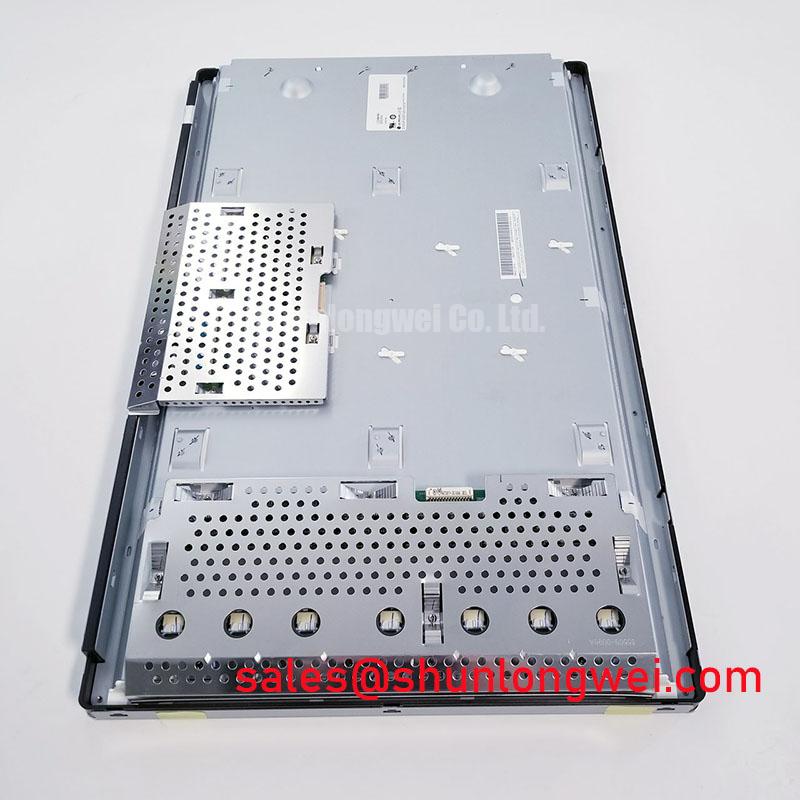


Technical Analysis: The Engineering Value of S-IPS Technology
The standout characteristic of the LC260W01-A5K6 is its Super-IPS (In-Plane Switching) display mode. Unlike conventional TN panels that exhibit significant color and contrast distortion when viewed from the side, S-IPS technology maintains color integrity across extremely wide viewing cones—typically 88 degrees in all directions (up, down, left, right). Think of viewing angle like the beam of a flashlight; with a narrow beam (TN panel), you only get a clear picture in the center. S-IPS provides a wide, even floodlight, ensuring everyone in the room sees the same accurate image. This is paramount in collaborative environments such as medical review stations or industrial control rooms.
The panel’s native 1366×768 (WXGA) resolution on a large 26-inch active area provides a pixel pitch suitable for clearly legible text and detailed graphics without excessive scaling. Combined with its 8-bit color depth, the display can render 16.7 million distinct colors, enabling smooth gradients and the accurate representation required for complex user interfaces and informational displays. The specified 500:1 contrast ratio ensures a clear distinction between light and dark content, which is fundamental for readability in varied ambient lighting conditions.
Optimized Application Scenarios
The specific performance parameters of the LC260W01-A5K6 make it a strong candidate for several professional applications:
- Industrial Human-Machine Interfaces (HMIs): The large screen and robust viewing angles allow multiple operators on a factory floor to monitor processes simultaneously from different positions without misinterpreting data.
- Medical Patient Monitoring: For non-diagnostic review stations and bedside monitoring equipment, the S-IPS panel’s color stability ensures that vital signs and waveforms are displayed accurately, regardless of the clinician’s viewing position.
- Digital Signage and Kiosks: In public venues, the high brightness and wide viewing angles ensure that information is clear and engaging to a broad audience, even from a distance or on the periphery.
- Instrumentation Panels: The WXGA resolution and physical size are well-suited for displaying complex data sets, charts, and schematics in laboratory or test and measurement equipment.
This module is best matched for systems where consistent, off-axis image quality is a critical operational requirement.
Key Specifications of the LC260W01-A5K6
| Parameter | Specification |
|---|---|
| Screen Size | 26.0 inch |
| Resolution | 1366(RGB)×768 [WXGA] |
| Display Mode | S-IPS, Normally Black, Transmissive |
| Viewing Angle | 88/88/88/88 (Typ.)(CR≥10) |
| Brightness | 450 cd/m² (Typ.) |
| Contrast Ratio | 500:1 (Typ.) |
| Response Time | 7.5/8.5 (Typ.)(Tr/Td) ms |
| Backlight | CCFL, 50,000 hours (Min.) with inverter included |
| Signal Interface | LVDS (1 channel, 8-bit) |
| Operating Temperature | 0 ~ 50 °C |
Engineer’s FAQ
1. How does S-IPS technology in the LC260W01-A5K6 improve data accuracy in multi-viewer settings?
S-IPS technology minimizes off-axis gamma and color shift. This means that viewers at different angles see virtually the same colors and brightness levels, ensuring consistent data interpretation in critical environments like control rooms or medical facilities.
2. What are the main integration considerations for a CCFL-backlit display like this?
The LC260W01-A5K6 includes an inverter for its CCFL backlight, which requires a 24V power supply. System design must account for the power consumption of the inverter (typically around 70W) and ensure adequate ventilation to manage the heat generated by the CCFL lamps to maintain the specified 0-50°C operating range.
3. Is the LVDS interface standard?
Yes, it utilizes a standard LVDS (Low-Voltage Differential Signaling) interface with one channel and 8-bit data depth. The physical connector is a 20-pin model, a common configuration for this type of panel, simplifying connection to many standard display controllers.
4. What is the expected operational lifetime of the backlight?
The datasheet specifies a minimum backlight lifetime of 50,000 hours. This extended lifespan is a key reliability metric for systems intended for long-term or continuous operation, contributing to a lower total cost of ownership. For more on managing backlight lifespan, see our guide on the proactive management of industrial LCD backlight lifespan.
Enabling Clarity and Reliability in System Design
The technical specifications of the LC260W01-A5K6 directly support the development of reliable systems where visual performance is a primary concern. By leveraging its S-IPS panel, engineers can deliver a user experience defined by clarity and color consistency, ensuring that the final application performs as intended across a wide range of operational scenarios.