LT121SS-105W1: A Technical Analysis of a Robust Industrial SVGA Display
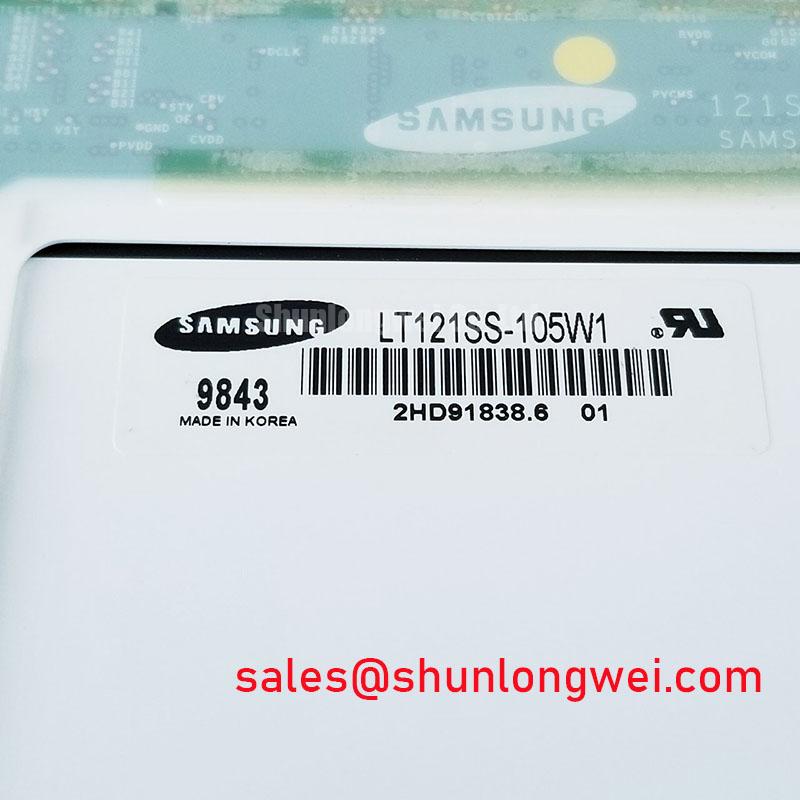
## M1: LT121SS-105W1 12.1″ SVGA Industrial TFT-LCD Module
M2: Introduction & Core Highlights
The Samsung LT121SS-105W1 is a 12.1-inch color TFT-LCD module delivering proven reliability for industrial systems. This display’s unique value stems from its robust a-Si TFT construction and standardized interface, making it an excellent component for new designs and a straightforward drop-in replacement for legacy systems, ensuring long-term serviceability. It provides a stable and reliable visualization platform for critical data and operator interfaces where consistent performance is paramount.
- Core Specifications: 12.1-inch | 800×600 SVGA | LVDS Interface
- Key Advantages: Wide operating temperature range, established 4:3 aspect ratio for seamless equipment upgrades.
- Intent Answered: Its standard mechanical footprint and electrical interface make the LT121SS-105W1 a strong candidate for replacing older 12.1″ industrial displays, minimizing redesign costs.
Download Preliminary Datasheet (PDF)


M3: Technical Analysis
The datasheet for the LT121SS-105W1 reveals engineering choices focused on durability and consistent visual performance in industrial settings. Two key characteristics underscore its suitability for long-service-life equipment: its thermal resilience and stable optical properties.
A critical feature is the specified operating temperature range of -10°C to 70°C. This capability ensures reliable operation in environments without stringent climate control, such as factory floors, warehouses, or enclosed kiosks. Think of this thermal range as the display’s operational envelope; a wider envelope means the component is less likely to fail due to ambient temperature swings, a common issue in industrial applications. This robustness is essential for systems where downtime is not an option.
The display’s optical design provides a functional balance between clarity and power efficiency for its technology generation. It offers a typical luminance of 450 cd/m² and a contrast ratio of 700:1, delivering clear and discernible images for GUIs and data readouts. The amorphous silicon (a-Si) TFT technology is a mature, stable platform known for its reliability over years of operation. While newer technologies exist, the a-Si foundation of the LT121SS-105W1 provides a predictable and proven performance baseline, which is a significant advantage in regulated industries like medical devices or process control.
M4: Optimized Application Scenarios
The specifications of the LT121SS-105W1 make it a well-suited component for applications where reliability and compatibility are the primary selection criteria.
- Industrial HMI (Human-Machine Interface): The 800×600 SVGA resolution is ideal for displaying process control schematics, operational data, and alarms with sufficient clarity without requiring high-end graphics processing.
- Test and Measurement Equipment: Its stable performance and standard LVDS interface allow for straightforward integration into custom test benches and analytical instruments.
- Medical Monitoring Systems: For legacy medical devices, this display provides a form-fit-function replacement option, ensuring the longevity of certified equipment.
- Point-of-Sale (POS) Terminals: The 4:3 aspect ratio and durable construction are well-matched for fixed POS systems that must withstand continuous daily use.
This module is an optimal match for systems requiring a durable SVGA display with a standard interface for straightforward integration or long-term product support.
M5: Key Specifications
| Display Characteristics | |
|---|---|
| Model Name | LT121SS-105W1 |
| Screen Size | 12.1 inches |
| Resolution | 800(RGB) x 600 [SVGA] |
| Display Technology | a-Si TFT-LCD, LCM |
| Active Area | 246(W) x 184.5(H) mm |
| Optical Characteristics | |
| Luminance | 450 cd/m² (Typ.) |
| Contrast Ratio | 700:1 (Typ.) |
| Viewing Angle | 6 o’clock optimum viewing direction |
| Display Colors | 262,144 (6-bit) |
| Electrical & Environmental | |
| Interface Type | LVDS (1 ch, 6-bit) |
| Power Supply Voltage | 3.3V (Typ.) |
| Backlight System | Single CCFL |
| Operating Temperature | -10 ~ 70 °C |
| Storage Temperature | -20 ~ 80 °C |
M6: Engineer’s FAQ
1. Is the LT121SS-105W1 a direct replacement for other 12.1″ SVGA industrial displays?
With its standard 12.1″ 4:3 form factor and LVDS interface, the LT121SS-105W1 is a strong candidate for replacing similar legacy panels. However, engineers must verify mechanical mounting points, connector pinouts, and backlight inverter specifications against the existing system’s datasheet to ensure full compatibility.
2. How does the CCFL backlight impact system design?
The single CCFL backlight requires an external high-voltage inverter to operate, which must be accounted for in the system’s power budget and physical layout. While LED backlights are now common, CCFLs offer stable color performance, and using this display can be a cost-effective solution for systems already equipped with a compatible CCFL driver.
3. What are the key thermal management considerations for this display?
Although rated for operation up to 70°C, ensuring adequate airflow around the unit is important, especially for the backlight inverter, which generates heat. The system enclosure should be designed to prevent heat buildup behind the display to maintain performance and extend the component’s operational life.
4. What does the “6 o’clock” viewing angle mean for HMI orientation?
The 6 o’clock viewing direction indicates that the optimal image contrast is achieved when viewing the screen from slightly below the center. For an HMI panel mounted on a vertical surface, this means the display will have the best clarity for an operator standing and looking slightly down at it.
M7: Concluding Statement
For engineers prioritizing operational consistency and supply chain stability for industrial equipment, the LT121SS-105W1 provides a robust and reliable display foundation. Its proven a-Si TFT technology and wide thermal tolerance deliver the sustained performance required to support the long lifecycle of industrial machinery and control systems.