DMF-50174ZNF-FW-BDN: Technical Review of a 5.7″ Monochrome LCD with Integrated Controller
DMF-50174ZNF-FW-BDN | 5.7″ STN Monochrome Graphic LCD Module
Introduction and Core Highlights
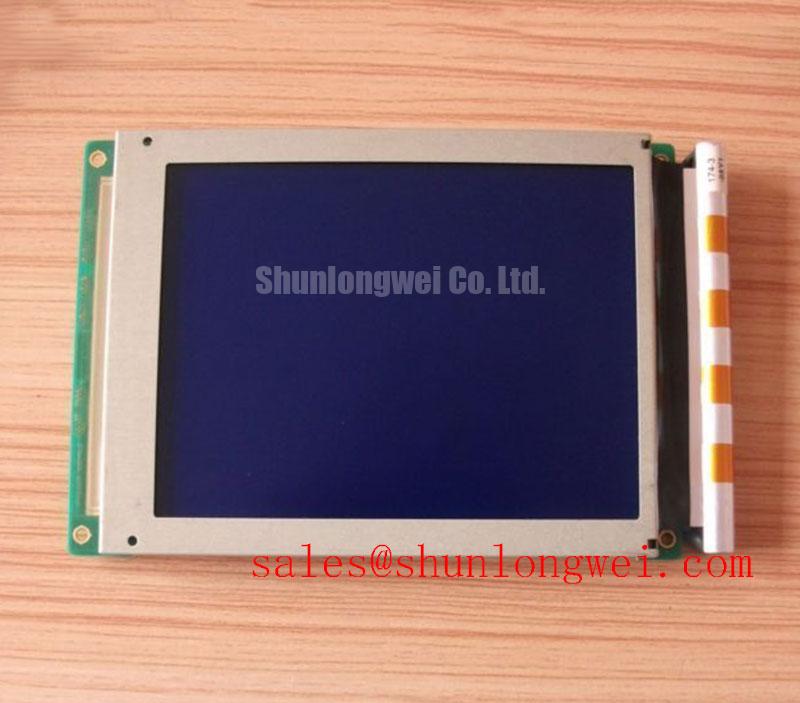
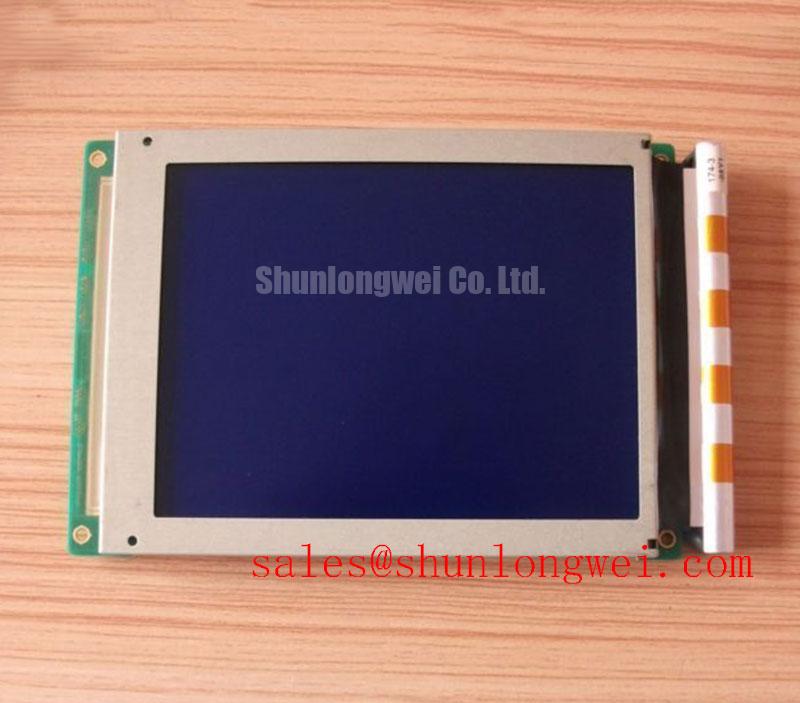
The Optrex DMF-50174ZNF-FW-BDN is a monochrome graphic STN LCD module engineered for high-clarity data visualization in industrial equipment. Its primary value lies in the integration of a T6963C-compatible controller, which significantly simplifies system architecture by managing display memory and graphic functions internally. This allows the host microprocessor to focus on core tasks rather than screen management, accelerating development cycles for human-machine interfaces (HMIs).
- Core Specifications: 5.7-inch Diagonal | 320×240 (QVGA) Resolution | Onboard T6963C Controller
- Key Advantages: Reduces host processor workload, ensures clear readability for static data and UIs.
Download the Official DMF-50174ZNF-FW-BDN Datasheet (PDF)
Technical Analysis: Integrated Controller and Display Technology
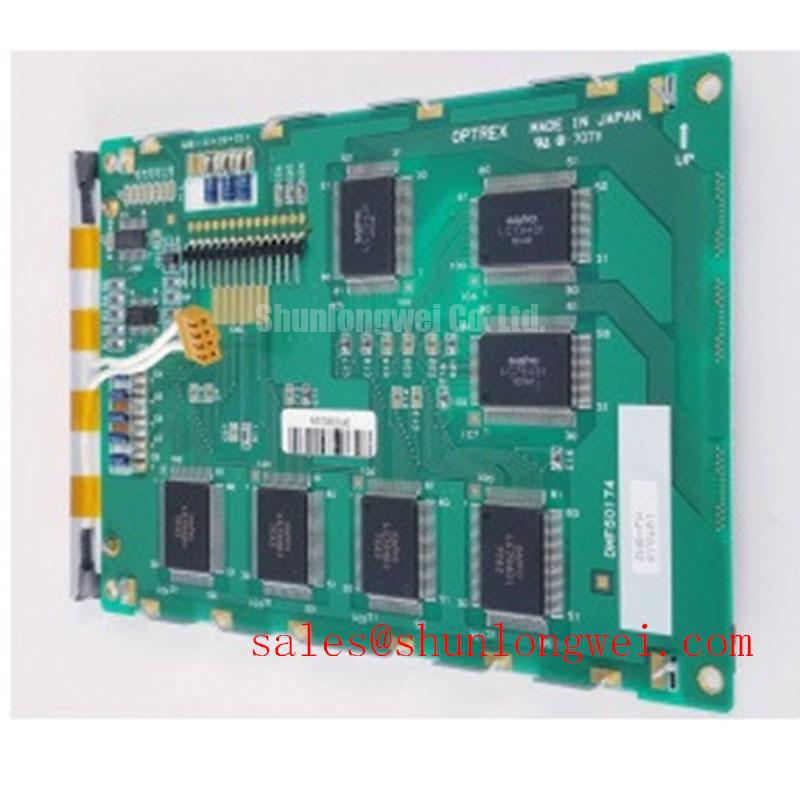
A key engineering benefit of the DMF-50174ZNF-FW-BDN is its onboard display controller. This integrated circuit handles the crucial tasks of pixel management, character generation from a built-in ROM, and execution of graphic drawing commands. For system designers, this architecture transforms a complex display-driving task into a simpler, command-based interface. It minimizes the need for extensive display buffer memory on the host MCU and reduces the software overhead required to render information, a significant advantage in resource-constrained embedded systems. For more on display technologies, explore LCD core technology principles.
The module utilizes F-STN (Film-compensated Super-twisted Nematic) technology to produce its black-and-white image. You can think of the film compensation layer as a pair of precision lenses for the liquid crystal; it corrects optical distortions inherent in standard STN displays. This results in a sharper, higher-contrast image with a more consistent black-and-white appearance across the specified viewing angles. This clarity is essential for applications where operators must be able to read data quickly and without error.
Optimized Application Scenarios
The features of this module make it well-suited for a range of established industrial and commercial applications.
- Industrial Control Panels: The robust design and clear, high-contrast monochrome output are ideal for displaying machine status, process variables, and operator menus. The integrated controller simplifies connection to industrial PLCs and microcontrollers.
- Test and Measurement Equipment: Perfect for instruments like multimeters, signal generators, or power supply readouts where unambiguous numerical and graphical data presentation is critical.
- Medical Instrumentation: Provides a reliable display for patient monitoring devices or diagnostic equipment that require clear, stable readouts of vital information.
- Point-of-Sale (POS) Systems: Offers a cost-effective and durable operator interface for cash registers and credit card terminals, displaying transaction details with high legibility.
This module is an optimal match for systems requiring a robust, processor-efficient monochrome graphic interface with proven field reliability.
Key Specifications of the DMF-50174ZNF-FW-BDN
| Mechanical & Display Specifications | |
|---|---|
| Screen Size | 5.7 inches |
| Resolution | 320 x 240 pixels (QVGA) |
| Display Technology | FSTN-LCD, Black/White (Monochrome) |
| Outline Dimensions | 174(W) x 112(H) x 13.5(D) mm (Max) |
| Active Area | 115.17(W) x 86.37(H) mm |
| Weight | 300g (Max) |
| Optical & Electrical Characteristics | |
| Logic Voltage (VDD) | 5.0V (Typ.) |
| Contrast Ratio | 10:1 (Typ.) |
| Brightness | 50 cd/m² (Typ.) with CCFL backlight |
| Interface | 4-bit Parallel Data |
| Operating Temperature | 0°C to +50°C |
| Storage Temperature | -20°C to +60°C |
Engineer’s FAQ
1. What is the primary advantage of the integrated T6963C controller?
The integrated controller simplifies the hardware and software interface. It directly manages the display RAM and executes high-level commands for drawing text and graphics, freeing the host MCU from low-level pixel manipulation. This reduces development time and lowers the processing requirements of the host system.
2. What are the power supply requirements for the DMF-50174ZNF-FW-BDN?
The module requires a +5.0V supply for logic and a separate high-voltage AC source for the CCFL backlight inverter. The datasheet specifies a typical lamp current of 5.0mA. Proper power sequencing is critical to prevent damage, as detailed in the official documentation.
3. How can display contrast be adjusted?
Contrast is adjusted via the VADJ input pin, which controls the LCD driving voltage (VCC-VADJ). The optimal voltage varies with the ambient temperature. The datasheet provides recommended voltage ranges for 0°C, 25°C, and 50°C to achieve the best contrast in different operating conditions.
4. What is the expected lifespan of the CCFL backlight?
The datasheet specifies a typical average life of 15,000 hours for the CCFL backlight under standard operating conditions (IL=5.0mA). Life is defined as the time until brightness reduces to 50% of its initial value. For insights into managing backlight longevity, see our guide on the proactive management of industrial LCD backlight lifespan.
Enabling Clear and Efficient System Design
For engineers creating systems that require a clear, reliable, and straightforward graphic interface, the DMF-50174ZNF-FW-BDN offers a proven solution. Its architecture, combining an integrated controller with a high-contrast F-STN panel, facilitates the efficient development of effective human-machine interfaces. This component is a functional choice for new designs and a viable candidate for maintaining existing platforms that depend on this established technology. To explore more advanced components, see our resources on power semiconductors.