“`json { “product_name”: “G150XNE-L03”, “manufacturer”: “Innolux”, “description”: “A 15.0-inch a-Si TFT-LCD module engineered for consistent visual performance across a wide range of operating conditions, featuring a broad operating temperature range and superior off-axis readability.”, “features”: [ “15.0-inch XGA (1024×768) resolution”, “Exceptionally wide operating temperature range: -30°C to +80°C”, “Superior off-axis readability with A-HVA technology”, “Symmetrical viewing angles of 88° in all directions (L/R/U/D)”, “High brightness of 500 cd/m² (Typ.)”, “High contrast ratio of 2500:1 (Typ.)”, “Long-life WLED backlight with a minimum lifetime of 50,000 hours”, “Anti-glare surface treatment for readability in high ambient light”, “RoHS compliant” ], “applications”: [ “Industrial HMIs & Control Panels”, “Outdoor Kiosks & Digital Signage”, “Marine & Navigation Systems”, “Medical Diagnostic Equipment” ], “specifications”: { “display_characteristics”: { “panel_size”: “15.0 inch”, “resolution”: “1024(RGB)×768, XGA”, “panel_technology”: “a-Si TFT-LCD, A-HVA, Normally Black”, “brightness”: “500 cd/m² (Typ.)”, “contrast_ratio”: “2500:1 (Typ.)”, “viewing_angle_l_r_u_d”: “88/88/88/88 (Typ.)”, “response_time”: “25 ms (Typ.)”, “surface_treatment”: “Anti-Glare, Hard coating (3H)” }, “interface_and_backlight”: { “signal_interface”: “LVDS (1 ch, 6/8-bit), 20 pins”, “backlight_type”: “WLED”, “backlight_lifetime”: “50,000 hours (Min.)” }, “mechanical_and_environmental”: { “outline_dimensions_mm”: “326.5(W) × 253.5(H) × 9.1(D)”, “active_area_mm”: “304.128(W) × 228.096(H)”, “operating_temperature”: “-30 ~ 80 °C”, “storage_temperature”: “-30 ~ 80 °C” } }, “media”: { “datasheet_url”: “https://d7rh5s3nxmpy4.cloudfront.net/CMP7377/files/G150XNE-L03_Ver2_0_for_Mstar_Tcon-C2.pdf”, “image_urls”: [ “https://www.slw-ele.com/wp-content/uploads/2021/10/20211026_6177d62c91be8.jpg”, “https://www.slw-ele.com/wp-content/uploads/2021/10/20211026_6177d62d4d731.jpg”, “https://www.slw-ele.com/wp-content/uploads/2021/10/20211026_6177d62e19755.jpg” ] } } “`
## G150XNE-L03: 15.0″ XGA Industrial Display with Wide Temp
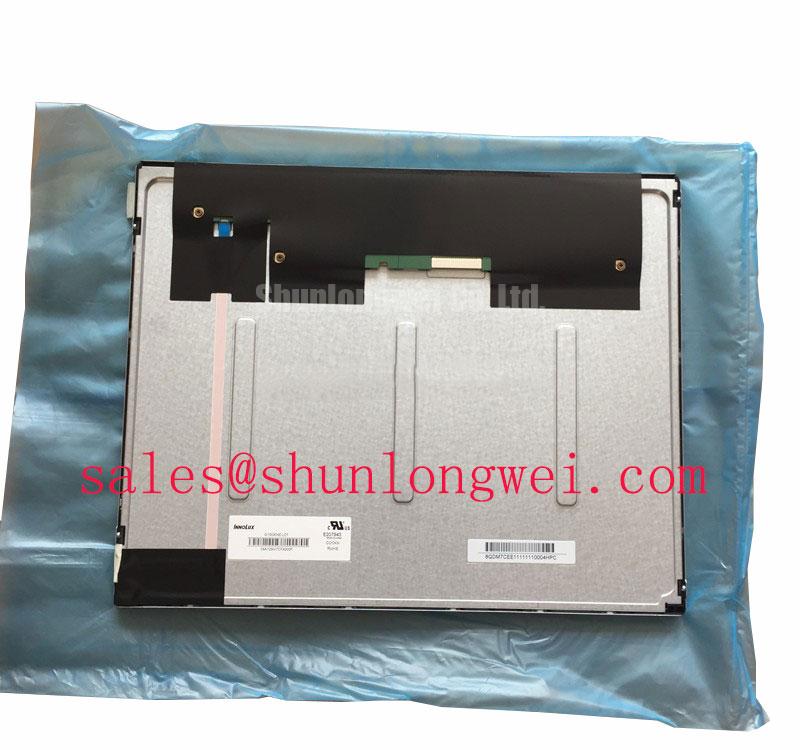
The G150XNE-L03 is a 15.0-inch a-Si TFT-LCD module from Innolux, engineered for consistent visual performance across a wide range of operating conditions. Its defining features are an exceptionally broad operating temperature range and superior off-axis readability, delivered by its advanced pixel architecture. This makes the panel a reliable choice for systems deployed in uncontrolled environments where image clarity from multiple viewing positions is necessary.
* **Core Specifications**: 1024×768 XGA | 500 cd/m² (Typ.) | -30°C to +80°C Operating Temperature.
* **Key Engineering Benefits**: Maintains image integrity in extreme climates; ensures clear visibility for multiple operators.
* **Application Focus**: Ideal for systems where users are not always positioned directly in front of the screen.
Download Official Datasheet (PDF)

Technical Analysis for System Integration
The G150XNE-L03’s primary value for system designers lies in two key areas: its viewing angle consistency and its environmental resilience. The datasheet specifies a viewing angle of 88 degrees in all directions (left, right, up, and down). This is achieved through Innolux’s A-HVA (Advanced Hyper-Viewing Angle) technology, which minimizes color and contrast shift when the screen is viewed off-axis. For an engineer, this is critical for applications like industrial control panels or medical monitoring stations, where multiple people may need to view the display simultaneously from different positions in a room. Think of a standard display’s viewing cone like a flashlight beam—clear only when you are directly in front. The A-HVA technology in the G150XNE-L03 acts more like a lantern, casting a uniformly clear image in all directions, a crucial factor explored in our guide to HMI display specifications.
The module’s second major advantage is its wide operating temperature range of -30°C to +80°C. This specification directly addresses a common failure point for displays in harsh environments. The ability to function reliably at sub-zero temperatures and in high heat without compromising performance or lifetime is essential for equipment installed outdoors or in unheated/uncooled locations like transportation hubs, agricultural vehicles, or remote monitoring sheds. This is complemented by a 500-nit typical brightness and an anti-glare surface treatment, ensuring readability even in challenging ambient light conditions. The WLED backlight system is also rated for a minimum lifetime of 50,000 hours, supporting long-term, low-maintenance deployments.
Optimized Application Scenarios
The specific parameter set of the G150XNE-L03 makes it a strong candidate for several demanding applications:
* **Industrial HMIs & Control Panels**: The wide viewing angles and robust temperature range ensure operators can clearly and accurately read data in dynamic factory environments.
* **Outdoor Kiosks & Digital Signage**: The combination of 500-nit brightness and an anti-glare surface provides excellent readability in high ambient light.
* **Marine & Navigation Systems**: Its ability to withstand extreme temperatures and humidity, as detailed in the datasheet, is critical for bridge control and monitoring systems.
* **Medical Diagnostic Equipment**: The consistent color and contrast across all viewing angles allow multiple healthcare professionals to view patient data without ambiguity.
This module is best matched for industrial applications requiring consistent, multi-angle readability in environments with significant temperature fluctuations.
Key G150XNE-L03 Specifications
| Display Characteristics | |
|---|---|
| Panel Size | 15.0 inch |
| Resolution | 1024(RGB)×768, XGA |
| Panel Technology | a-Si TFT-LCD, A-HVA, Normally Black |
| Brightness | 500 cd/m² (Typ.) |
| Contrast Ratio | 2500:1 (Typ.) |
| Viewing Angle (L/R/U/D) | 88/88/88/88 (Typ.) |
| Response Time | 25 ms (Typ.) |
| Surface Treatment | Anti-Glare, Hard coating (3H) |
| Interface & Backlight | |
| Signal Interface | LVDS (1 ch, 6/8-bit), 20 pins |
| Backlight Type | WLED |
| Backlight Lifetime | 50,000 hours (Min.) |
| Mechanical & Environmental | |
| Outline Dimensions | 326.5(W) × 253.5(H) × 9.1(D) mm |
| Active Area | 304.128(W) × 228.096(H) mm |
| Operating Temperature | -30 ~ 80 °C |
| Storage Temperature | -30 ~ 80 °C |
*All specifications are based on the official G150XNE-L03 datasheet (Ver2.0). For detailed electrical characteristics and interface timing, refer to the document.
Engineer’s FAQ
- What makes the G150XNE-L03 suitable for applications with varying viewing positions?
- The module uses A-HVA technology, providing symmetrical viewing angles of 88 degrees in all directions. This ensures that color and contrast remain consistent even when viewed from significant off-axis angles, which is vital for HMIs and collaborative workspaces.
- What are the thermal design considerations for this display?
- The G150XNE-L03 is specified for operation between -30°C and +80°C. However, the datasheet notes that the panel surface temperature should not exceed 65°C under normal operating conditions. Engineers must ensure adequate airflow or heat sinking in the end-product design to keep the panel surface within this limit, especially when operating at the high end of the ambient temperature range. Understanding thermal management for displays is key.
- How is the backlight controlled?
- The backlight brightness is controlled via a PWM (Pulse Width Modulation) signal on the ‘EN’ pin of the built-in LED driver. The datasheet specifies that for PWM frequencies between 1 kHz and 20 kHz, the duty ratio should be restricted to a range of 20% to 100% to ensure linear brightness control.
- Is the G150XNE-L03 RoHS compliant?
- Yes, the datasheet specifies that this model is RoHS compliant. This is a critical factor for products intended for global markets. You can learn more about different environmental standards in our RoHS vs. Halogen-Free guide.
The combination of wide viewing angles and a broad operational temperature range in the G150XNE-L03 provides engineers with a versatile and robust foundation. It enables the design of reliable human-machine interfaces that deliver consistent optical performance, regardless of environmental extremes or operator position.