SC50VB160-G: A Technical Analysis of a Robust 1600V Three-Phase Rectifier
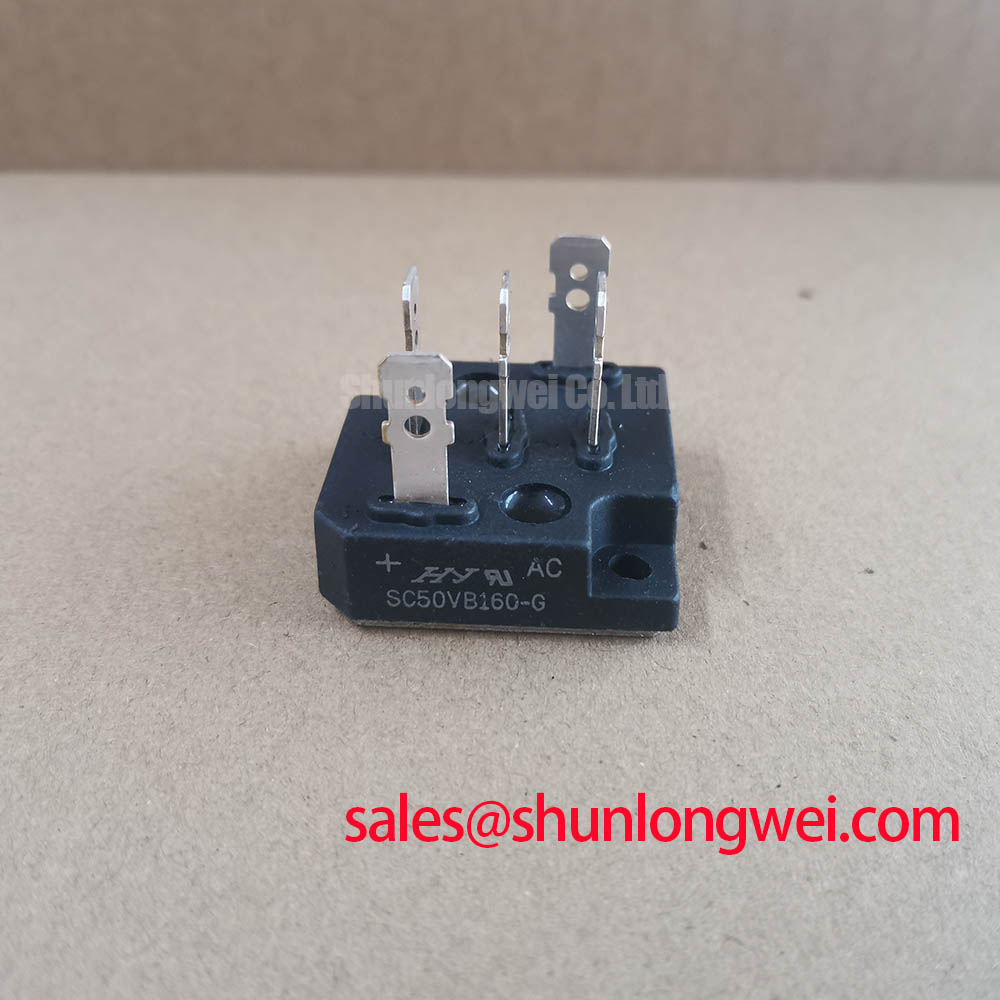
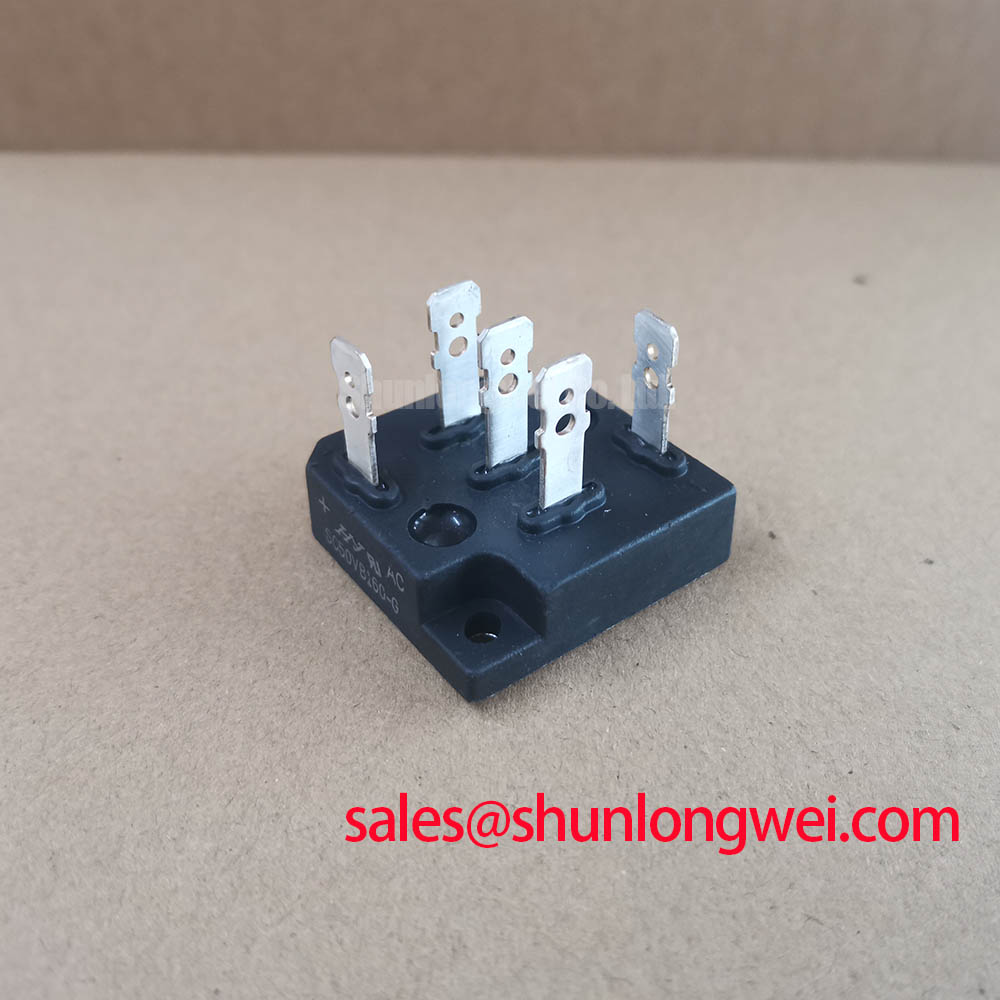
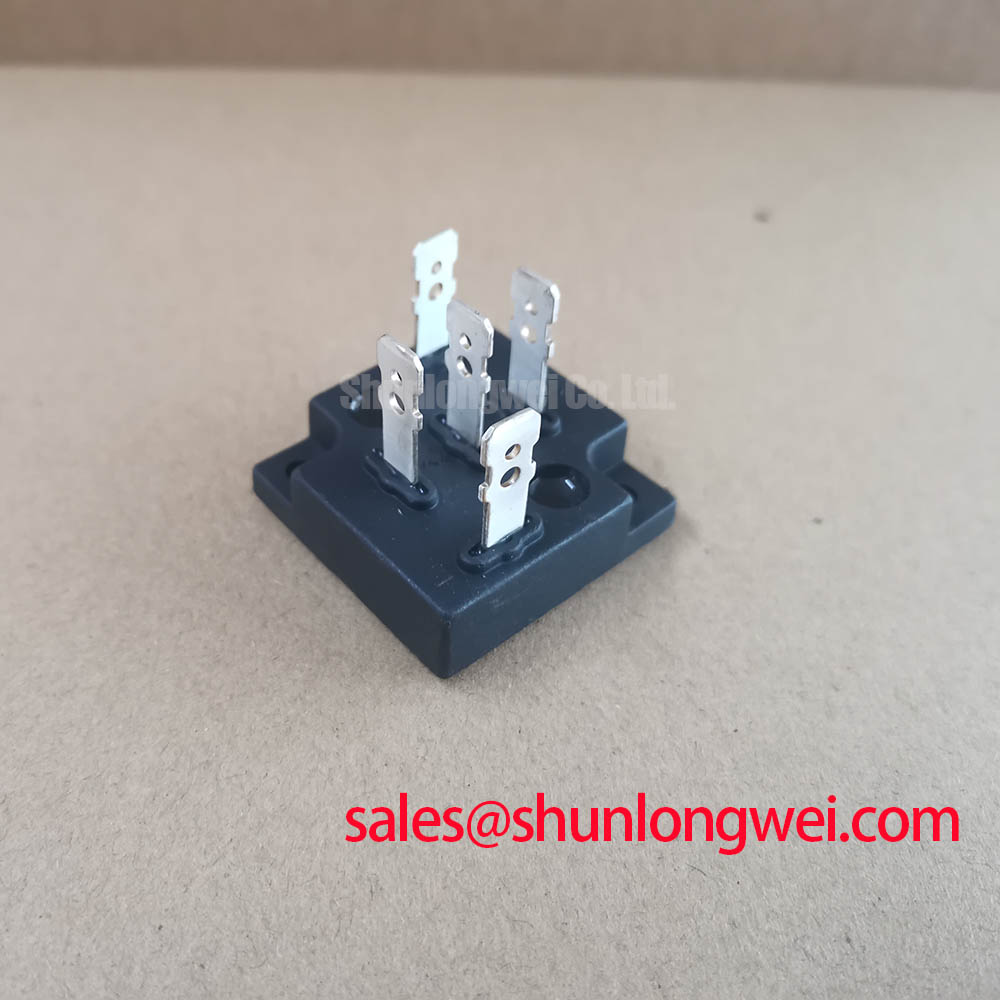
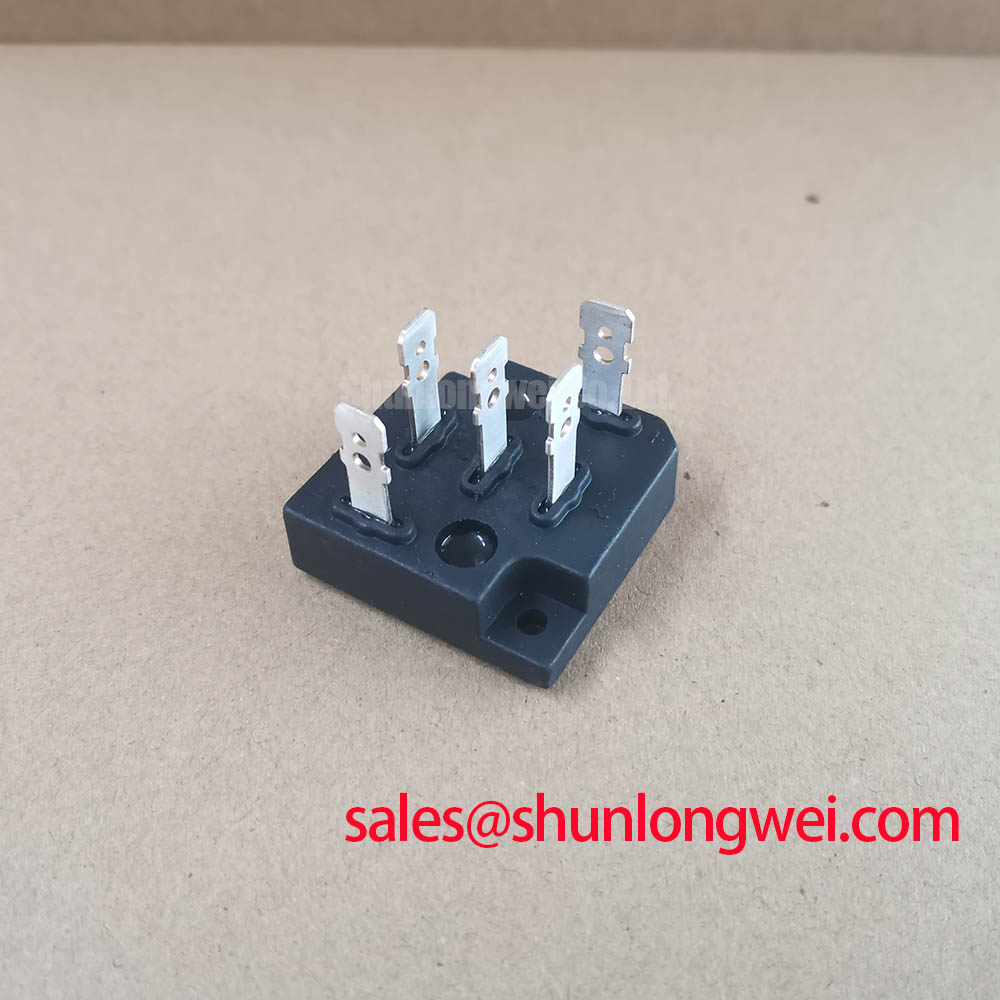
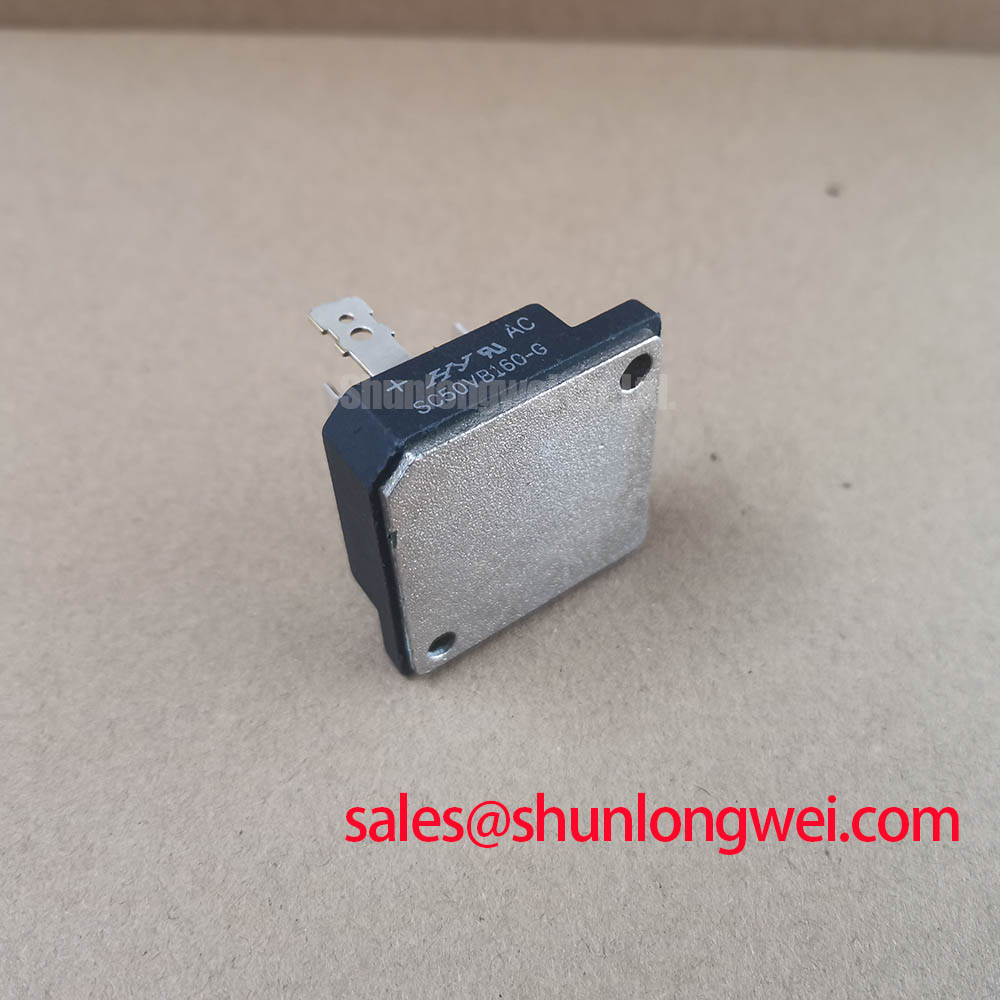
SC50VB160-G 1600V 50A Three-Phase Bridge Rectifier
High-Reliability Rectification with Superior Surge Protection
The SC50VB160-G is a glass-passivated three-phase bridge rectifier that provides a robust solution for high-power AC-to-DC conversion. It combines a high reverse voltage of 1600V with a substantial 50A forward current capability, delivering both performance and a significant safety margin. Its primary engineering value lies in its exceptional surge tolerance and efficient thermal characteristics, which contribute to system longevity and reliability in demanding industrial environments.
- Core Specifications: 1600V | 50A | 500A IFSM
- Key Advantages: High overload survivability, improved thermal efficiency.
This rectifier’s high surge rating makes it resilient to the large inrush currents often seen when powering up motors or charging large capacitor banks. For further technical details, you can access the official component information. Download Official Datasheet (PDF).
Technical Analysis for System Integration
A standout feature of the SC50VB160-G is its 1600V maximum recurrent peak reverse voltage (VRRM). This high blocking voltage provides a substantial safety margin for systems connected to industrial power grids, which can be subject to transient overvoltages. This rating ensures the device remains protected from line disturbances, a critical factor for long-term reliability in applications like high-frequency inverters and industrial power supplies. The use of glass-passivated dies further enhances this stability, preventing premature failure at elevated temperatures.
The module’s robustness is further defined by its 500A peak forward surge current (IFSM) capability. This parameter can be imagined as a shock absorber for electrical current. It allows the rectifier to withstand the massive, brief inrush currents typical of motor startups or large capacitive loads without degradation. This high surge tolerance is essential for preventing catastrophic failures in power semiconductor systems and reduces the need for oversized or complex external protection circuits, simplifying the overall design.
Optimized Application Scenarios
The specifications of the SC50VB160-G make it a strong candidate for several high-power applications:
- Variable Frequency Drives (VFDs): Its 500A surge rating comfortably handles the high inrush current during motor acceleration.
- Servo Motor Controllers: The low forward voltage drop of 1.1V minimizes power loss, contributing to a more efficient and responsive system.
- Welding Power Supplies: The robust construction and high current capability (50A) provide the durability needed for the demanding, cyclical loads found in welding applications.
- Industrial DC Power Supplies: A high VRRM of 1600V offers excellent protection against line voltage fluctuations, ensuring reliable DC output.
This module is best matched for industrial power conversion systems where high reliability and surge current survivability are the primary design drivers.
Key Specifications of the SC50VB160-G
| Absolute Maximum Ratings (TC=25°C unless otherwise specified) | |
|---|---|
| Maximum Recurrent Peak Reverse Voltage (VRRM) | 1600 V |
| Maximum Average Forward Rectified Output Current (I(AV)) @ TC=55°C | 50 A |
| Peak Forward Surge Current (IFSM) | 500 A |
| I2t Rating for Fusing (t<8.3ms) | 1035 A2s |
| Operating Junction Temperature Range (TJ) | -55°C to +150°C |
| Electrical & Thermal Characteristics | |
| Maximum Forward Voltage Drop per Element (VF) @ 17.5A | 1.1 V |
| Maximum Reverse Current per Element (IR) @ VRRM | 10 µA |
| Typical Thermal Resistance, Junction to Case (RθJC) | 0.7 °C/W |
| Mounting Torque | 0.8 N·m |
Engineer’s FAQ
1. How do I select a proper heat sink for the SC50VB160-G?
To select a heat sink, you must perform a thermal calculation. First, determine the total power dissipation (PD) from the forward voltage drop and current. Then, use the junction-to-case thermal resistance (RθJC) of 0.7 °C/W to find the required case-to-ambient thermal resistance for your heat sink, ensuring the junction temperature (TJ) does not exceed 150°C. For a guide on thermal analysis, see our article on mastering thermal design.
2. What is the correct mounting procedure for this module?
Ensure the mounting surface is clean and flat. Apply a thin, even layer of thermal compound. The datasheet specifies a mounting torque of 0.8 N·m for the terminal screws. Do not over-torque, as this can cause mechanical stress and damage the module’s isolated base.
3. Can the SC50VB160-G be used with highly capacitive loads?
Yes, but with consideration. The datasheet advises derating the forward current by 20% when driving a capacitive load. This is to account for the higher peak charging currents, which increase thermal stress on the diodes.
4. What does “Glass Passivated” mean for reliability?
Glass passivation involves sealing the rectifier’s silicon die with a layer of glass. This process protects the sensitive junction from contaminants and moisture, which improves long-term stability and electrical performance, especially at high operating temperatures. This is a key feature for achieving reliability in industrial-grade components. For more on reliability, consider reading about the critical role of glass passivation.
Enabling Robust Power System Design
The SC50VB160-G delivers the high voltage and current ratings required for substantial power systems. Its construction focuses on durability, offering the high surge immunity and stable thermal performance needed to engineer efficient and long-lasting industrial power conversion equipment.