G121I1-L01: A Robust Industrial Display for Extreme Temperatures
## G121I1-L01 12.1″ SVGA Industrial TFT-LCD for Wide Temperatures
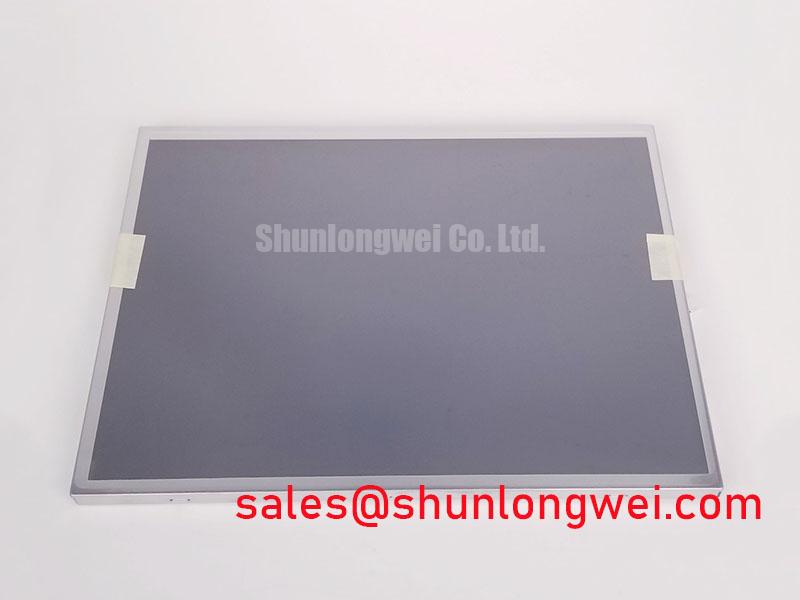
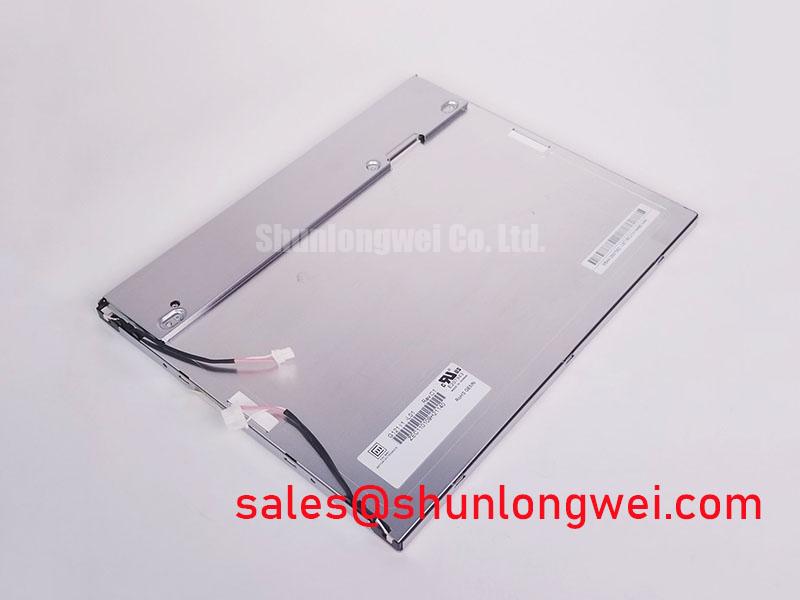
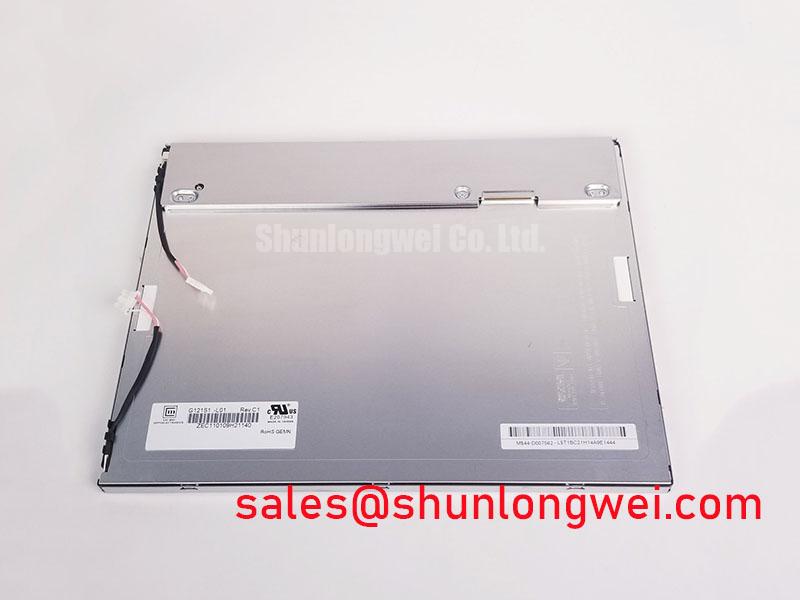
The Innolux G121I1-L01 is a 12.1-inch a-Si TFT-LCD module engineered for exceptional visual performance and reliability in thermally demanding industrial environments. It delivers consistent operation across an extremely wide temperature range, anchored by a robust mechanical design and a long-life LED backlight system. This combination ensures operational stability and longevity for critical HMI and control systems.
* **Core Specifications**: 12.1″ SVGA (800×600) | 450 cd/m² Brightness | -30°C to +80°C Operating Temperature
* **Key Advantages**: Sustains full functionality in extreme cold and heat, reducing the need for auxiliary thermal hardware. A 50,000-hour backlight minimizes maintenance cycles and lowers total cost of ownership.
* **Integration Focus**: How can this display operate reliably in an unheated outdoor enclosure? Its -30°C operational floor ensures the liquid crystal and electronic components perform consistently, even during cold starts in freezing conditions.
Download Official Datasheet (PDF)
Technical Analysis for System Reliability
The standout feature of the G121I1-L01 is its documented operational temperature range of -30°C to +80°C. This broad tolerance is critical for equipment deployed in environments without climate control, such as outdoor payment terminals, unheated warehouses, or in-vehicle systems. The ability to function at -30°C mitigates common cold-start issues like increased response time or backlight ignition failure. This is similar to the benefit of using an all-season lubricant in an engine; it ensures consistent performance regardless of the ambient temperature, preventing sluggishness or damage at the extremes.
This environmental resilience is complemented by the module’s long-life WLED backlight, which has a typical lifespan of 50,000 hours. For an industrial system running 24/7, this translates to over five years of continuous operation before the backlight reaches half its initial brightness. This metric is fundamental for calculating long-term service intervals and the total cost of ownership. The standard LVDS (Low Voltage Differential Signaling) interface ensures robust, low-noise data transmission, which is essential for maintaining signal integrity over the physical distance between the controller board and the display panel itself.
Optimized Application Scenarios
The specific parameter set of this module makes it a strong candidate for several industrial uses:
- Industrial HMI Panels: The 12.1-inch size and SVGA (800×600) resolution are a direct fit for many legacy and new control systems, while the wide temperature range ensures reliability on the factory floor.
- Transportation and Logistics: Suitable for in-cab displays in trucks, forklifts, or marine vessels where temperatures can swing from below freezing to intense heat.
- Outdoor Kiosks (Shaded): The 450-nit brightness and anti-glare surface provide good readability in bright, indirect light, and its thermal robustness handles daily temperature cycles.
- Medical Instrumentation: The stable, long-life performance is ideal for patient monitors and diagnostic equipment that demand high reliability.
For systems needing a durable SVGA display for harsh thermal conditions, the G121I1-L01 provides a technically sound and reliable foundation.
Key Specifications of the G121I1-L01
| Parameter | Specification |
|---|---|
| Manufacturer | Innolux |
| Screen Size | 12.1 inches |
| Resolution | 800(RGB)×600 [SVGA] |
| Display Mode | TN, Normally White, Transmissive |
| Brightness | 450 cd/m² (Typ.) |
| Contrast Ratio | 700:1 (Typ.) |
| Viewing Angle | 80°/80°/60°/80° (L/R/U/D) (Typ.) |
| Signal Interface | LVDS (1 ch, 6/8-bit), 20 pins |
| Backlight | WLED, 50,000 hours (Typ.) |
| Operating Temperature | -30°C to 80°C |
| Storage Temperature | -30°C to 80°C |
For complete details, refer to the official G121I1-L01 datasheet.
Engineer’s FAQ
What makes the G121I1-L01 suitable for environments with extreme temperatures?
Its qualification for operation from -30°C to +80°C is the key factor. The materials and components, from the liquid crystal fluid to the driving electronics, are specified to maintain stable performance across this range, ensuring reliability without external heating or cooling systems in most industrial settings. For more on this topic, read our guide on designing for environmental resilience.
What are the power requirements for the WLED backlight driver?
The datasheet specifies that the LED backlight driver requires a separate input voltage. While the panel’s logic runs on 3.3V, the backlight driver board requires an input voltage that must be supplied by the system designer. Refer to section 6.3 of the datasheet for detailed specifications on the backlight driving board’s connector and voltage/current requirements.
How can I ensure correct integration with my controller’s LVDS output?
The G121I1-L01 uses a standard 1-channel, 6/8-bit LVDS interface via a 20-pin connector. The datasheet provides a detailed pinout in section 6.1. It is critical to match the pin assignments (RxIN0-, RxIN0+, etc.) from your host controller to the display’s input connector. Also, ensure the power supply for the panel (VCC at 3.3V) is stable and properly sequenced.
Are the viewing angles sufficient for an operator panel mounted at eye level?
With typical viewing angles of 80° (left/right), 60° (up), and 80° (down), the display offers wide horizontal visibility. The vertical viewing angle is asymmetrical, which is common for TN panels. For an operator panel mounted at or slightly below eye level, the 80° downward view ensures a clear image. For a deeper understanding of display technologies, see our articles on LCD core technology.
This Innolux display provides a robust foundation for industrial products that cannot compromise on operational uptime. Its ability to perform reliably across a wide thermal spectrum simplifies system design and enhances the field-proven resilience of the final product.