HSD150SX84 Technical Review: A Reliable XGA Display for Industrial Integration
## HSD150SX84 15.0-Inch XGA Industrial TFT-LCD Module
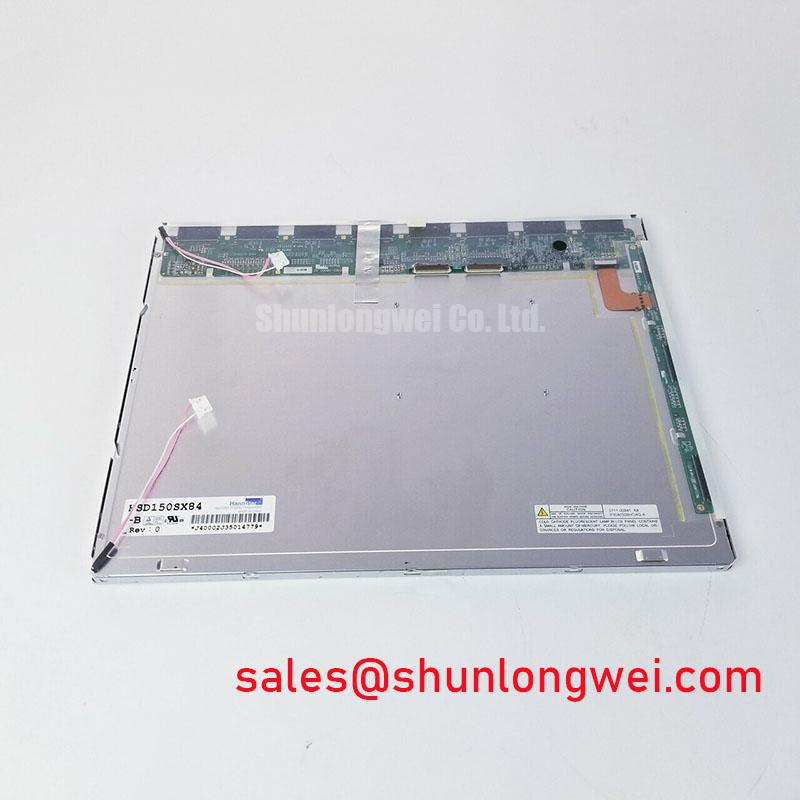
The HSD150SX84 is a 15.0-inch a-Si TFT-LCD module from HannStar, engineered for reliable performance in industrial applications. It delivers standard XGA resolution with consistent optical characteristics, making it a dependable choice for system integration and long-term deployments. This panel’s robust build is specified for operation in typical industrial environments.
* **Core Specifications:** 1024×768 XGA | 250 cd/m² Brightness | 400:1 Contrast Ratio
* **Key Advantages:** Standardized interface for simplified integration, long-life CCFL backlight system.
* **Operational Reliability:** The panel’s backlight is rated for a minimum of 30,000 hours of operation, providing a predictable service life for industrial HMI and control systems.
Access Full Datasheet (External Link)
### Technical Analysis for System Integration
The HSD150SX84 is built around a set of specifications that prioritize reliability and straightforward integration into existing and new industrial equipment. Its 15.0-inch diagonal size and 1024×768 (XGA) resolution provide a familiar 4:3 aspect ratio, which is essential for retrofitting legacy systems or designing new HMIs where standard, non-widescreen formats are required. The panel utilizes a TN, normally white transmissive display mode, a proven technology for industrial displays.
A critical parameter for any integrated display is its thermal performance. The HSD150SX84 is specified for an operating temperature range of 0 to 50°C and a storage range of -20 to 60°C. This makes it suitable for deployment in climate-controlled factory floors, control rooms, and indoor commercial environments. To understand thermal management, think of the display’s power consumption as a heat source inside your enclosure. Proper system design must account for this heat to ensure the panel operates within its specified temperature limits, a key topic covered in thermal management for industrial display reliability.
### Interface and Optical Performance
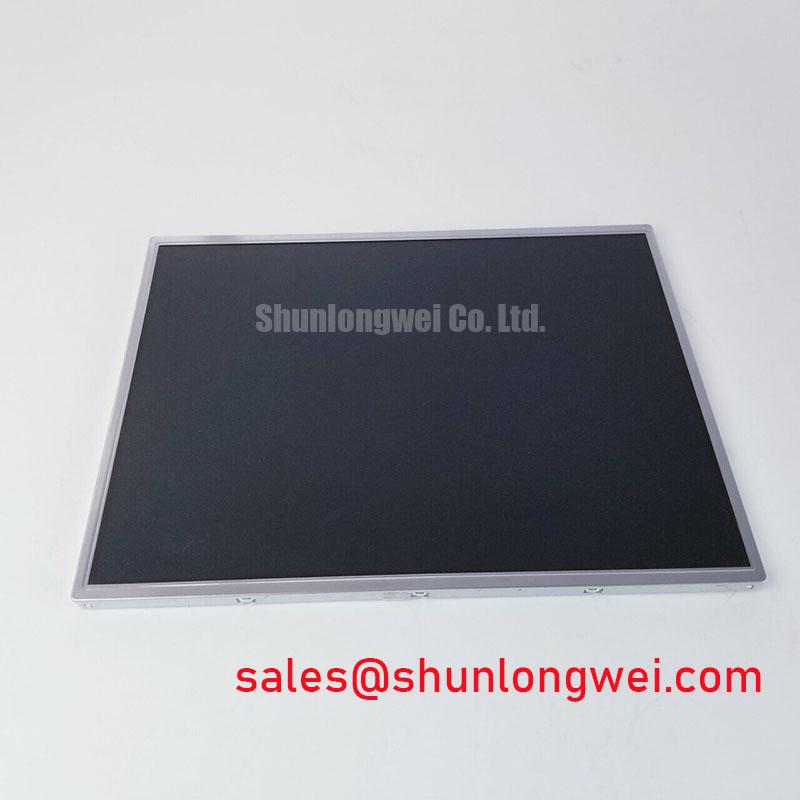
The display presents its visuals with a typical brightness of 250 nits and a contrast ratio of 400:1, offering clear and discernible image quality for GUIs, data readouts, and status indicators. The surface features an antiglare treatment, which helps to diffuse ambient light and reduce reflections, improving readability for operators.
For data transmission, the HSD150SX84 uses a Parallel RGB (2 ch, 6-bit) signal interface with an 80-pin connector. This interface, while more traditional than modern LVDS or eDP standards, is well-documented and straightforward for engineers experienced with display integration. It supports 262K colors and operates with a 3.3V logic supply voltage. The dual CCFL backlight system, positioned at the top and bottom edges, is rated for a minimum lifetime of 30,000 hours before reaching half of its initial brightness, a critical metric for calculating total cost of ownership and maintenance schedules. Understanding the nuances of different display technologies is vital, as explored in articles on LCD core technology.
### Optimized Application Scenarios
The HSD150SX84’s feature set makes it a practical choice for several specific industrial and commercial use cases:
* **Industrial HMI:** The 4:3 aspect ratio and standard XGA resolution are ideal for direct replacement or new designs in factory automation and machine control interfaces.
* **Process Control Systems:** Its specified operating temperature range ensures stable performance in controlled indoor industrial environments.
* **Instrumentation Panels:** The 400:1 contrast ratio and antiglare surface provide the necessary clarity for displaying critical measurement data.
* **Point-of-Sale (POS) Equipment:** Offers a reliable and cost-effective display solution for operator interfaces in retail and service environments.
Its combination of standard resolution, proven interface, and specified operational parameters makes it a strong candidate for long-life industrial and commercial systems.
### Key Specifications of the HSD150SX84
| Feature | Specification |
|---|---|
| Manufacturer | HannStar |
| Display Type | a-Si TFT-LCD, LCM |
| Screen Size | 15.0 inches |
| Resolution | 1024(RGB)×768, XGA (85 PPI) |
| Luminance | 250 cd/m² (Typ.) |
| Contrast Ratio | 400:1 (Typ.) |
| Viewing Angle | 60/60/40/50 (Min.)(CR≥10) |
| Signal Interface | Parallel RGB (2 ch, 6-bit), 80-pin Connector |
| Backlight System | 2 pcs CCFL, 30,000 hours (Min.) |
| Operating Temperature | 0°C to 50°C |
| Storage Temperature | -20°C to 60°C |
| Surface Treatment | Antiglare, Hard coating (3H) |
### Engineer’s FAQ
**Q1: What is the expected lifespan of the HSD150SX84’s CCFL backlight?**
A: The dual CCFL backlight system is specified to have a minimum lifetime of 30,000 hours. This rating typically defines the time until the backlight’s brightness degrades to 50% of its initial value under normal operating conditions.
**Q2: What type of inverter do I need for the CCFL backlight?**
A: The HSD150SX84 does not include a backlight driver/inverter. You will need an external inverter capable of supplying a typical lamp voltage of 760V and a current of 6.0mA per lamp, with a typical frequency of 55KHz.
**Q3: How does the Parallel RGB interface differ from LVDS?**
A: The Parallel RGB interface used on the HSD150SX84 transmits color data for each pixel simultaneously over a wide bus (80 pins in this case). While effective, it is more susceptible to noise over longer distances compared to LVDS Interface, which uses differential pairs to transmit data serially at high speeds with better EMI performance. This makes cabling and layout critical for signal integrity.
**Q4: Is this panel suitable for outdoor use?**
A: With a typical brightness of 250 cd/m² and an operating temperature limit of 50°C, the HSD150SX84 is intended for indoor industrial and commercial applications. It is not specified for direct sunlight readability or the extreme temperatures found in outdoor environments.
The HSD150SX84 offers a solid foundation for industrial display systems where a standard aspect ratio, proven interface, and long-term operational reliability are the primary design drivers.