LMS430HF18 Technical Analysis: A Robust Display for Demanding Environments
LMS430HF18: Samsung 4.3″ WQVGA Industrial TFT-LCD Module
Introduction and Core Highlights
The Samsung LMS430HF18 is a 4.3-inch WQVGA TFT-LCD module engineered for consistent operation in demanding applications. It delivers a balance of low power consumption and a wide thermal operating range, making it a reliable choice for portable and embedded systems. This display integrates an amorphous silicon TFT active matrix and provides a standard 24-bit parallel RGB interface, simplifying integration for system designers familiar with this interface protocol. The panel’s design focuses on functional reliability for clear information display.
- Core Specifications: 4.3-inch Diagonal | 480×272 WQVGA Resolution | -20 to +70°C Operating Temperature.
- Key Advantages: Wide operating temperature supports use in varied environments. Low power consumption is well-suited for battery-powered or thermally constrained devices.
- Integration Focus: Features a standard 45-pin FPC with a 24-bit parallel RGB interface for direct connection to host processors.
Download Official Datasheet (PDF)
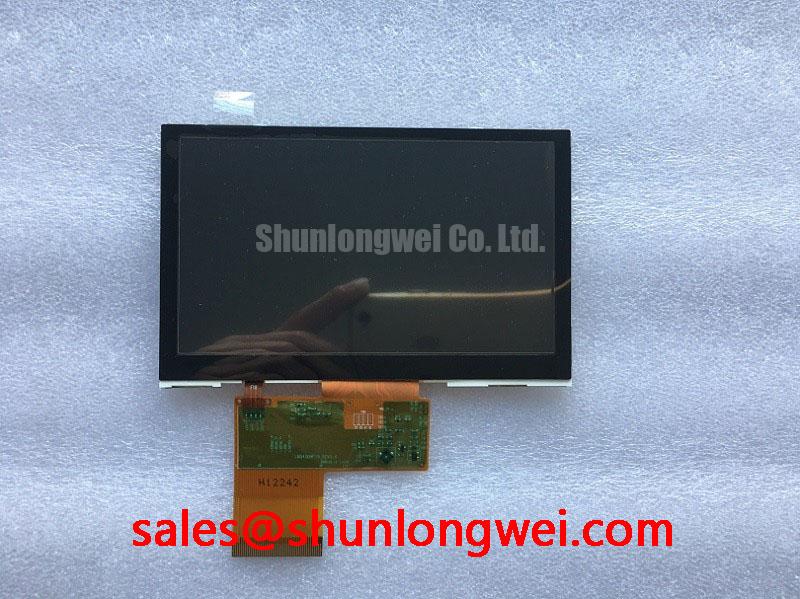
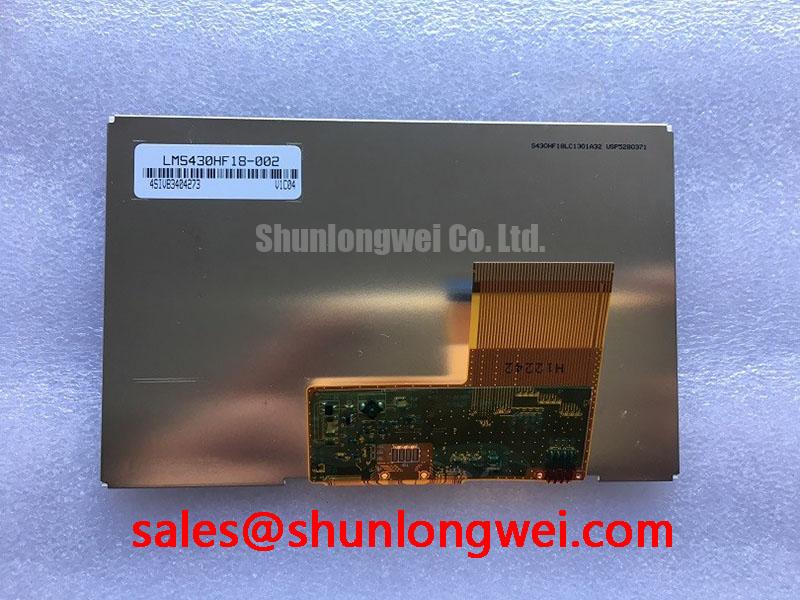
Technical Analysis for System Integration
A standout feature of the LMS430HF18 is its wide operating temperature range of -20°C to +70°C. This capability ensures that the display remains functional and reliable in environments that experience significant temperature fluctuations, such as in-vehicle systems or unconditioned industrial settings. You can think of this thermal resilience like the tread on an all-season tire; it provides predictable performance whether operating in a chilled warehouse or a warm enclosure. This specified range gives engineers confidence that the display’s optical characteristics, such as contrast and response time, will remain within a predictable performance window during thermal cycling. For further reading on environmental resilience, see our guide on vibration and shock resistance for industrial displays.
Power efficiency is another critical aspect of this display’s design. The TFT-LCD panel itself has a typical power consumption of 235.2 mW, with the WLED backlight consuming a typical 264 mW. The total typical power draw of just under 500 mW is advantageous for battery-powered handheld devices, where extending operational life between charges is a primary design goal. This low consumption also reduces the thermal load within the device’s enclosure, simplifying overall thermal management and potentially reducing the need for more complex cooling solutions.
Optimized Application Scenarios
The LMS430HF18’s specifications make it a practical choice for several specific use cases:
- Portable Multimedia Players (PMP): The 4.3-inch size and WQVGA resolution are well-matched for video and image display, while its low power consumption helps maximize battery life.
- Portable Navigation Systems: The specified operating temperature range ensures reliable screen performance in a vehicle’s interior, which can experience extreme heat and cold.
- Industrial Handheld Devices: Its durability across a wide temperature range and efficient power usage are ideal for data collectors, inventory scanners, and field service instruments.
- AV Application Products: The standard 24-bit RGB interface allows for straightforward integration with a variety of video processors common in audio-visual equipment.
Its balance of a wide thermal range and low power draw makes the LMS430HF18 an excellent fit for portable devices operating in uncontrolled temperature environments.
Key Specifications of the LMS430HF18
| General Specifications | |
|---|---|
| Screen Size | 4.3 inches |
| Resolution | 480(H) x 272(V) [WQVGA] |
| Active Area | 95.04(H) x 53.856(V) mm |
| Display Mode | VA, Normally Black |
| Surface Treatment | Glare |
| Signal Interface | 24-bit Parallel RGB |
| Optical and Electrical Characteristics (Ta=25°C) | |
| Luminance (Typ.) | 230 cd/m² |
| Contrast Ratio (Typ.) | 350:1 |
| Viewing Angle (Typ.) | 80°/80°/80°/80° (L/R/U/D) |
| Digital Power Supply (VDD) | 2.3V to 3.6V |
| Backlight System | 10-series WLED |
| Backlight Forward Current (I_LED) | 22 mA (Typ.) |
| Environmental Ratings | |
| Operating Temperature | -20°C to +70°C |
| Storage Temperature | -40°C to +85°C |
Engineer FAQ
- What are the power requirements for the LMS430HF18’s backlight?
- The backlight consists of 10 white LEDs in series. It requires an external driver. The datasheet specifies a typical forward current (I_LED) of 22 mA and a maximum of 24 mA. The forward voltage (V_LED) is typically 33.0V at 22 mA. Designs should incorporate a constant current driver capable of supplying these parameters.
- What are the critical timing requirements for the 24-bit parallel RGB interface?
- The display operates in DE (Data Enable) mode. The host must provide HSYNC, VSYNC, and DOTCLK signals. At a typical 60Hz frame rate, the DOTCLK frequency is 9.2 MHz. The datasheet provides detailed setup and hold time requirements for all data and sync signals relative to the DOTCLK edge, which are critical for avoiding display artifacts.
- Is the LMS430HF18 suitable for direct sunlight applications?
- The panel is a TMR (Transmissive with Micro Reflective) type, which provides some visibility in outdoor conditions, even with the backlight off. However, with a typical brightness of 230 cd/m², it is not considered a full sunlight-readable display. It performs best in shaded outdoor or high ambient light indoor environments. For more on this topic, consider reading about sunlight readability.
- What connector is specified for this module?
- The datasheet specifies a 45-pin FPC (Flexible Printed Circuit) with a 0.5mm pitch for all signal and power connections. Engineers must source a compatible 45-pin FPC connector for their PCB layout.
Enabling Robust and Efficient Designs
The LMS430HF18 provides a reliable foundation for products that must deliver clear visuals in thermally dynamic environments without compromising battery life. Its combination of a wide industrial temperature range, documented low power consumption, and a standard parallel interface equips engineers to develop robust portable and embedded devices with predictable performance. Exploring more on display technologies can provide further insight into LCD core technology and its applications.