Mitsubishi J2S-Q01A-D Darlington Transistor Power Module: Engineering Guide to High-Gain Precision Switching
Mitsubishi J2S-Q01A-D Darlington Transistor Power Module
Introduction to High-Gain Precision Switching
The Mitsubishi J2S-Q01A-D is an integrated Darlington transistor power module specifically engineered for the MelServo MR-J2S series AC servo amplifiers. By leveraging a high-gain Darlington configuration, this module achieves significant current amplification with minimal base drive requirements, enabling the high-precision torque and speed control necessary for modern robotics and automated assembly lines. It integrates essential freewheeling diodes to handle inductive energy spikes, ensuring the longevity of the power stage.
- Core Specifications: Optimized for 600V Class | High Gain Darlington Pair | Integrated Fast Recovery Diodes.
- Engineering Value: Reduced base-drive circuitry complexity and enhanced thermal stability during high-frequency switching cycles.
- Maintenance Support: This module serves as a direct technical replacement for power stages within legacy MR-J2S-A/B/CP amplifiers, addressing common failures in aging industrial drive systems.
Download Official Manufacturer Documentation (PDF)
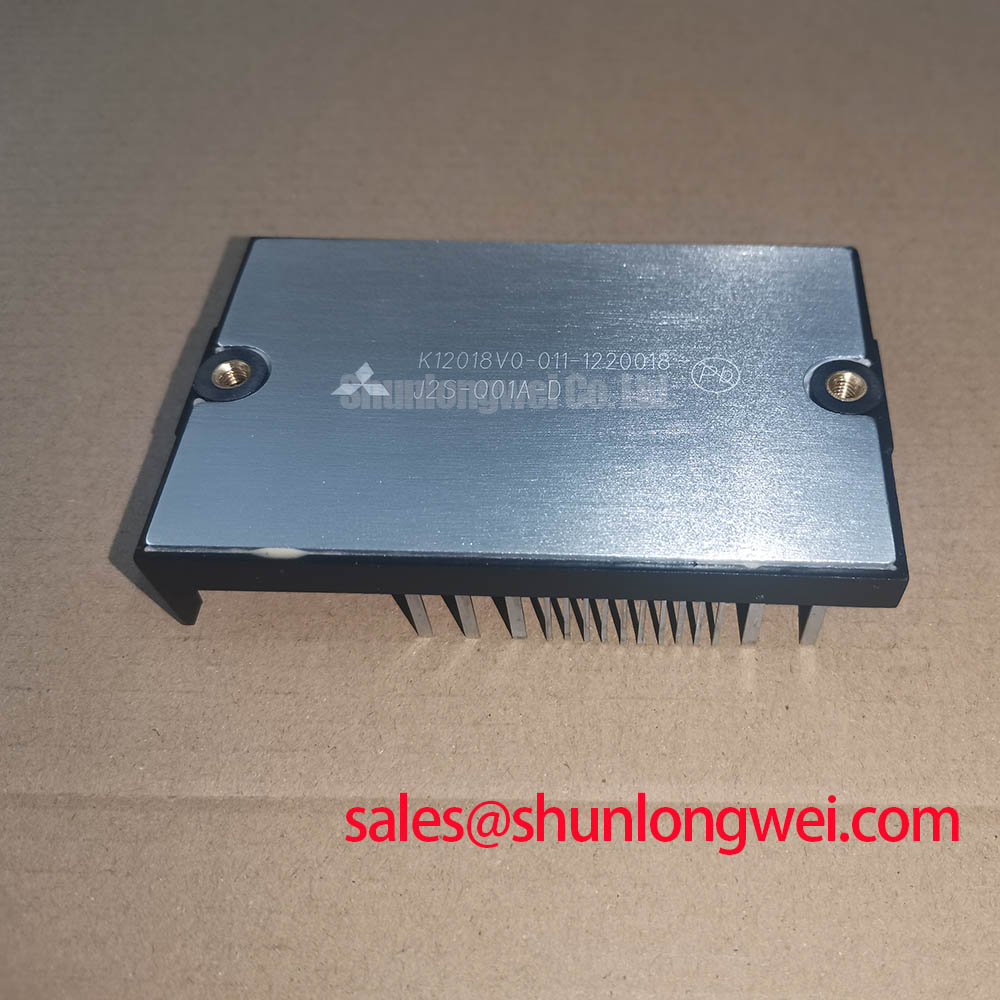

Technical Analysis of the J2S-Q01A-D Architecture
The J2S-Q01A-D utilizes a specialized power semiconductor layout where two transistors are coupled to provide a much higher current gain ($h_{FE}$) than standard single transistors. This architecture is vital for servo applications where rapid response to control signals is required. To visualize this, think of the Darlington configuration as a mechanical leverage system; a small input force (base current) is multiplied significantly to move heavy industrial loads (collector current) with precision and minimal control overhead.
A critical parameter for engineers is the Collector-Emitter Saturation Voltage ($V_{CE(sat)}$). In the J2S-Q01A-D, maintaining a low $V_{CE(sat)}$ is essential for minimizing conduction losses. Lower conduction losses translate directly to reduced heat generation, which is the primary factor in extending the mean time between failures (MTBF) for drive modules. Furthermore, the integration of high-speed diodes within the package simplifies the PCB layout by reducing parasitic inductance—a common challenge discussed in our guide on parasitic inductance impacts.
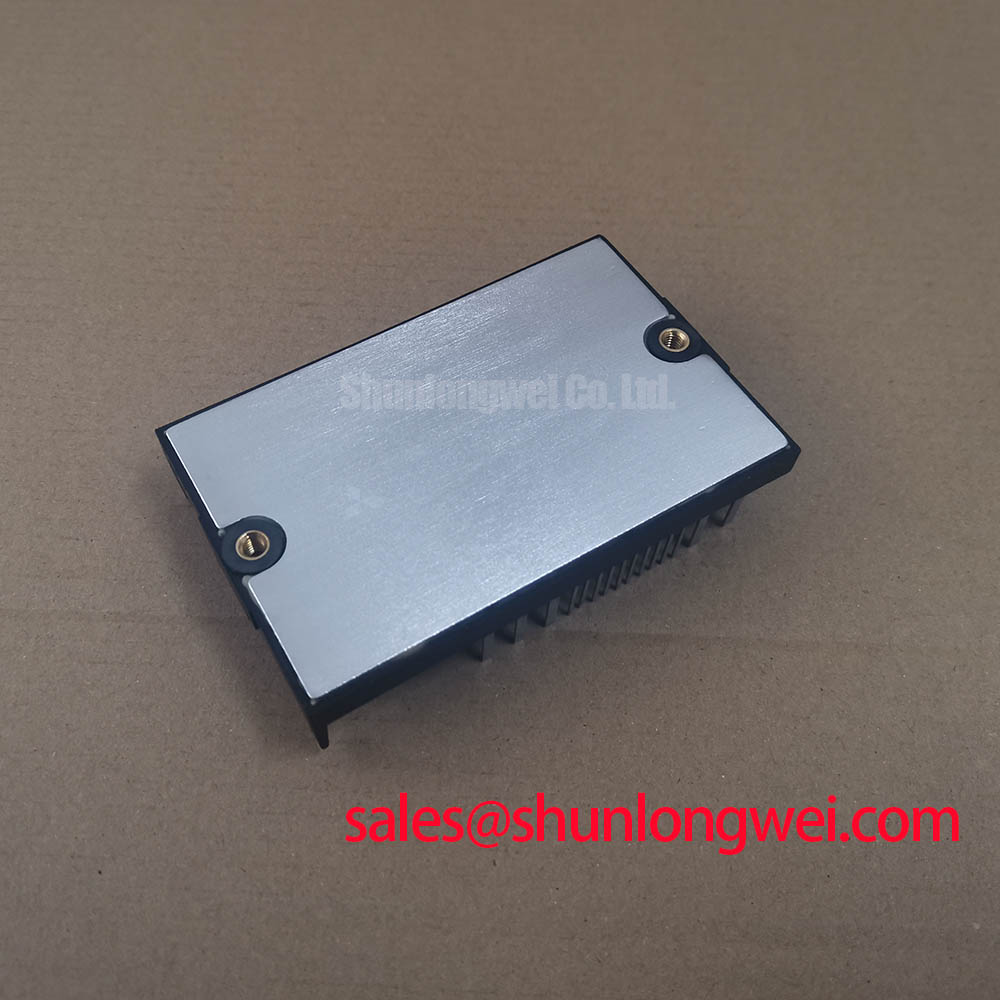
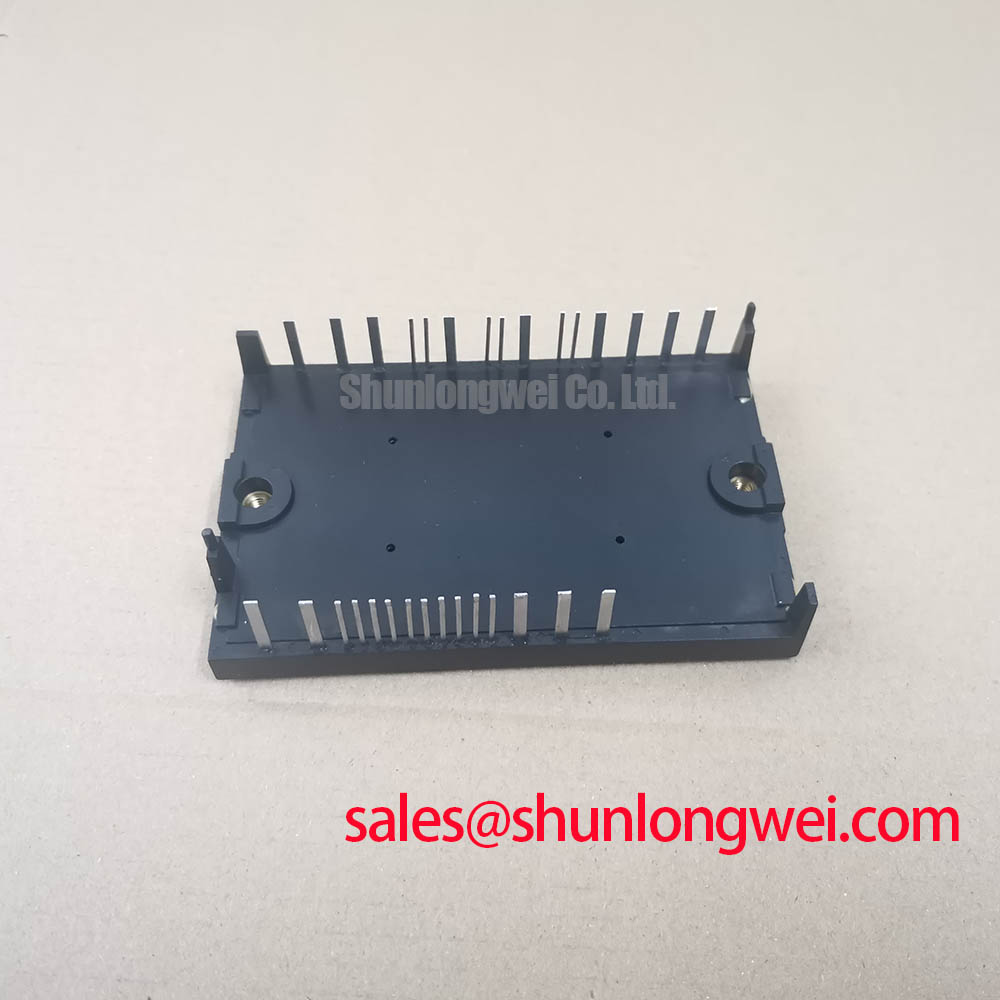
Optimized Application Scenarios
The J2S-Q01A-D is specifically tailored for demanding motion control environments:
- CNC Machining Centers: High switching speeds ensure smooth interpolation and surface finish quality during multi-axis movements.
- Industrial Robotics: The high gain characteristic allows for responsive joint control in articulated robot arms.
- Automated Packaging Systems: Reliability in high-cycle start-stop operations is supported by the robust internal diode clamping.
- Legacy System Sustainment: Essential for maintaining Mitsubishi MR-J2S servo systems without requiring full drive replacements.
Best Match: Ideal for 600V-class AC servo amplifiers requiring high-gain current amplification and integrated flyback protection for inductive loads.
Key Specifications and Ratings
| Category | Parameter | Typical Value |
|---|---|---|
| Absolute Maximums | Collector-Emitter Voltage ($V_{CES}$) | 600V |
| Isolation Voltage ($V_{iso}$) | 2500V AC (1 min) | |
| Electrical Characteristics | Current Gain ($h_{FE}$) | High (Darlington) |
| Diode Forward Voltage ($V_{EC}$) | Low Recovery Loss | |
| Thermal | Junction Temp ($T_j$) | -40 to +150°C |


Engineer FAQ: Implementation & Thermal Design
Can the J2S-Q01A-D be used in modern DIY inverter projects?
While technically possible for 600V-class switching, this module is optimized for the proprietary control loops of Mitsubishi MelServo units. For general inverter design, engineers often compare the gain characteristics of Darlington modules against the switching efficiency of newer IGBTs, as explored in our Mitsubishi J2 series analysis.
What are the critical mounting requirements for thermal stability?
Consistent contact between the module baseplate and the heatsink is paramount. Using a high-quality thermal interface material (TIM) and applying the specified torque to mounting screws prevents localized hotspots. Proper thermal management prevents the degradation of internal isolation gels, a topic covered in our research on insulation reliability.
How does this module handle back-EMF from large motors?
The J2S-Q01A-D includes integrated antiparallel diodes designed to commute motor current during the “off” state of the transistors. This protects the Darlington pairs from overvoltage breakdown during regenerative braking or rapid deceleration.
The Mitsubishi J2S-Q01A-D remains a cornerstone for maintaining the operational integrity of high-precision Mitsubishi servo systems. Its integration of high-gain Darlington technology with robust internal protection allows engineers to sustain legacy machinery with performance that matches original manufacturer specifications.