Mitsubishi J2-Q03A-D Review: High-Gain Power Control Simplified
J2-Q03A-D Mitsubishi 600V 30A Darlington Module Review
Introduction and Core Highlights
The Mitsubishi J2-Q03A-D is a dual Darlington transistor module engineered for robust performance in high-power switching applications. Its core value proposition lies in its exceptionally high DC current gain (hFE), which allows for simplified driver circuit design and effective control of significant loads with minimal input current. This makes it a formidable component for building reliable and cost-effective power systems.
- Core Specifications: 600V | 30A | Dual Transistor Configuration
- Key Advantages: Simplifies drive circuit requirements, provides robust performance for inductive loads.
This module is particularly effective in designs where controlling high current with a low-power signal is a priority, reducing the complexity and cost of the control stage.
Disclaimer: An official manufacturer datasheet for the J2-Q03A-D could not be located. The technical data presented here is aggregated from publicly available sources and should be verified before use in a production design.
Learn More About Datasheet Verification

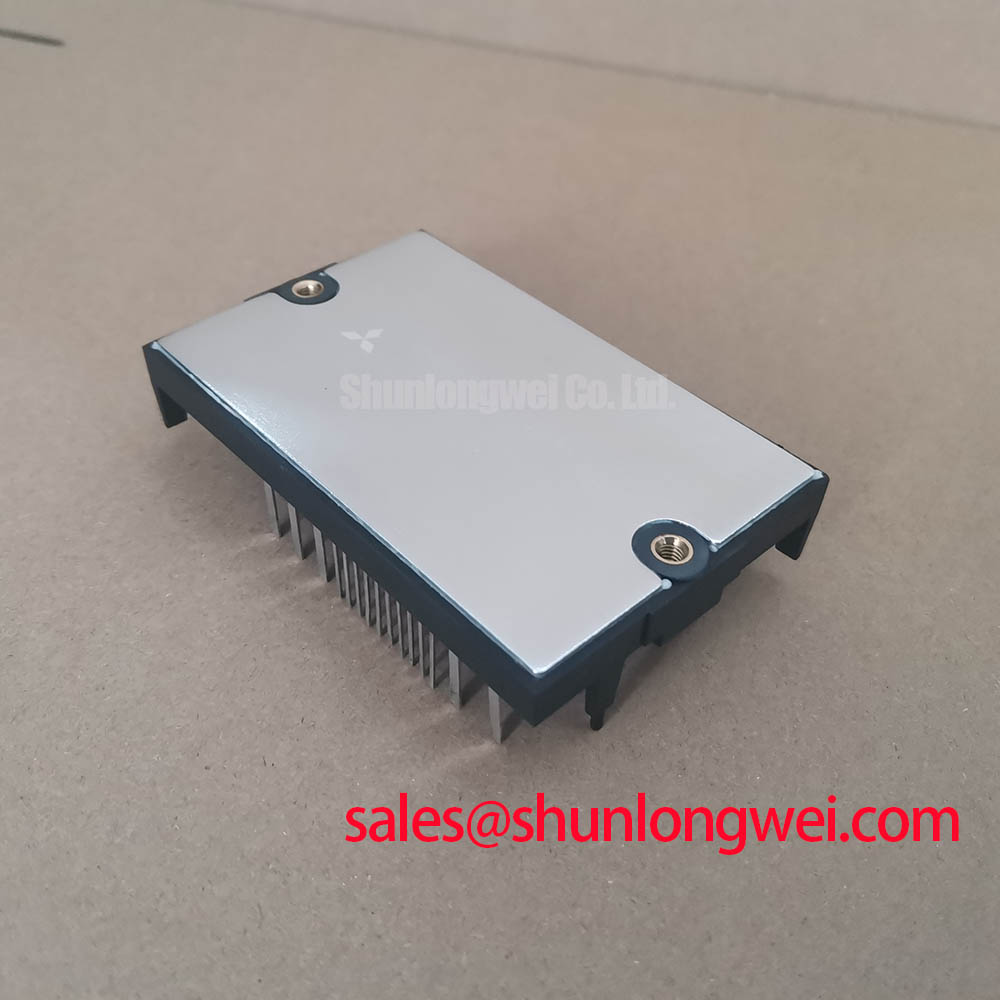
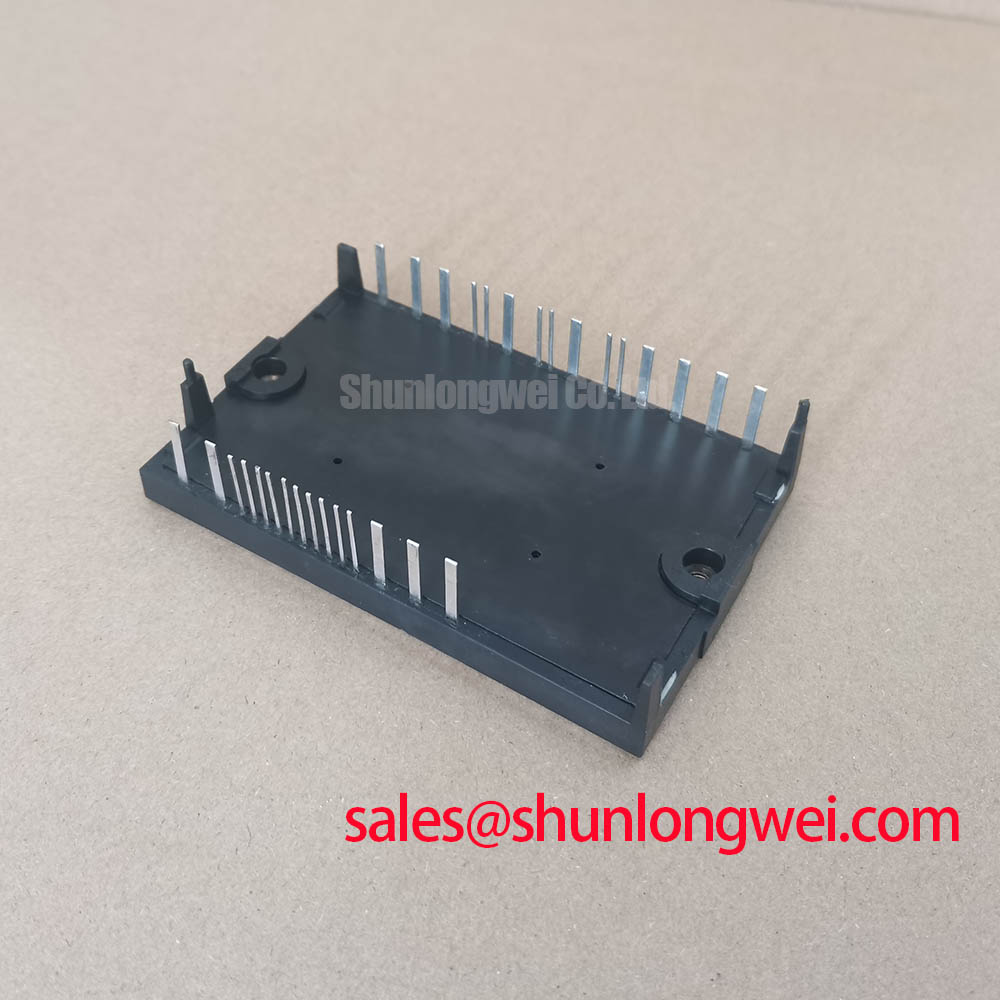
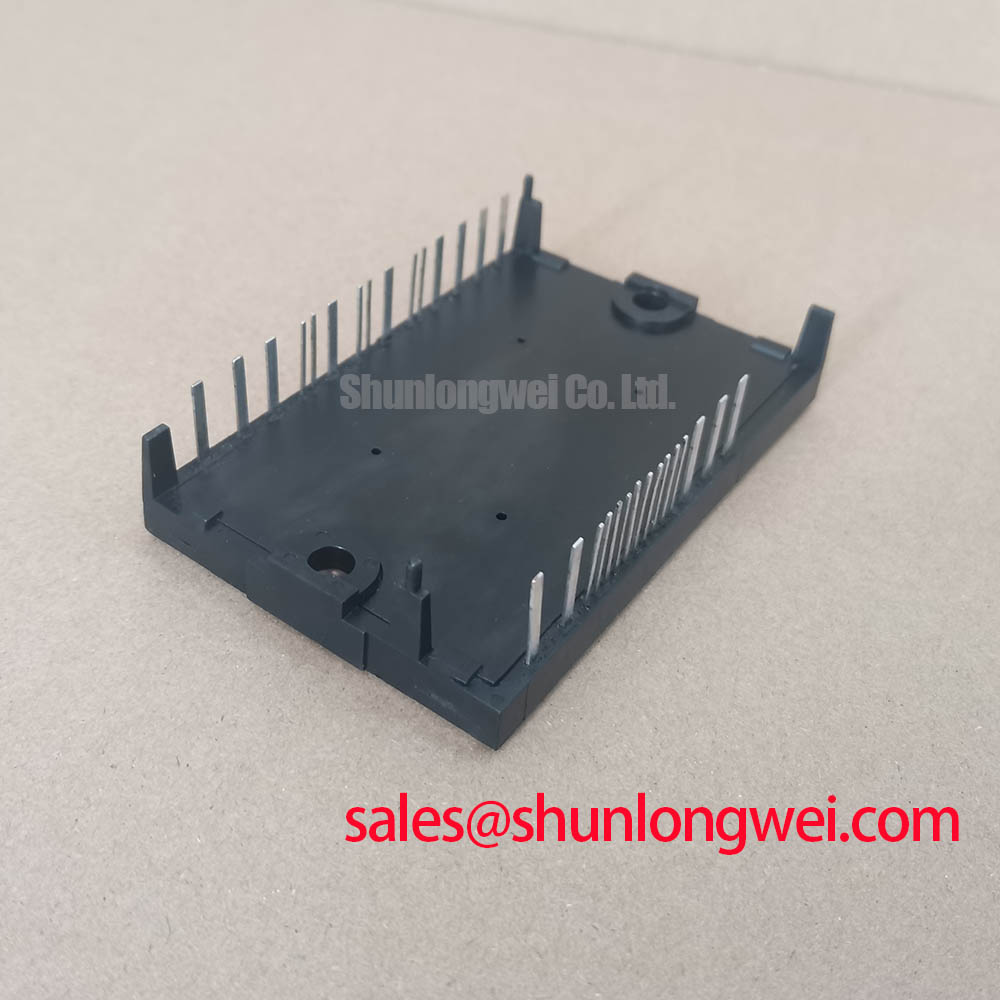
Technical Analysis: High Gain and Robust Isolation
The standout characteristic of the J2-Q03A-D is its high DC current gain (hFE). As a Darlington pair, it internally connects two bipolar transistors in a way that multiplies their individual gains. This means a very small base current can control a much larger collector current (up to 30A). For design engineers, this translates into a less demanding, lower-power, and often less expensive driver circuit. This is a significant advantage in systems like industrial controllers or PLCs where available drive current is limited.
Another critical feature is the module’s electrical isolation. With an isolation voltage rating (Viso) typically around 2500V RMS, the module ensures that the high-power circuit is safely separated from the sensitive, low-voltage control logic. This isolated baseplate is fundamental for building safe and compliant industrial equipment, preventing catastrophic failures where high voltage could damage the entire control system.
Effective thermal management is essential for reliability. The module’s thermal resistance from junction to case (Rth(j-c)) dictates how efficiently heat can be extracted. Think of thermal resistance as the width of a drainpipe; a lower value is like a wider pipe, allowing heat to flow away from the semiconductor junction more easily. Proper mounting to a heatsink with thermal compound is crucial to prevent the device from exceeding its maximum operating junction temperature, ensuring long-term operational stability.
Optimized Application Scenarios
- Industrial Motor Controls: The module’s robust construction and high current capability make it well-suited for driving DC motors and small AC motors in applications like conveyors, pumps, and fans.
- Power Supplies and Converters: It can be used as a high-power switch in linear and switching power supplies where high gain simplifies the control loop.
- Solenoid and Relay Drivers: Its ability to control a 30A load with a small signal is ideal for driving large industrial solenoids, contactors, and relays.
- Legacy System Repair: As a Darlington module, it serves as a reliable replacement part for older industrial equipment that was originally designed with this technology.
This J2-Q03A-D module is best matched for applications requiring robust, high-gain switching without the complexity of modern IGBT or MOSFET drive circuits.
Key Specification Parameters (Unverified)
| Absolute Maximum Ratings (Ta=25°C) | |
|---|---|
| Collector-Emitter Voltage (VCEO) | 600V |
| Collector Current (IC) | 30A |
| Base Current (IB) | 2A |
| Collector Power Dissipation (Pc) | 200W |
| Isolation Voltage (Viso) | 2500V (RMS) |
| Electrical Characteristics | |
| DC Current Gain (hFE) | 75 (Min) |
| Collector-Emitter Saturation Voltage (VCE(sat)) | 2.5V (Max) |
Engineer’s FAQ
- What is the main advantage of a Darlington module like the J2-Q03A-D over a modern IGBT?
- The primary advantage is its very high DC current gain (hFE). This allows a low-power control signal (e.g., from a microcontroller) to directly drive the module without a complex, high-current gate driver stage. While IGBTs offer faster switching and lower saturation voltage, Darlingtons provide simplicity in the drive circuit, which can be beneficial in less-demanding, cost-sensitive applications.
- What are the critical mounting and thermal considerations for this module?
- Proper thermal management is crucial. Ensure the heatsink surface is flat, clean, and free of burrs. A thin, uniform layer of thermal grease should be applied to the module’s baseplate to eliminate air gaps and minimize thermal resistance. Use the specified mounting torque for the terminal and mounting screws to ensure good thermal and electrical contact without causing mechanical stress to the module.
- Can this module be used in a high-frequency application like a modern switching power supply?
- Darlington transistors generally have slower turn-on and turn-off times compared to MOSFETs or IGBTs. While suitable for DC or low-frequency applications like motor control (up to a few kHz), they are typically not recommended for high-frequency (e.g., >20 kHz) power conversion, as switching losses would become excessive and lead to overheating and poor efficiency.
- What does the dual configuration mean?
- The dual configuration indicates that two independent Darlington transistor switches are housed within the single J2-Q03A-D module. This is commonly used to create one leg of a three-phase inverter (a half-bridge) or for two separate DC load switching circuits, simplifying the overall mechanical layout and wiring.
Enabling Robust Power Control
The Mitsubishi J2-Q03A-D provides a straightforward and powerful component for industrial power control. By combining high current gain with a robust, isolated package, it empowers engineers to develop reliable motor drives and power switching systems with simplified control architecture. This makes it an enduring choice for both new designs and legacy system maintenance where performance and dependability are key.