Sharp LJ640U27: High-Reliability VGA Monochrome Electroluminescent Display for Extreme Industrial Environments
Sharp LJ640U27 VGA Monochrome Electroluminescent (EL) Display Module
Reliable Visual Performance for Extreme Industrial Environments
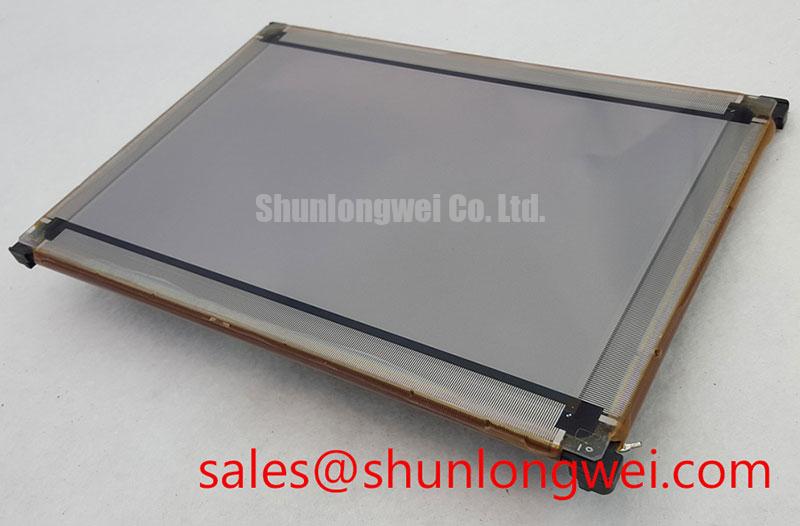
The LJ640U27 is a high-performance Thin Film Electroluminescent (TFEL) display module engineered by Sharp to provide unparalleled reliability in environments where standard LCD technology often fails. Utilizing a solid-state light-emitting mechanism, this module offers a 640 x 480 VGA resolution, delivering crisp amber-on-black visuals that remain stable regardless of temperature fluctuations or mechanical stress. Unlike traditional displays that rely on fragile backlighting or liquid crystals, the LJ640U27 is a self-emissive solution characterized by its extreme ruggedness and wide viewing angles.
- Core Specifications: 640 x 480 VGA | Amber Monochrome | 8.9-inch Class
- Key Advantage 1: Instantaneous response time maintained across the entire operating temperature range.
- Key Advantage 2: Solid-state construction eliminates the need for backlights and prevents “cold-start” ghosting common in LCDs.
One common concern for system designers is how the LJ640U27 performs in sub-zero environments compared to standard TFT modules. Because it does not rely on a fluid-based liquid crystal layer, this EL module avoids the sluggish response and contrast degradation typically associated with cold temperatures, making it a preferred choice for outdoor terminals and unheated industrial facilities.
Download Official Sharp Display Documentation


Technical Analysis: The Physics of TFEL Reliability
The technical superiority of the LJ640U27 stems from its Thin Film Electroluminescent (TFEL) architecture. In this structure, a thin film phosphor layer is sandwiched between two dielectric layers and a matrix of electrodes. When an AC voltage is applied, the phosphor layer emits light directly. This eliminates the requirement for an external backlight, which is frequently the primary failure point in industrial displays due to bulb burnout or LED degradation. By removing the backlight, the LJ640U27 achieves a significantly thinner profile and enhanced thermal efficiency.
For engineers assessing LCD core technology versus EL alternatives, the viewing angle of the LJ640U27 is a critical differentiator. It offers a near-perfect 179-degree viewing angle in both horizontal and vertical planes. You can think of the pixels in an EL display as microscopic, solid-state lamps that generate their own light; unlike LCDs that function like a window shutter with a flashlight behind it, these “lamps” emit light in all directions simultaneously. This ensures that the display remains perfectly legible even when viewed from extreme off-axis positions in complex control rooms.
Furthermore, the LJ640U27 demonstrates exceptional vibration and shock resistance. Because there are no liquid components or vacuum-sealed glass tubes (as in older CRT or plasma technology), the internal layers are bonded in a solid-state stack. This physical integrity prevents the common “pooling” effect or alignment issues that occur in LCDs under heavy mechanical vibration, ensuring consistent visual output in heavy machinery and aerospace applications.
Optimized Application Scenarios
- Oil and Gas Drilling Instrumentation: The LJ640U27 is highly suitable for rigs where constant mechanical vibration and extreme outdoor temperatures are present. Its solid-state design ensures no loss of data legibility during high-impact operations.
- Medical Diagnostic Monitors: With its high contrast ratio and sharp monochrome output, this module provides the clarity required for specialized medical equipment where grayscale accuracy is paramount.
- Cold Storage Logistics: Systems operating in environments below -20°C benefit from the EL technology’s immunity to the “slow-down” effect. This is further explored in our guide on engineering displays for extreme cold.
- Military Ground Vehicle HMIs: The wide viewing angle and rapid power-on capabilities make it effective for tactical interfaces where readability from various positions is essential for the operator.
Best Matching Use-Case: High-reliability industrial systems requiring consistent performance across a -25°C to +65°C range without additional heating or cooling components.
LJ640U27 Key Specification Table
| Parameter Group | Specification Details |
|---|---|
| Display Resolution | 640 x 480 Pixels (VGA) |
| Technology Type | Thin Film Electroluminescent (TFEL) |
| Display Color | Amber (Monochrome) |
| Viewing Angle | 179° (Horizontal & Vertical) |
| Response Time | < 1 ms (Consistent across temp range) |
| Interface Type | Digital Parallel (4-bit or 8-bit typical) |
| Operating Temp | -25°C to +65°C (Typical range) |
Engineer FAQ
Q: Does the LJ640U27 require an external high-voltage inverter?
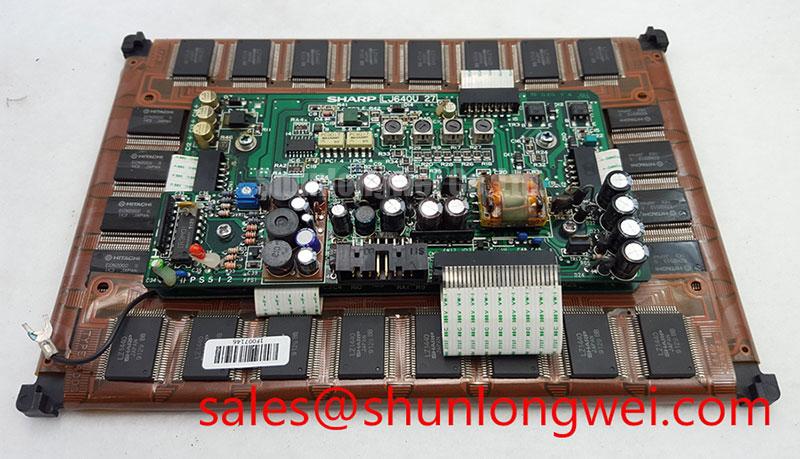
A: No, the module typically integrates the necessary high-voltage circuitry on the rear PCB. System engineers only need to provide the logic supply (Vcc) and the display supply (Vee) voltages as specified in the datasheet.
Q: How does the power consumption of this EL module compare to a backlit LCD?
A: While EL panels can consume more peak power when every pixel is lit (amber-heavy content), their power consumption is dynamic. Only active pixels draw current, unlike LCDs where the backlight must remain fully powered regardless of the displayed content. Effective GUI design using black backgrounds can significantly reduce operational power.
Q: What is the typical lifespan of the phosphor layer in the LJ640U27?
A: Sharp’s TFEL modules are rated for long-term industrial use, often exceeding 50,000 hours to half-brightness. Unlike LCD backlights that dim rapidly over time, the brightness decay in EL displays is highly predictable and linear, allowing for easier maintenance scheduling.
Empowering High-Resilience System Design
The Sharp LJ640U27 represents a strategic choice for engineers who cannot compromise on display uptime. By leveraging the inherent physical advantages of electroluminescent technology, this module overcomes the thermal and mechanical limitations of liquid crystal panels. Its wide viewing angles, near-instantaneous response time, and robust solid-state construction provide the foundational reliability required for sophisticated industrial and medical instrumentation in the most challenging environments.