TT215N22KOF Infineon 2200V 215A Thyristor Module: High-Power Reliability with Pressure Contact Technology
TT215N22KOF Infineon 2200V 215A Thyristor/Thyristor Module
Empowering High-Power Control with Pressure Contact Technology
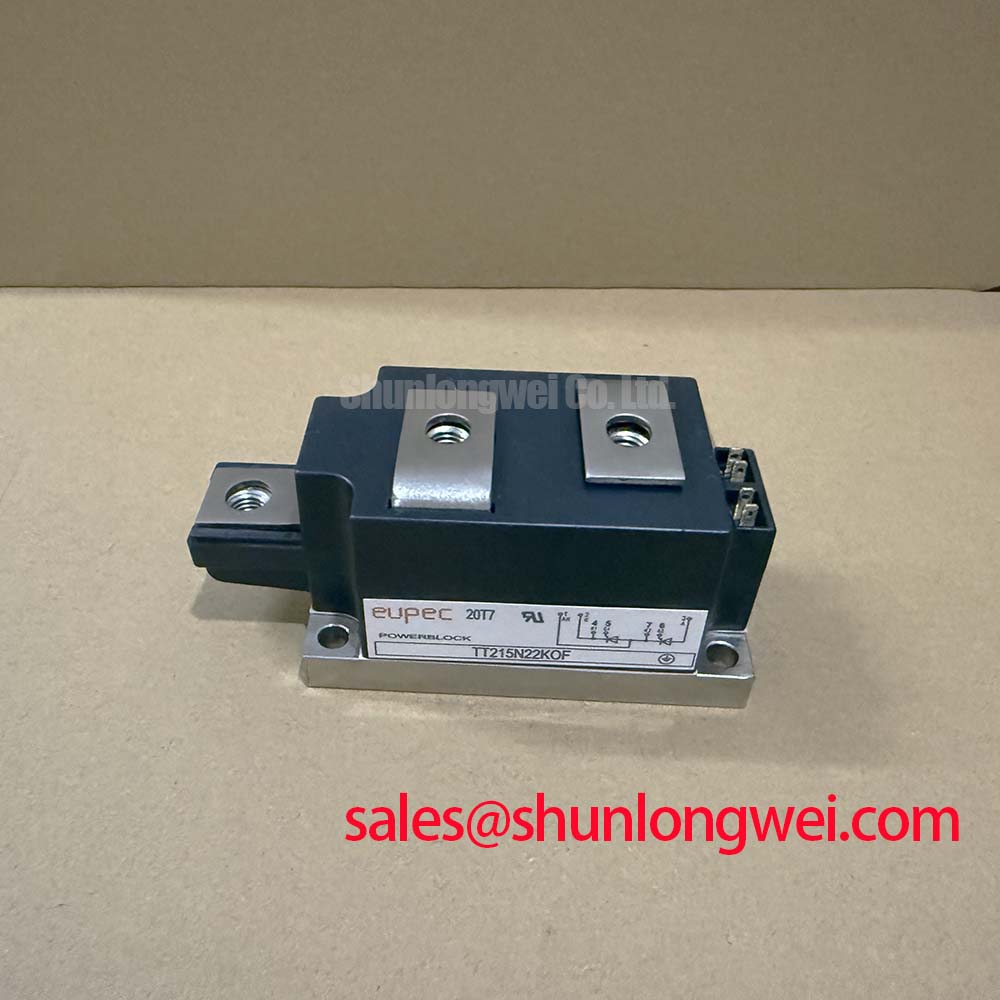
The TT215N22KOF is an industry-standard 50mm thyristor/thyristor module engineered for robust phase control in heavy industrial environments. By utilizing Infineon’s proprietary pressure contact technology, this module provides superior power cycling capability and thermal stability compared to conventional wire-bonded alternatives. It is specifically designed to manage high-voltage AC mains applications where reliability under thermal stress is non-negotiable.
- Core Ratings: 2200V | 215A ($T_C = 85^circ C$) | $I_{TSM} = 8500A$
- Engineering Advantage: Exceptional surge current handling ($I_{TSM}$) reduces the risk of failure during grid transients.
- Thermal Efficiency: Optimized isolated baseplates ensure safe mounting and high heat dissipation.
For engineers asking how to calculate the required heatsink for a 2200V system, the TT215N22KOF datasheet provides detailed transient thermal impedance ($Z_{thJC}$) curves to ensure accurate thermal modeling under varying load cycles.
Download Official TT215N22KOF Datasheet (PDF)
Technical Analysis: Reliability Through Mechanical Integrity
The 2200V blocking voltage ($V_{DRM}$) of the TT215N22KOF provides a critical safety margin for systems operating on 690V AC mains. In high-power applications, voltage spikes are common due to inductive load switching. This high threshold ensures that the device remains in a non-conductive state when required, preventing catastrophic circuit failures. Combined with a low on-state voltage ($V_T$), the module minimizes conduction losses, which is vital for maintaining system efficiency in power semiconductors of this scale.
One of the standout features of the TT215N22KOF is its pressure contact construction. To understand its importance, imagine the thermal interface as a bridge between the semiconductor die and the heatsink. In wire-bonded modules, this bridge is made of thin wires that can fatigue and break over thousands of heating and cooling cycles. In a pressure contact module, the entire surface of the die is pressed against the thermal spreader. This creates a “multi-lane highway” for both current and heat, allowing them to flow more uniformly and reducing localized “hot spots” that lead to premature aging.
Optimized Application Scenarios
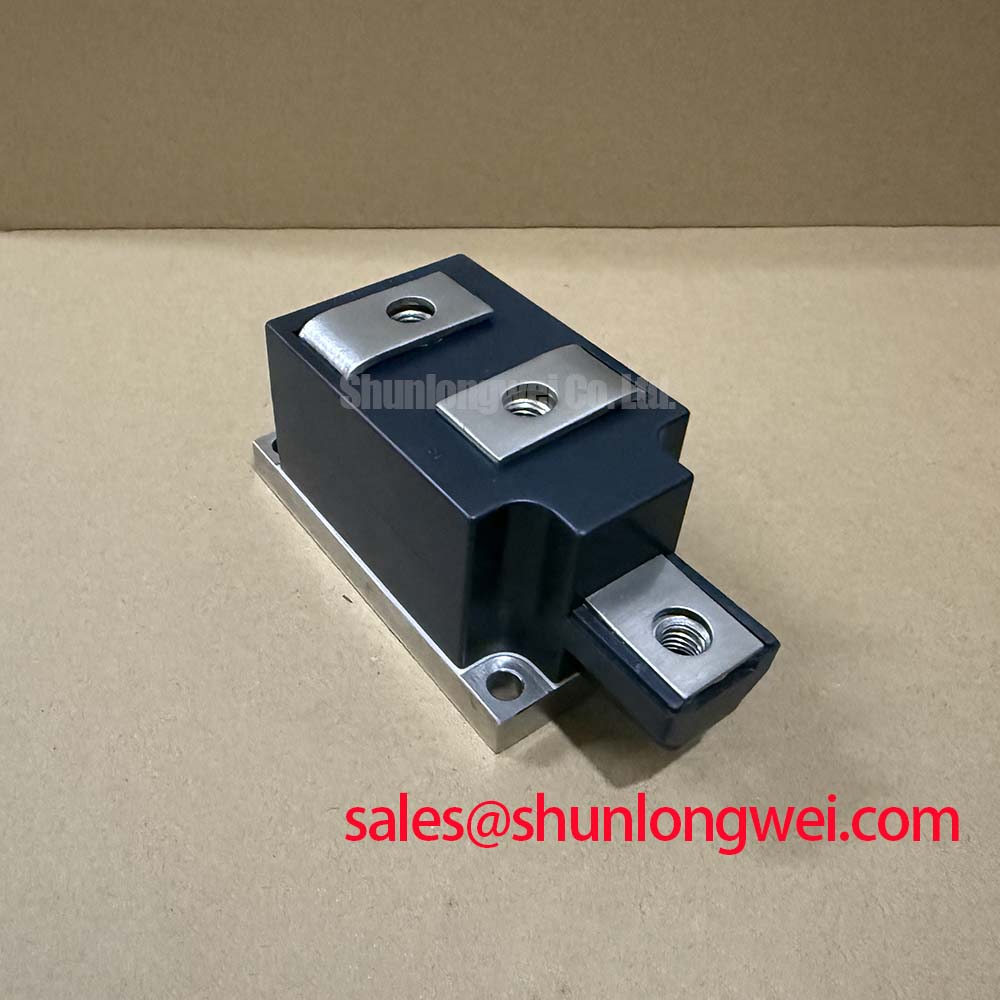
The physical and electrical characteristics of the TT215N22KOF make it suitable for a variety of high-demand industrial roles:
- Soft Starters: The high $I^2t$ rating ($361,000 A^2s$ at $10ms$) handles the massive inrush currents associated with starting large induction motors without degrading the thyristor structure.
- Industrial Rectifiers: Its 2200V rating is ideal for input rectification in environments where line voltage stability is inconsistent.
- Static Var Compensators (SVC): Reliable phase control enables precise reactive power compensation, which is essential for grid stability.
- Heating Control: The high power cycling capability allows for long-term reliability in temperature-controlled ovens and furnaces that require frequent switching.
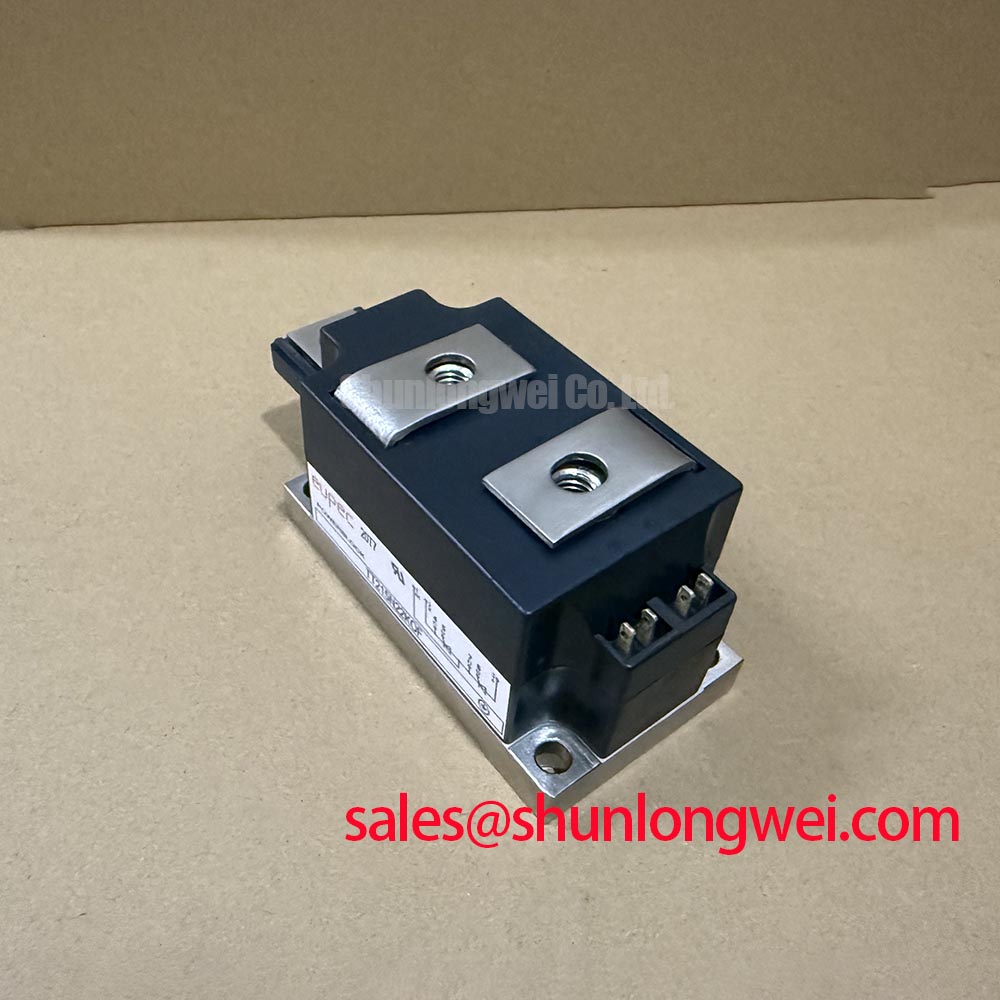
Best Match: Optimized for 690V industrial power systems requiring high surge resilience and efficient thermal management in a standard 50mm footprint.
Key Specifications Table
| Parameter Group | Specification | Value (Typical/Max) |
|---|---|---|
| Absolute Maximum Ratings | Repetitive Peak Forward/Reverse Voltage ($V_{DRM}/V_{RRM}$) | 2200 V |
| Mean On-state Current ($I_{TAVM}$) @ $T_C = 85^circ C$ | 215 A | |
| Surge On-state Current ($I_{TSM}$) @ $10ms, T_{vj} = 25^circ C$ | 8500 A | |
| Electrical Characteristics | Peak On-state Voltage ($V_T$) @ $I_T = 600A$ | max. 1.51 V |
| Gate Trigger Current ($I_{GT}$) @ $T_{vj} = 25^circ C$ | max. 200 mA | |
| Thermal & Mechanical | Thermal Resistance, Junction to Case ($R_{thJC}$) | 0.124 K/W |
| Maximum Junction Temperature ($T_{vj max}$) | 125 °C |
Engineer’s FAQ
Q1: What is the primary benefit of pressure contact technology in the TT215N22KOF?
A: Unlike solder-based modules, pressure contact technology eliminates the risk of solder fatigue and bond-wire lift-off. This significantly improves the device’s life expectancy under heavy power cycling conditions common in motor control and heating applications.
Q2: How does the isolated baseplate affect the system design?
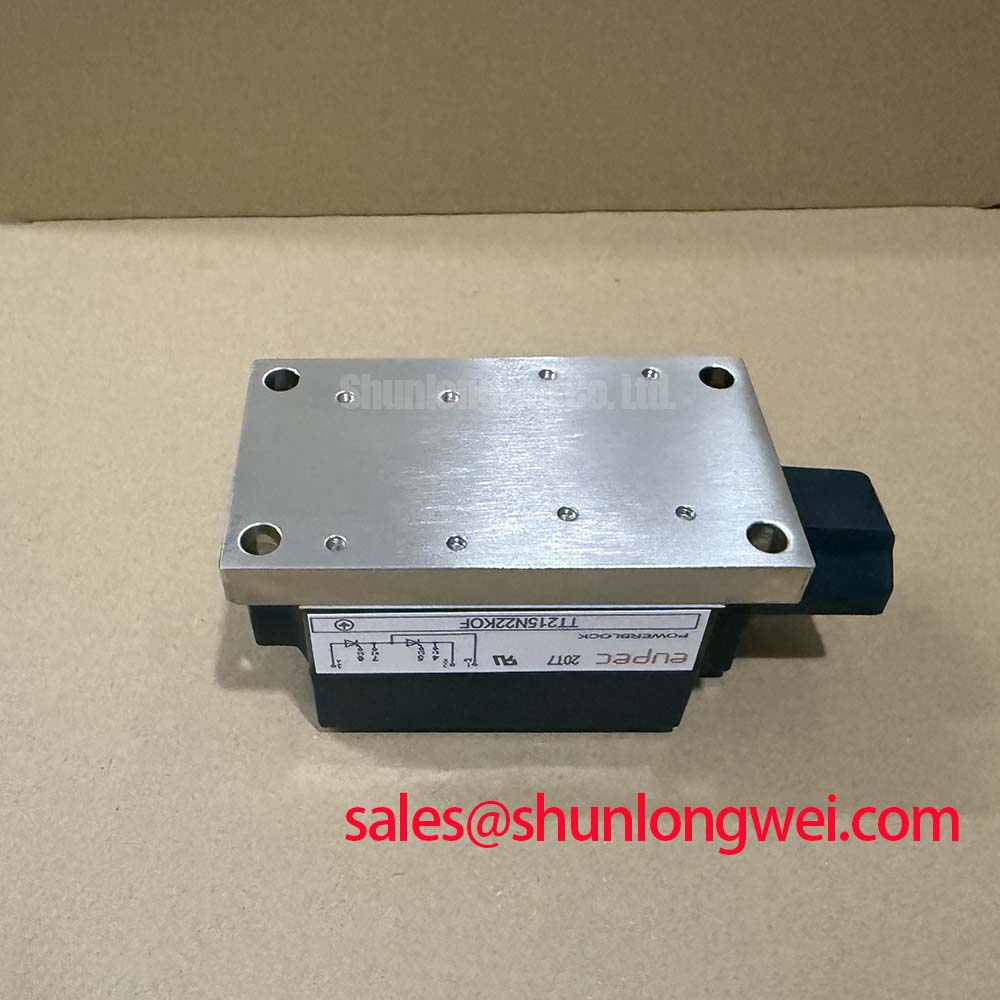
A: The module features an internally isolated baseplate (3000V AC isolation for 1 minute). This allows multiple TT215N22KOF modules to be mounted on a single common heatsink, simplifying the physical layout and reducing the total volume of the cooling assembly.
Q3: Can this module be used for 690V AC mains applications?
A: Yes. The 2200V repetitive peak voltage provides an ample safety margin for 690V grids, effectively protecting the internal semiconductor dies from typical line transients and commutative overvoltages.
The TT215N22KOF represents a high-reliability solution for engineers tasked with controlling high-power loads. Its combination of high blocking voltage, extreme surge current resilience, and advanced mechanical construction enables the design of durable, efficient power conversion systems that meet the rigorous standards of modern industry.