Vicor V24C5H125BL: High-Density 24V to 5V 125W DC-DC Converter with ZCS/ZVS Technology
V24C5H125BL Vicor Micro DC-DC Converter | 24V Input 5V 125W
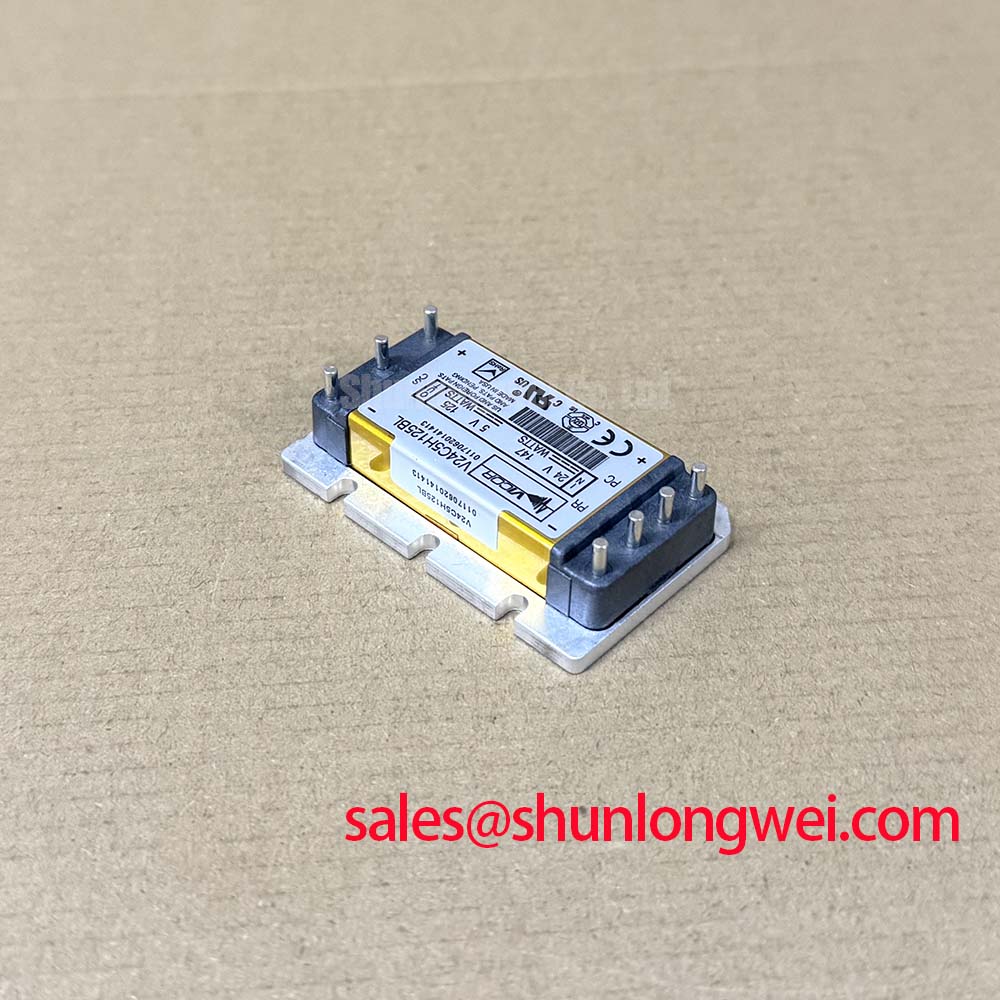
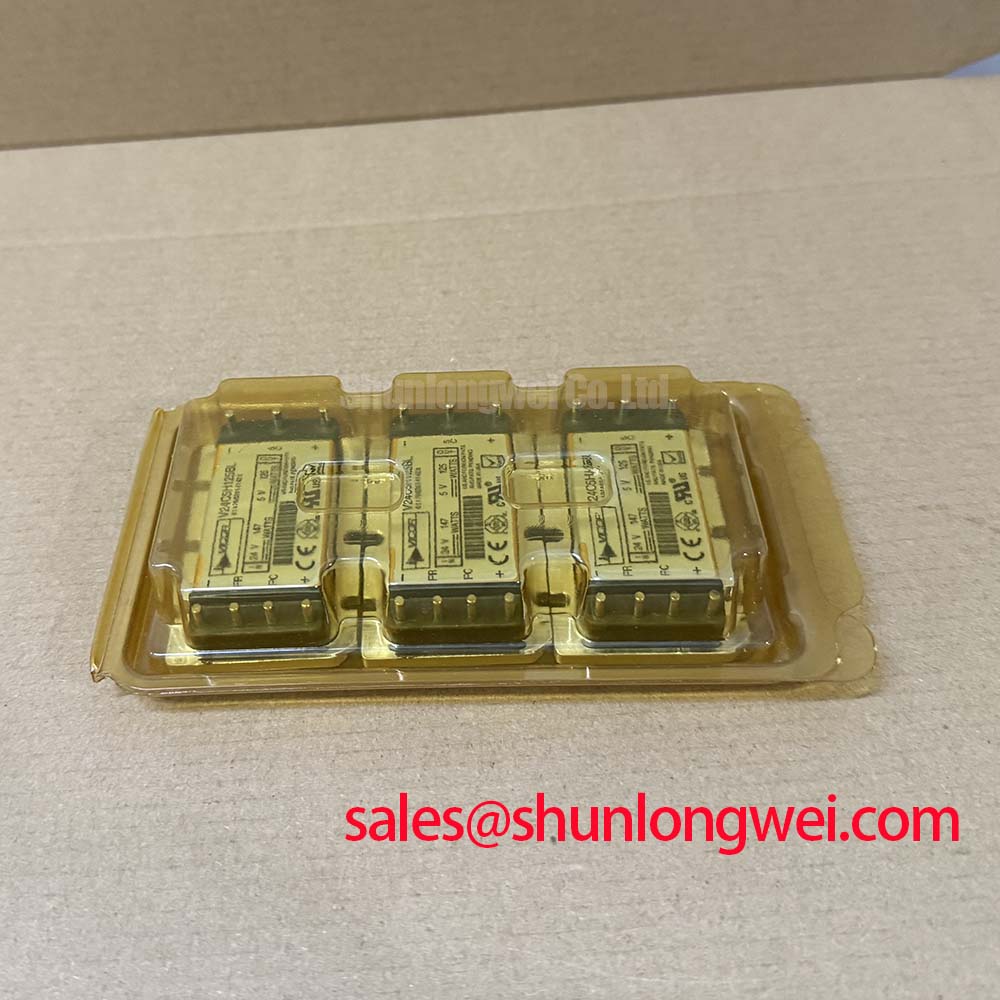
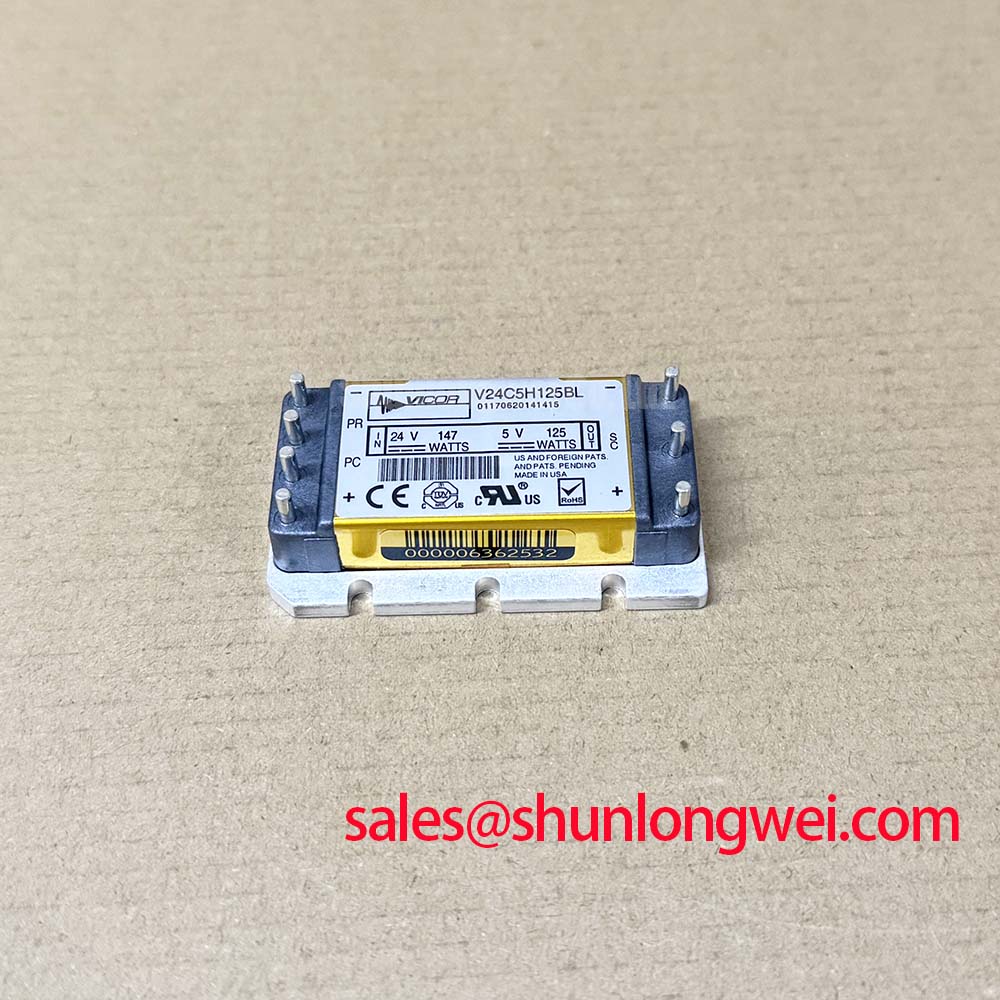
The V24C5H125BL is a high-density, isolated DC-DC converter belonging to Vicor’s renowned Micro Family, engineered to deliver a precise 5V output from a 24V nominal input. By utilizing proprietary ZCS/ZVS (Zero-Current Switching / Zero-Voltage Switching) architecture, this module minimizes harmonic noise and maximizes power density. It provides a robust 125W of power in a compact footprint, effectively bridging the gap between high-performance industrial requirements and strict space constraints on modern PCBs.
- Core Specifications: 24V Input (18-36V Range) | 5V Output | 125W Power Output
- Key Advantages: Significant reduction in electromagnetic interference (EMI) and high thermal efficiency via its isolated baseplate design.
- Engineering Intent: This module addresses the common challenge of maintaining high efficiency in 24V bus architectures while operating across an extended temperature range of -40°C to +100°C.
Download Official V24C5H125BL Datasheet (PDF)
Technical Analysis: Efficiency through ZCS/ZVS Architecture
The technical core of the V24C5H125BL lies in its ZCS/ZVS switching topology. Unlike traditional pulse-width modulation (PWM) converters that force transistors to switch while current and voltage are at peak levels, the Vicor architecture ensures switching occurs at near-zero states. This design virtually eliminates the “switching spikes” that typically contribute to high-frequency noise and power loss. In practical terms, this allows the module to operate at much higher frequencies than conventional converters without the penalty of excessive heat generation.
To understand the engineering significance of this architecture, think of the converter’s switching as a swinging door. Conventional PWM converters are like forcing a door open against a strong wind; it takes significant energy and creates turbulence every time. In contrast, the ZCS/ZVS architecture of the V24C5H125BL is like waiting for the wind to stop before pushing the door. By timing the switch to coincide with zero energy states, the “turbulence” (EMI) and “effort” (energy loss) are drastically reduced.
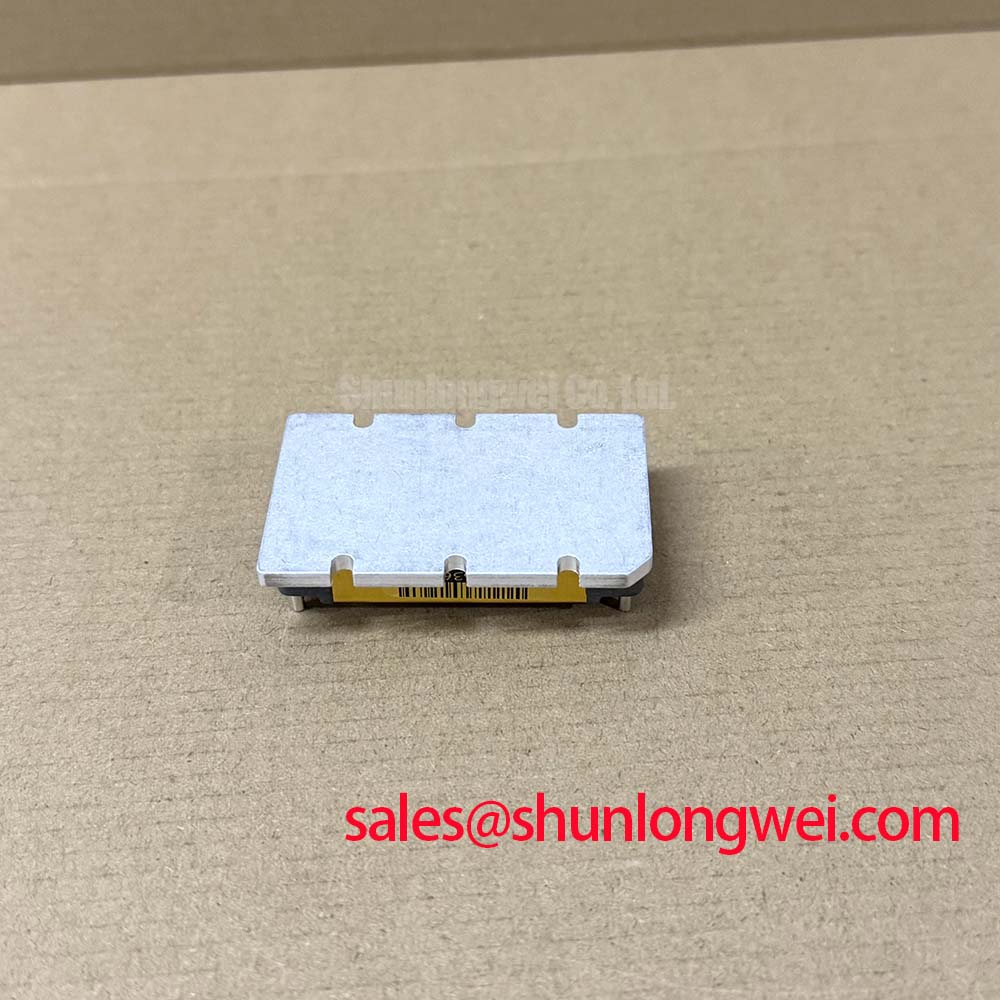
Furthermore, the 18V to 36V wide input range provides resilience against voltage drops or surges commonly found in battery-backed or poorly regulated industrial 24V lines. Combined with a thermal management strategy utilizing the slotted baseplate, engineers can achieve reliable power delivery even in air-restricted environments.

Optimized Application Scenarios
The V24C5H125BL is particularly suited for high-reliability sectors where clean power and thermal stability are non-negotiable:
- Industrial Process Control: Its wide input range and high isolation (3,000 Vrms) make it an ideal choice for PLC and sensor power rails where ground loops must be avoided.
- Military/COTS Systems: The “H” grade temperature rating supports operation in extreme environments, typical of tactical communication hardware.
- Telecommunications: Low ripple and noise characteristics satisfy the stringent requirements of sensitive RF and baseband processing boards.
- Battery-Powered Vehicles: Efficiently converts fluctuating 24V battery voltages to a stable 5V logic supply without requiring bulky external filtering.
Best Match: Ideal for 24V systems requiring 125W of 5V logic power in restricted spaces with high ambient thermal stress.
Key Specifications and Ratings
| Parameter Group | Specification | Value |
|---|---|---|
| Input Specifications | Nominal Input Voltage | 24 VDC |
| Input Voltage Range | 18 – 36 VDC | |
| Input Surge (100ms) | 50 VDC | |
| Output Specifications | Output Voltage | 5 VDC |
| Output Power | 125 Watts | |
| Efficiency (Typical) | 84.5% | |
| Environmental/Mechanical | Operating Temperature | -40°C to +100°C |
| Isolation Voltage | 3000 Vrms | |
| Package Size | Micro (2.28 x 1.45 x 0.5 in) |
Engineer’s FAQ
Q1: What is the benefit of the slotted baseplate in the V24C5H125BL?
A1: The slotted baseplate (“B” style) is designed for optimized mechanical mounting and enhanced thermal transfer. It allows for better integration with customized heat sinks or cold plates, which is critical for maintaining the 125W output at higher ambient temperatures.
Q2: How does the module handle input voltage transients in industrial settings?
A2: The V24C5H125BL features a wide input range of 18-36V and can withstand surges up to 50V for 100ms. For environments with severe transients, Vicor recommends an external input attenuator module to ensure long-term reliability.
Q3: Can multiple modules be paralleled for higher power?
A3: Yes, Vicor Micro modules support paralleling for increased power or redundancy using the PR (Parallel) pin for synchronous load sharing. However, precise PCB layout and identical pin connections are required for balanced current sharing.
The V24C5H125BL stands as a benchmark for high-power DC-DC conversion in small form factors. By leveraging advanced switching topologies and military-grade thermal tolerances, it empowers engineers to build more resilient and efficient power systems for the most demanding industrial applications.