Sharp LQ9P16E: A High-Contrast 9.4-Inch Monochrome VGA LCD for Industrial Applications
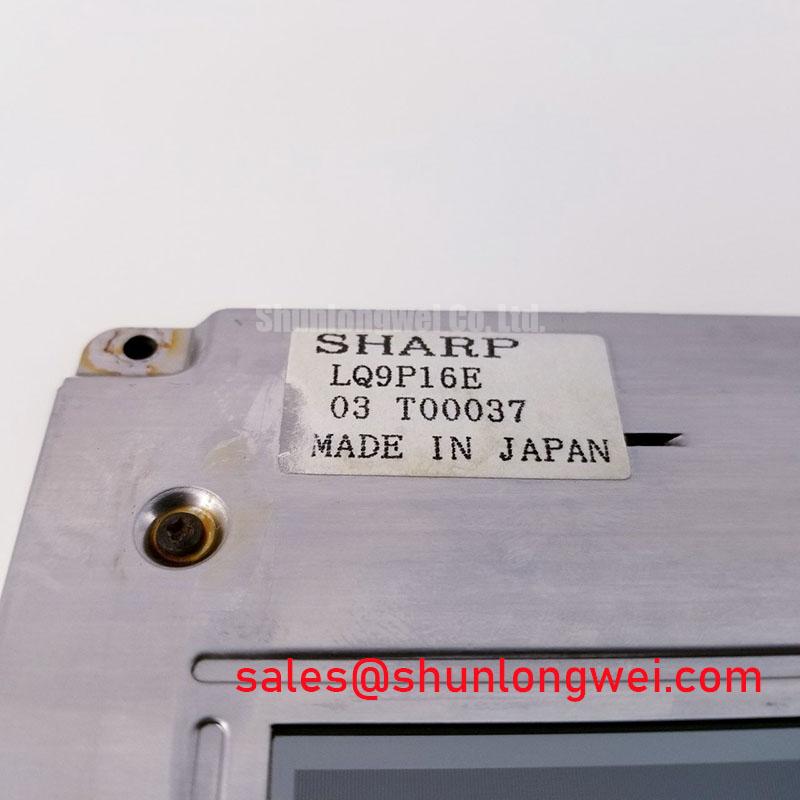
Sharp LQ9P16E 9.4-inch 640×480 Monochrome VGA LCD Display
High-Contrast Industrial Visualization with the Sharp LQ9P16E
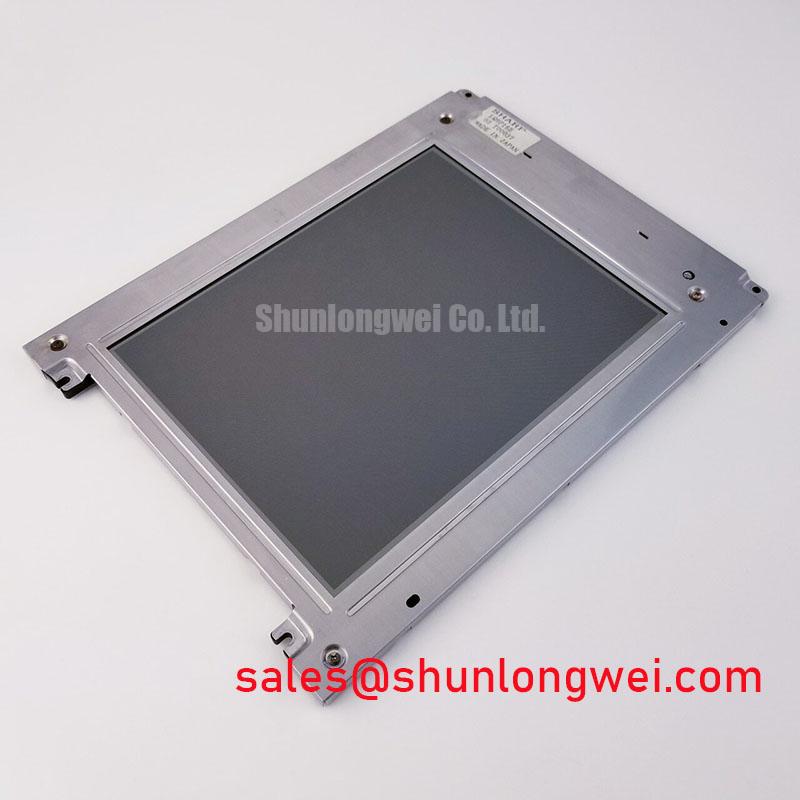
The Sharp LQ9P16E is an industrial-grade 9.4-inch monochrome liquid crystal display (LCD) module utilizing Super-Twisted Nematic (STN) technology. It is specifically engineered to provide crisp, high-contrast VGA resolution (640 x 480 pixels) for specialized machinery and control interfaces. By focusing on monochrome precision rather than color saturation, the LQ9P16E ensures maximum legibility in factory environments where textual data and waveform accuracy are paramount.
Core Specifications:
- Resolution: 640 x 480 Pixels (VGA)
- Technology: Monochrome Passive Matrix STN
- Brightness: 50 cd/m² (Typical)
Engineering Advantages:
- Enhanced Legibility: High contrast ratio (13:1 typical) ensures data is visible even under difficult industrial lighting.
- Simplified Interfacing: Uses a 4-bit parallel data interface, reducing processing overhead for legacy 8-bit and 16-bit microcontrollers.
Engineers often ask, “How do I maintain consistent visibility in legacy HMI systems?” The answer lies in the specific polarization and cell gap design of this module, which minimizes the “ghosting” effects often seen in lesser passive matrix screens.
Download Official Sharp LQ9P16E Datasheet (PDF)
Technical Analysis of STN Performance and Signal Integrity
The unique value proposition of the LQ9P16E centers on its STN architecture. Unlike standard TN panels, STN technology increases the twist of liquid crystal molecules, which significantly improves the steepness of the electro-optical response curve. In practical engineering terms, this allows for higher multiplex rates without a total loss of contrast. You can think of the contrast ratio here like the “loudness” of a signal against background noise; at a 13:1 ratio, the “signal” (the displayed text) remains distinctly separated from the “noise” (the background pixels), preventing operator error in critical readout applications.
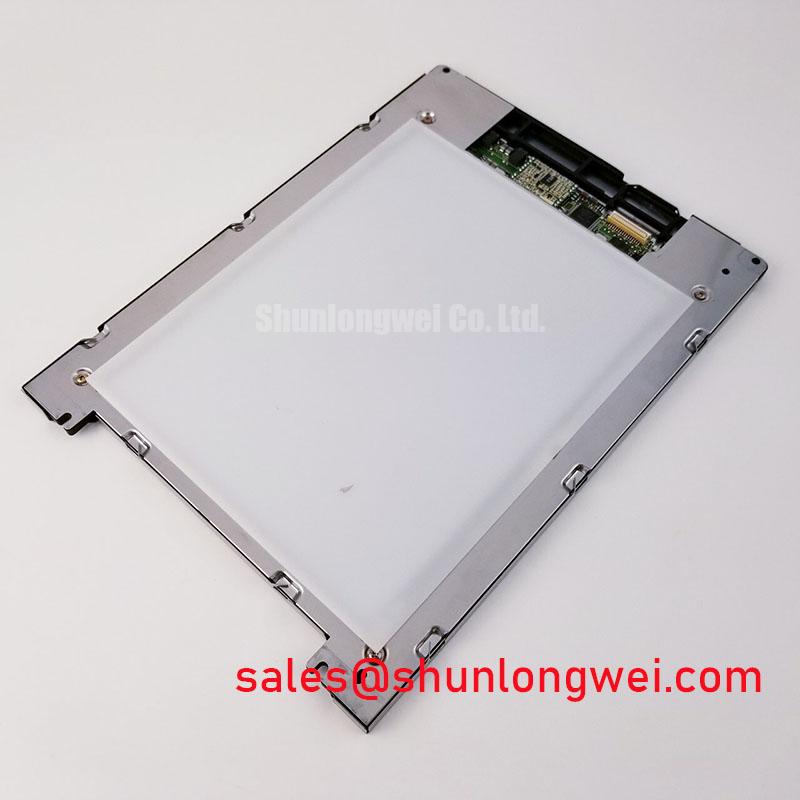
Maintaining signal integrity over the parallel interface is vital. The LQ9P16E datasheet specifies rigorous setup and hold times for the 4-bit data bus. When integrating this with modern embedded systems, designers should prioritize signal integrity and routing to prevent flickering. Additionally, the Cold Cathode Fluorescent Lamp (CCFL) backlight requires a specific high-voltage inverter, which must be carefully managed to avoid electromagnetic interference (EMI) with the low-voltage logic signals.
Optimized Application Scenarios
The LQ9P16E is a staple in several high-demand sectors where reliability is measured in decades rather than years.
- CNC Machinery: The high vibration resistance and monochrome clarity make it ideal for lathe and milling machine displays where color is unnecessary but precision is mandatory.
- Medical Diagnostics: Used in legacy patient monitors and lab analysis equipment requiring stable, flicker-free data representation. Reference our guide on medical display resolution for deeper context.
- Marine Instrumentation: The passive matrix technology provides excellent performance across a wide viewing cone, essential for cockpit-mounted sensors.
- Industrial Robotics: Serves as a robust HMI for robotic arm controllers in older automated assembly lines.
The LQ9P16E is the best match for systems requiring a drop-in replacement for 9.4-inch VGA monochrome panels without changing the existing hardware controller architecture.
Sharp LQ9P16E Critical Specifications
| Category | Parameter | Value |
|---|---|---|
| Physical Structure | Screen Size | 9.4 inch (Diagonal) |
| Active Area | 191.97 x 143.97 mm | |
| Pixel Pitch | 0.30 x 0.30 mm | |
| Electrical Characteristics | Supply Voltage (Logic) | 5.0V (Typical) |
| LCD Driving Voltage | 23.5V (Typical) | |
| Interface Type | 4-bit Parallel | |
| Optical Features | Response Time (Tr+Td) | 350 ms (Typical) |
| Contrast Ratio | 13:1 |
Engineer’s FAQ for the Sharp LQ9P16E
Q1: What is the recommended method for adjusting the contrast on the LQ9P16E?
A: The contrast is highly temperature-dependent. You must provide a variable VEE (LCD driving voltage) to pin 3 of the connector. Using a thermistor-based compensation circuit is recommended to maintain optical clarity across the operating temperature range of 0°C to 40°C.
Q2: How can I maximize the CCFL backlight lifespan?
A: Backlight longevity is primarily affected by the driving current and operational temperature. Refer to our article on backlight lifespan management. Reducing the lamp current via the inverter can extend the life, though it will proportionally lower the brightness.
Q3: Is the LQ9P16E compatible with 3.3V logic systems?
A: The datasheet specifies a VDD of 5.0V. Interfacing directly with a 3.3V MCU may result in unreliable data latching. It is highly recommended to use logic level shifters to ensure the 4-bit parallel data signals meet the minimum high-level input voltage (VIH) requirements.
Reliability in Legacy Display Integration
The Sharp LQ9P16E represents a mature, field-proven solution for industrial visualization needs. Its focus on high-contrast monochrome performance and predictable electrical characteristics empowers engineers to maintain and repair long-lifecycle industrial assets with confidence. By adhering to the datasheet’s specific timing and voltage requirements, this module provides the stability required for demanding factory floors and clinical environments.