Sharp LM80C031X: 11.3″ Industrial Monochrome STN LCD Display for Legacy Systems
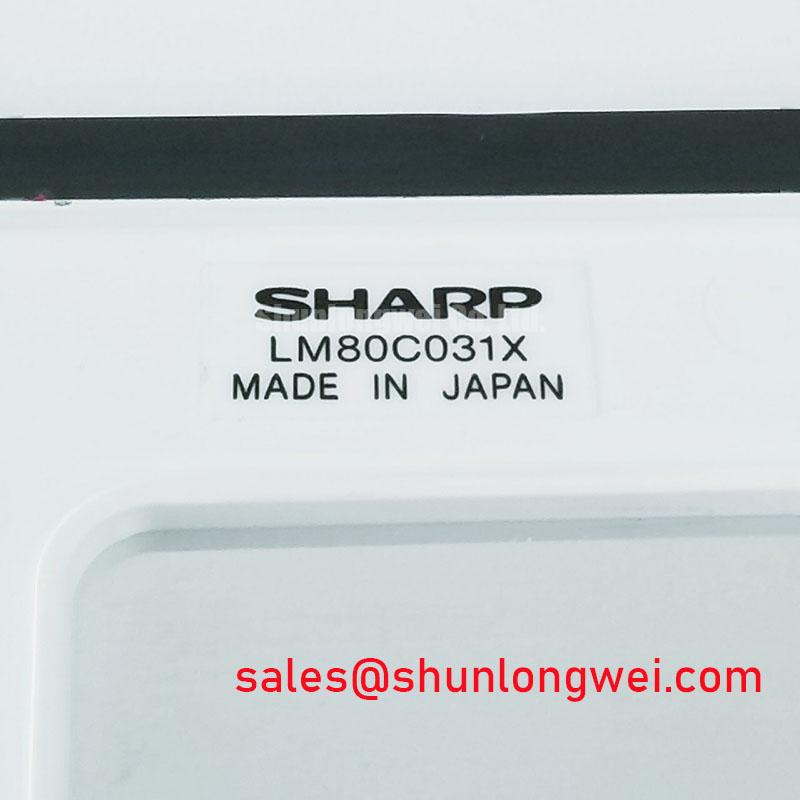
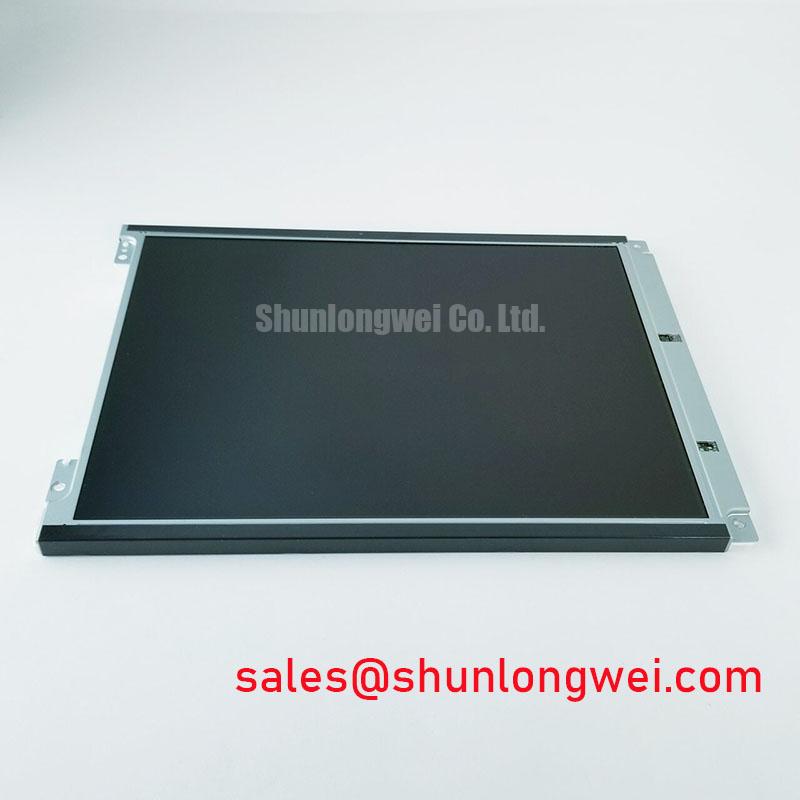
Sharp LM80C031X 11.3″ Industrial Monochrome STN LCD Display
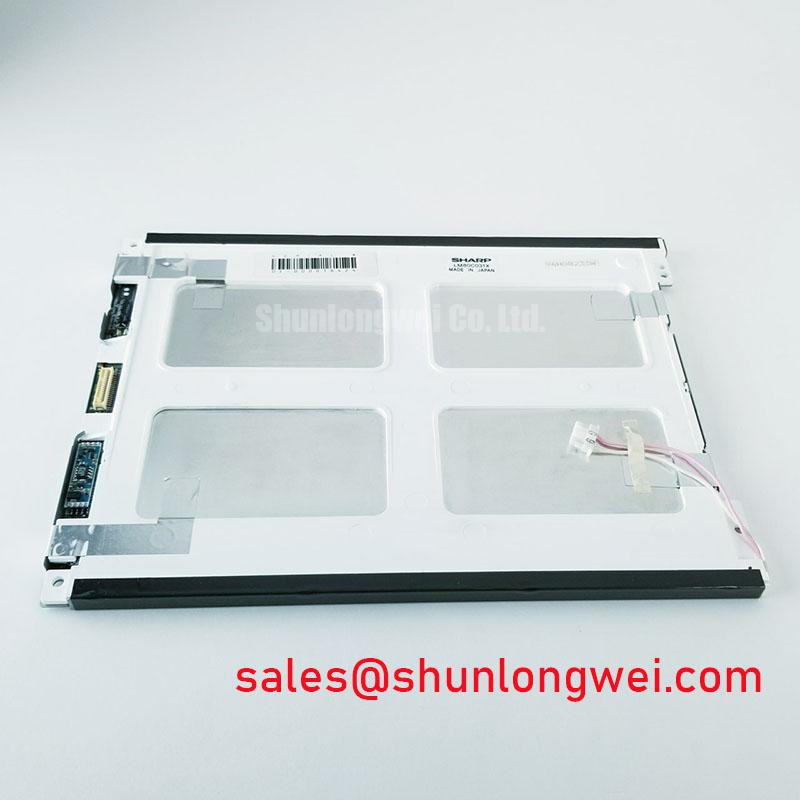
The Sharp LM80C031X is a highly reliable 11.3-inch passive-matrix monochrome STN liquid crystal display serving legacy industrial HMI sustainment. Engineered for robust, long-term performance, this display delivers high contrast and consistent legibility under industrial lighting conditions without complex graphical overhead. Equipped with a 640 x 480 (VGA) resolution and a dedicated CCFL backlight, it provides a physical drop-in fit for older control terminal interfaces requiring passive-matrix signal formats.
Key Specs: 11.3″ Diagonal | 640 x 480 Resolution | Monochrome STN | CCFL Backlight
Engineering Advantages: Direct timing compatibility with legacy controllers, simplified control circuitry, and reliable readability in high-ambient light environments.
For detailed structural configurations and timing diagrams, you can search the manufacturer display catalog for official reference sheets.
Technical Deep Dive and Interface Architecture
Sustaining legacy systems requires a deep understanding of LCD core technology, especially when dealing with passive-matrix addressing. The LM80C031X utilizes Super-Twisted Nematic (STN) technology, which optimizes liquid crystal molecule alignment to achieve sharp contrast ratios. Unlike active-matrix panels, passive-matrix displays rely on multiplexed row and column signals. This design eliminates the need for individual thin-film transistors at each pixel, simplifying the overall silicon complexity and reducing parasitic vulnerabilities.
Think of passive-matrix addressing like a coordinate-based grid of streets. Instead of routing dedicated electrical lines to every single pixel—which would complicate routing like building a dedicated highway for every single house—the multiplexed layout allows a highly simplified row-column grid that remains structurally robust under high-vibration industrial conditions.
To prevent contrast degradation over changing operating temperatures, the driving circuit must adjust the liquid crystal operating voltage. The LM80C031X exhibits a negative temperature coefficient regarding its optimal threshold voltage. Implementing an external thermistor-driven temperature compensation circuit is crucial for preventing display washout or ghosting when operating near the thermal boundaries. For extreme environmental conditions, designing an active extreme temperature compensation layout prevents contrast shifting.
Optimized Industrial Applications
The unique specifications of this display make it highly suitable for several specialized markets:
- Legacy CNC Controllers: Seamlessly matches native video timings of older machining centers without digital conversion artifacts.
- Older Medical Monitors: High-reliability monochrome representation ensures precise waveform plotting without software latency.
- Process Automation Terminals: Operates directly off older logical boards, avoiding expensive system-wide HMI redesigns.
For those looking for comparable display form factors with similar legacy integration pathways, reviewing the Sharp LM80C312 offers an alternative baseline.
Best Match: The LM80C031X is ideal for industrial display retrofitting where drop-in structural compatibility and exact passive signal timing take precedence over modern color rendering.
Key Technical Specifications
| Category | Parameter | Value (Typical) |
|---|---|---|
| Physical & Display Dimensions | Diagonal Size | 11.3 inches (28.7 cm) |
| Resolution | 640 x 480 (VGA) | |
| Display Mode | STN Monochrome (Passive Matrix) | |
| Aspect Ratio | 4:3 | |
| Electrical Specifications | Logic Supply Voltage (VDD) | 5.0 V |
| LCD Driving Voltage (VEE) | -22.0 V to -26.0 V (dynamic range) | |
| Input Interface | Parallel Data Input | |
| Optical & Environmental | Backlight Source | CCFL (Cold Cathode Fluorescent Lamp) |
| Operating Temperature | 0°C to +45°C |
Engineer’s Frequently Asked Questions (FAQ)
Q1: How do I adjust the contrast on the LM80C031X dynamically?
A1: Passive STN contrast relies heavily on the difference between the logic supply voltage (VDD) and the negative driving voltage (VEE). Designers should utilize a dedicated potentiometer or an analog control output to adjust the VEE rail dynamically to compensate for liquid crystal viscosity changes.
Q2: Can the legacy CCFL backlight in the LM80C031X be upgraded to LED?
A2: Yes, third-party LED rail conversion kits are available. However, when executing an LED upgrade, engineers must completely bypass the high-voltage CCFL inverter circuit and feed the new LED strip with a regulated low-voltage DC rail (typically 5V or 12V) to prevent signal noise on the logical lines.
Q3: What interface timings does this panel require?
A3: The module relies on standard passive-matrix parallel logic, necessitating continuous clocking of latch pulses (LP) and frame pulses (FLM) alongside the synchronous parallel data. Jitter on the latch clock can cause pixel crosstalk, so clean differential routing and signal termination on the custom interface PCB are highly recommended.
The Sharp LM80C031X remains a trusted, high-performance display block for sustaining legacy industrial infrastructure. By delivering reliable contrast, timing compatibility, and simple logic requirements, it allows engineers to prolong the lifecycle of critical machinery and maintain high visual standards without embarking on costly firmware redesigns.