Kyocera KCS3224ASTT-X8 CSTN LCD Display Panel: Technical Analysis and Application Guide
Kyocera KCS3224ASTT-X8 CSTN LCD Display Panel
Introduction and Core Highlights
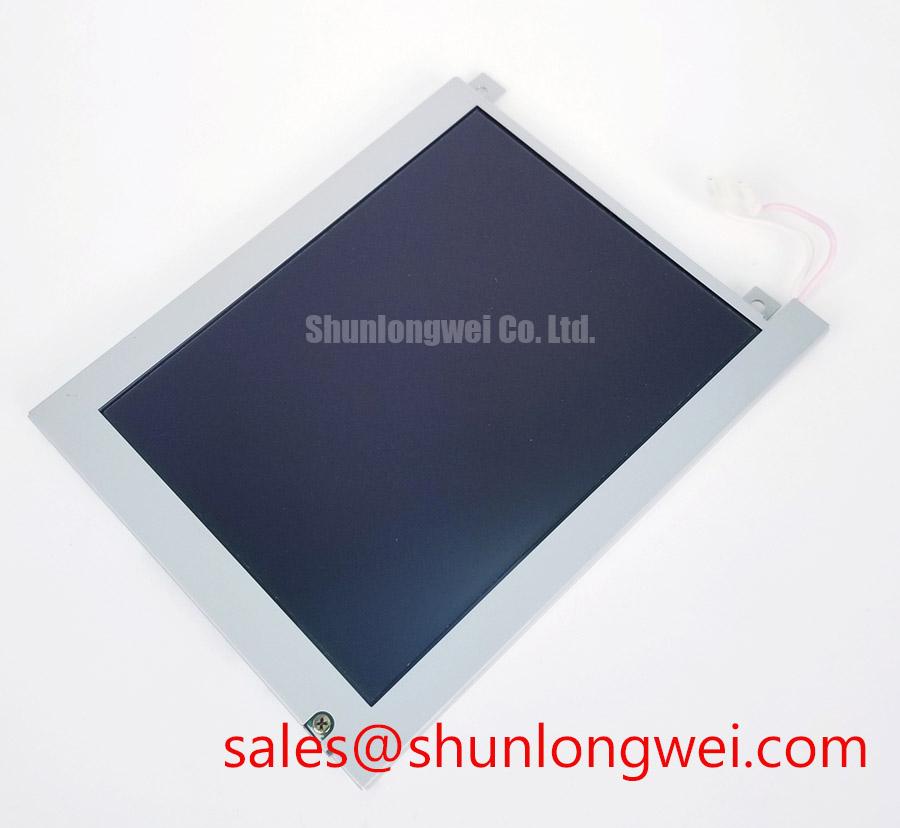
The Kyocera KCS3224ASTT-X8 is a legacy 5.7-inch CSTN-LCD display module designed for industrial control systems requiring cost-effective color visualization. Operating at a QVGA resolution of 320×240 pixels, this passive-matrix screen provides a reliable display output for legacy human-machine interfaces. For engineers managing legacy system sustainment, finding exact drop-in replacements like this display prevents costly system redesigns.
- Core Specifications: 5.7-inch CSTN | 320×240 QVGA | CCFL Backlight | Parallel Interface
- Key Benefits: Drop-in compatibility for mature industrial systems and optimized power consumption for passive matrix architectures.
Download Official Datasheet (PDF)
Around-UVP Technical Analysis
CSTN (Color Super-Twisted Nematic) displays like the KCS3224ASTT-X8 utilize passive matrix addressing. The liquid crystal molecules are twisted by up to 270 degrees. This high twist angle provides a steeper electro-optical transfer curve compared to standard TN displays. Consequently, it allows higher multiplexing rates to drive a 320×240 matrix without dedicated thin-film transistors at each pixel. While CSTN technology exhibits slower response times (typically 300ms) and lower contrast ratios (typically 30:1) than modern IPS panels, it represents a highly cost-efficient display solution for text-heavy and basic graphical outputs in legacy hardware.
A primary challenge with passive matrix liquid crystals is their susceptibility to temperature-induced contrast drift. As the ambient temperature changes, the viscosity and birefringence of the liquid crystal fluid alter. This shifts the optimal operating voltage (Vop). Think of the liquid crystal fluid as engine oil. It becomes thicker in the cold and thinner in the heat, which changes how easily it flows—or in this case, how it rotates light. To prevent the screen from fading or turning completely dark, designers must implement a temperature-compensated power supply. This adjusts the contrast voltage (Vee) dynamically to maintain a stable 30:1 contrast ratio across the 0°C to 50°C operating window.
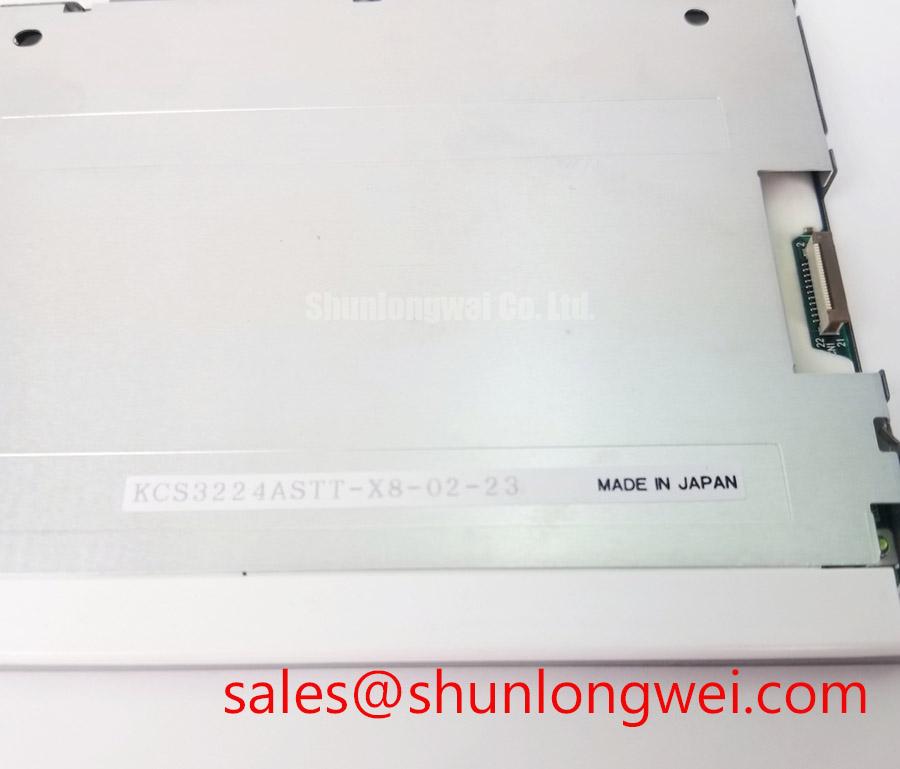
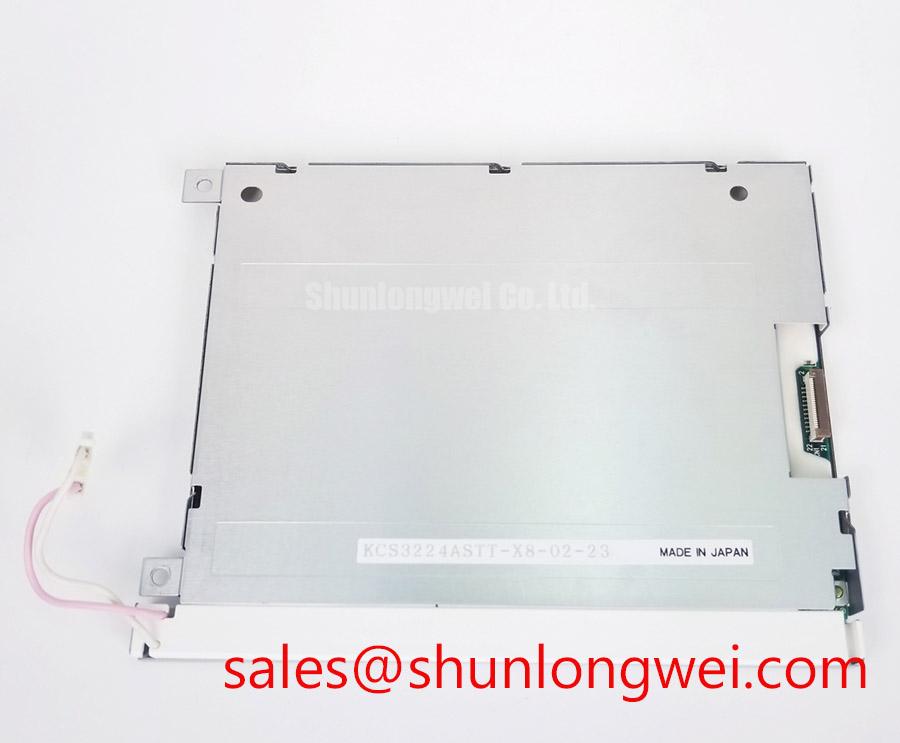
This module features a single CCFL backlight tube. It delivers a typical luminance of 110 cd/m². The parallel data interface enables direct connection to legacy microcontrollers and display controllers. This interface requires precise timing control for latching pixel data. It is crucial to adhere to the specified setup and hold times in the datasheet to prevent horizontal crosstalk or ghosting. For newer projects requiring similar physical footprints, engineers often compare these parameters to modern KCS3224ASTT-X3 display modules to evaluate system upgrade paths.


Optimized Application Scenarios
- Legacy CNC Machining Centers: The KCS3224ASTT-X8 serves as a replacement display for older CNC control panels, matching original parallel timing configurations without firmware modifications.
- Industrial Test Equipment: Used in legacy oscilloscopes and spectrum analyzers. The QVGA resolution provides clear readouts for waveforms and parameters.
- Text-Based HMI Terminals: Ideal for older factory terminals. It displays essential operational metrics without demanding high-end graphic controllers. Learn more about smart factory HMI specifications to understand display integration requirements.
- Medical Diagnostic Systems: Fits legacy monitoring consoles. It provides consistent color status indicators under controlled indoor environments. Refer to our LCD core technology resources for legacy panel maintenance.
The KCS3224ASTT-X8 is best suited as a drop-in replacement panel for legacy industrial machinery requiring standard 5.7-inch QVGA color screens.
Key Technical Specifications
| Absolute Maximum Ratings | |
|---|---|
| Logic Supply Voltage (Vdd) | -0.3V to 6.0V |
| Input Voltage (Vi) | -0.3V to Vdd + 0.3V |
| Operating Temperature | 0°C to 50°C |
| Storage Temperature | -20°C to 60°C |
| Electrical & Optical Characteristics (Ta = 25°C) | |
| Display Technology | CSTN-LCD (Passive Matrix Color) |
| Screen Diagonal | 5.7 inches (14 cm) |
| Resolution | 320 (W) x 240 (H) dots (QVGA) |
| Luminance (typ.) | 110 cd/m² |
| Contrast Ratio (typ.) | 30:1 |
| Response Time (Rise/Decay typ.) | 150 ms / 150 ms (Total 300 ms) |
| Backlight Source | 1x CCFL (Replaceable) |
| Interface Type | Parallel Data Input |
Engineers FAQ
Q: How can I resolve contrast fading on the KCS3224ASTT-X8 when operating temperatures fluctuate?
A: Since CSTN liquid crystals drift with temperature, you must design a drive circuit that adjusts the liquid crystal drive voltage (Vee) based on thermistor feedback. This maintains the optimal Vop across the 0°C to 50°C operating range.
Q: Can the CCFL backlight of the KCS3224ASTT-X8 be replaced with an LED driver?
A: Modifying the backlight requires removing the CCFL tube and installing a compatible LED strip with an appropriate constant-current driver. Ensure any structural modifications do not compromise the module’s seal or introduce mechanical stress.
Q: Does this display module meet standard vibration and shock requirements for heavy machinery?
A: The KCS3224ASTT-X8 is built for industrial applications, but legacy CCFL tubes are more fragile than solid-state LED backlights. For high-vibration applications, consult our vibration and shock resistance guidelines to implement proper dampening.
Ending Statement
The Kyocera KCS3224ASTT-X8 CSTN display offers an effective solution for maintaining legacy industrial systems. By providing drop-in compatibility and reliable QVGA color display output, it allows engineers to extend the lifecycle of operational machinery without the overhead of complete hardware redesigns.