Kyocera KCS3224ASTT-X3: An Integrated QVGA Display for Simplified System Design
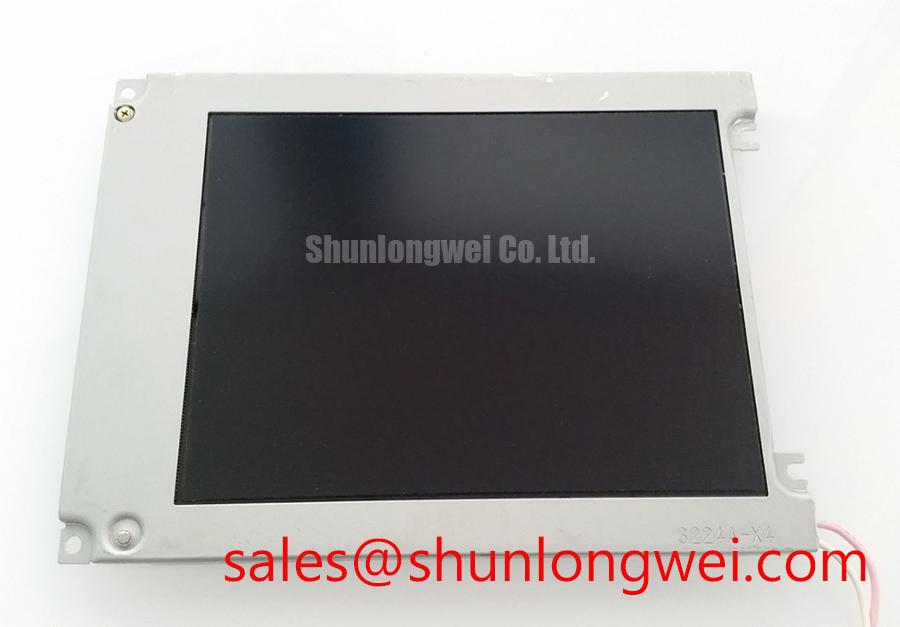
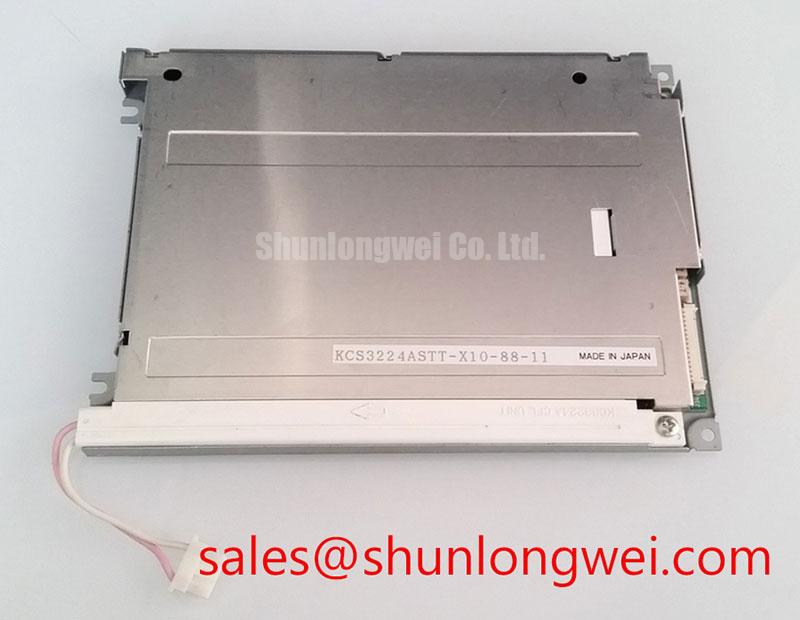
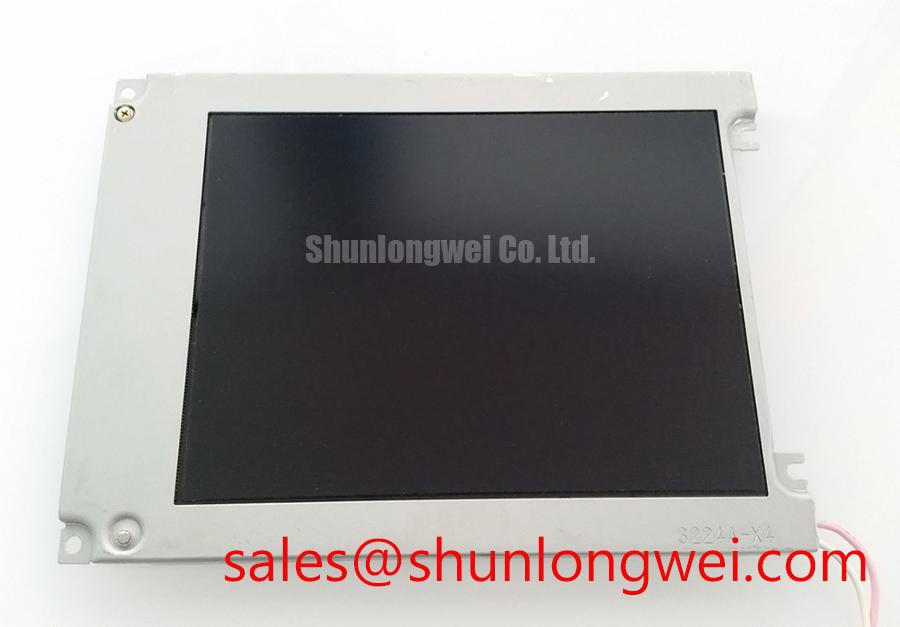
Kyocera KCS3224ASTT-X3 5.7″ QVGA STN LCD Module
Introduction and Core Highlights
The Kyocera KCS3224ASTT-X3 is a Color STN LCD module engineered for straightforward integration into industrial equipment, offering a reliable QVGA display solution. Its defining value is the inclusion of a built-in controller and CCFL backlight inverter, which significantly simplifies the host system’s design and driver development. This integrated approach provides a practical path for implementing clear, functional human-machine interfaces where development speed and component consolidation are key objectives.
- Core Specifications: 5.7-inch Diagonal | 320 x 240 (QVGA) Resolution | 4,096 Colors
- Key Engineering Advantages: Reduces external component count with a built-in controller and backlight driver, streamlining the design process.
- Interface Simplicity: Utilizes a 4-bit digital interface (L/S, D0-D3) for direct connection to a system’s logic.
Download Official Datasheet (PDF)
Technical Analysis of Integrated Design
The primary engineering benefit of the KCS3224ASTT-X3 is its high level of integration. The module incorporates a timing controller directly on the panel, which manages the gate and source driver signals. This eliminates the need for the host processor to generate precise, high-speed timing signals like a dot clock (CLK), horizontal sync (HSYNC), or vertical sync (VSYNC). Instead, the system communicates through a simplified 4-bit parallel data interface, significantly reducing the software and hardware complexity of the display driver stage. This built-in controller functions like a dedicated translator for the display; rather than the host system needing to learn the display’s complex signaling language, the controller manages the conversation, ensuring clear data presentation with minimal overhead.
Further simplifying integration, the module includes a dedicated inverter for its single Cold Cathode Fluorescent Lamp (CCFL) backlight. This design removes the need for sourcing and qualifying a separate high-voltage inverter board, a component that often presents challenges related to EMI shielding and board layout. The entire module can be powered by a standard +5V logic supply and a +12V supply for the backlight, enabling a more straightforward power architecture. While CCFL technology has a defined lifespan (typically 25,000 hours to half-brightness), its inclusion as a complete subsystem makes the KCS3224ASTT-X3 a self-contained display solution.
Optimized Application Scenarios
The KCS3224ASTT-X3 is well-suited for applications where a clear, functional display is required without the complexity of modern high-resolution interfaces. Its specifications are a strong match for:
- Industrial Control Panels: The 320×240 resolution is ideal for displaying machine status, process variables, and simple graphical menus, a common requirement in smart factory HMI systems.
- Test and Measurement Equipment: Its self-contained design simplifies the architecture of benchtop or portable diagnostic tools, where internal space is often limited.
- Legacy System Sustainment: A viable replacement module for aging industrial equipment that was originally designed with a QVGA display and parallel interface.
- Point-of-Sale (POS) Terminals: Effective for displaying transaction details and operator prompts where basic color and graphics are sufficient.
With its integrated controller and straightforward power requirements, this module is an excellent match for cost-sensitive projects requiring long-term availability of a standard display format.
Key Specification Parameters of the KCS3224ASTT-X3
| Display Characteristics | |
|---|---|
| Display Mode | STN, Transmissive |
| Screen Size (Diagonal) | 5.7 inches (14 cm) |
| Resolution | 320 x 240 dots (QVGA) |
| Active Area | 115.2 (W) x 86.4 (H) mm |
| Pixel Pitch | 0.36 (W) x 0.36 (H) mm |
| Number of Colors | 4,096 |
| Contrast Ratio (Typical) | 30:1 |
| Response Time (Typical) | 350 ms (Tr + Td) |
| Electrical and Environmental | |
| Logic Supply Voltage (Vdd) | +5.0 V |
| Backlight System | CCFL with built-in inverter |
| Backlight Supply Voltage | +12.0 V |
| Operating Temperature | 0°C to +50°C |
| Storage Temperature | -20°C to +60°C |
Engineer FAQ
- What are the essential interface signals for the KCS3224ASTT-X3?
- The primary interface signals, as per the datasheet, are DISP (Display On/Off), L/S (Data/Command select), and the 4-bit data bus (D0 to D3). A clock signal (CK) is also required for data latching. This streamlined interface avoids the complexity of direct RGB or LVDS connections.
- Does this display module require an external high-voltage inverter for the backlight?
- No, it does not. The KCS3224ASTT-X3 features a built-in inverter for the CCFL backlight. You only need to provide a standard +12V DC input to power the entire backlight system, which simplifies the overall power supply design and reduces EMI concerns.
- What is the expected operational life of the CCFL backlight?
- The official datasheet specifies a typical backlight lifetime of 25,000 hours when operated under normal conditions (25°C). This is the time until the brightness degrades to 50% of its initial value. It’s a critical parameter for calculating the maintenance schedule of the end product.
- Can this display operate in environments below freezing?
- The specified operating temperature range is 0°C to +50°C. Operation below 0°C is not guaranteed and may lead to a significant increase in response time, lower contrast, or potential damage. For sub-zero applications, a display with a wider temperature range and potentially a built-in heater would be required. Proper thermal management is crucial.
Enabling Straightforward System Design
The Kyocera KCS3224ASTT-X3 provides a complete display solution for engineers developing or maintaining systems with QVGA resolution requirements. By integrating the timing controller and backlight inverter, this module allows for accelerated development and a simplified bill of materials. It is a proven component for creating clear and functional user interfaces in a wide range of industrial control and monitoring applications.