AUO M150XN07 V1 15.0-Inch Industrial TFT-LCD Display Panel: Technical Overview and Specifications
AUO M150XN07 V1 Industrial 15.0-Inch TFT-LCD Display Panel
Introduction and Core Product Specifications
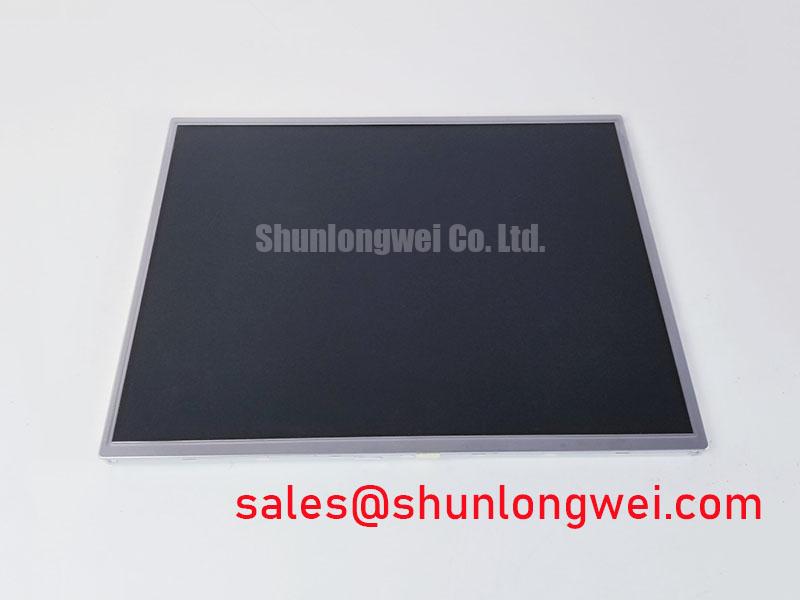
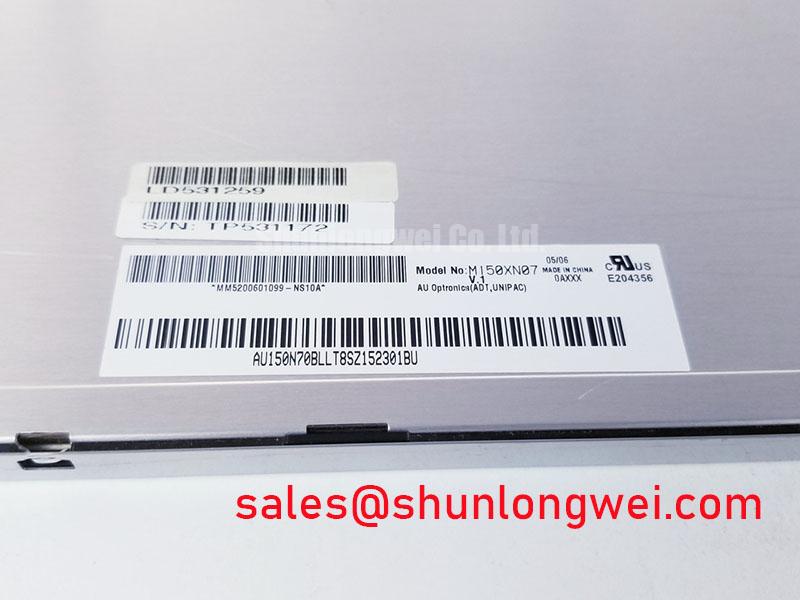
The M150XN07 V1 is a high-reliability, 15.0-inch amorphous silicon TFT-LCD module manufactured by AU Optronics (AUO). Engineered to deliver stable visualization under industrial environments, this display combines a standard XGA resolution with a robust interface structure. This module serves as a reliable integration path for legacy upgrades and specialized control terminal designs requiring long-term consistency.
- Active Screen Diagonal: 15.0 inches (38cm)
- Native Resolution: 1024 x 768 (XGA)
- Luminance: 250 cd/m² (Typical)
- Contrast Ratio: 500:1 (Typical)
Explore Advanced LCD Technology Solutions
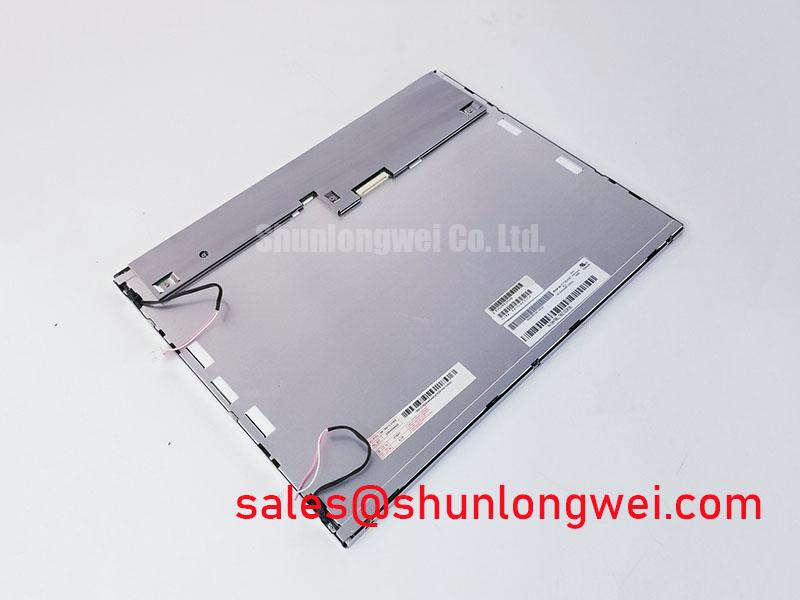

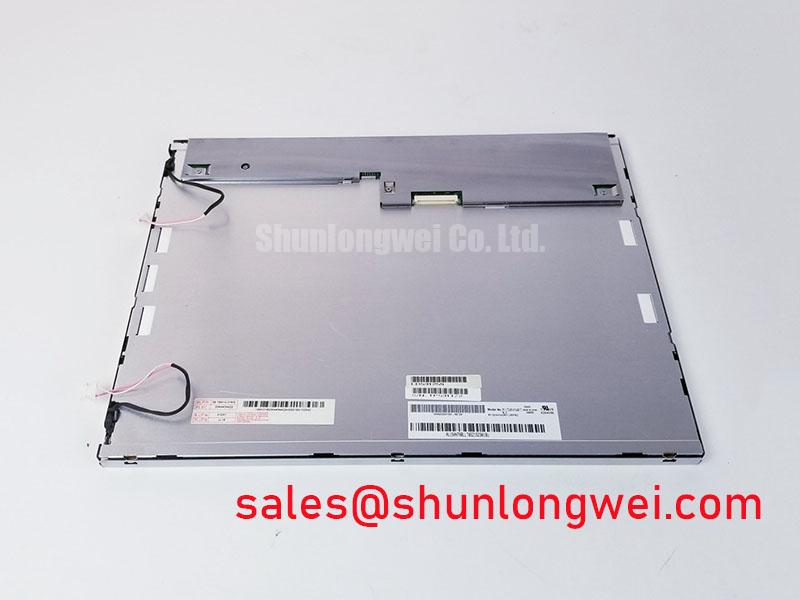
Technical Analysis and Engineering Design Values
The integration of the M150XN07 V1 requires careful attention to its signaling and electrical characteristics to optimize display performance. Operating with a single-channel LVDS Interface supporting 6-bit or 8-bit color depth, the module enables a pallet of up to 16.2 million colors. This digital transmission method significantly reduces electromagnetic interference (EMI) issues, making the module suitable for close-proximity layout configurations alongside power switching electronics.
From an optical standpoint, the display features a response time of 16ms (typical, rise + fall time). This metric defines the speed at which liquid crystal cells transition state. You can think of this response time as the viscosity of a fluid; a lower response time means the crystals rotate faster, preventing visible ghosting or trailing artifacts during data updates on screen. A complete guide on achieving optimum response profiles can be found in our technical article on achieving motion clarity in industrial displays.
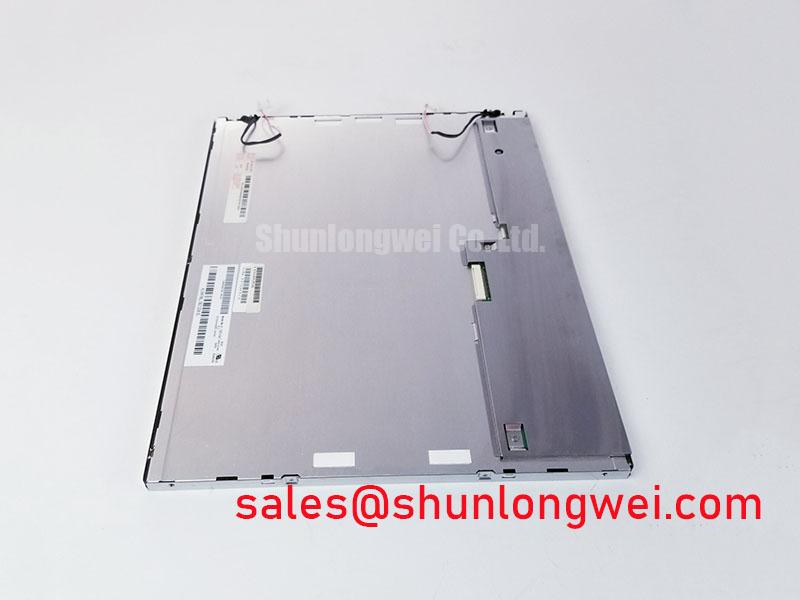
The panel relies on a dual cold cathode fluorescent lamp (CCFL) backlight structure. For systems developers, stabilizing the lamp current via precise inverter calibration is critical to prevent thermal hotspots and trace degradation of the optical polarizers. Managing thermal loads in sealed enclosures is detailed in our design review on thermal management for industrial displays.
Optimized Application Scenarios
- Factory Automation Terminals: Fits directly into human-machine interfaces (HMIs) due to its standard 4:3 aspect ratio and XGA resolution, which align with legacy software configurations.
- Medical Monitoring Systems: Ideal for patient displays requiring stable 262K/16.2M color reproduction for accurate chart rendering.
- Transportation Control Cabinets: The robust frame assembly mitigates mechanical stress under low-to-medium vibration installations.
Best Match: Standard 4:3 industrial control enclosures requiring legacy LVDS signaling compatibility.
M5: Key Technical Specifications
| Parameter Category | Specification Description | Value / Rating |
|---|---|---|
| Electrical | Input Voltage (Logic) | 3.3 V (Typical) |
| Optical | Viewing Angles (L/R/U/D) | 70° / 70° / 65° / 60° (Typical, CR > 10) |
| Physical | Outline Dimension | 326.5 x 253.5 x 12.0 mm (Typical) |
| Environmental | Operating Temperature | 0 °C to +50 °C |
| Backlight | Lamp Lifetime (CCFL) | 50,000 Hours (Typical to 50% brightness) |
Engineer FAQ
What are the recommended gate or source driver constraints to avoid image flicker on the M150XN07 V1?
To avoid flicker, ensure the input frame rate matches the typical 60Hz frequency (50Hz to 75Hz limit) and that VCOM DC bias voltage is adjusted to minimize residual charges on the liquid crystal cells. Proper layout techniques are discussed in our guide to industrial LCD dimming and operator well-being.
Can this display operate reliably in environments subject to continuous vibration?
The M150XN07 V1 features a metal bezel configuration. However, for high-impact applications, system-level mechanical dampening and secure mounting bracket spacing are recommended to prevent internal backlight lamp displacement. For details, consult our technical post on vibration and shock resistance for industrial displays.
What is the recommended interface setup for long-distance signal routing to the panel?
Because the module uses a 1-channel LVDS interface, signal paths longer than 30 cm should use shielded twisted pair (STP) cabling with characteristic differential impedance matched to 100 ohms. This preserves signal transition edges and prevents data corruption.
Final Statement
The M150XN07 V1 provides a standard, industrially proven display platform offering XGA resolution and legacy LVDS design compatibility. Through careful electrical and thermal integration, engineers can leverage this component to meet the long operational life cycles demanded by industrial HMIs and monitoring hardware.