A Technical Review of the GT080S0M-N12-1QP2 Industrial Display
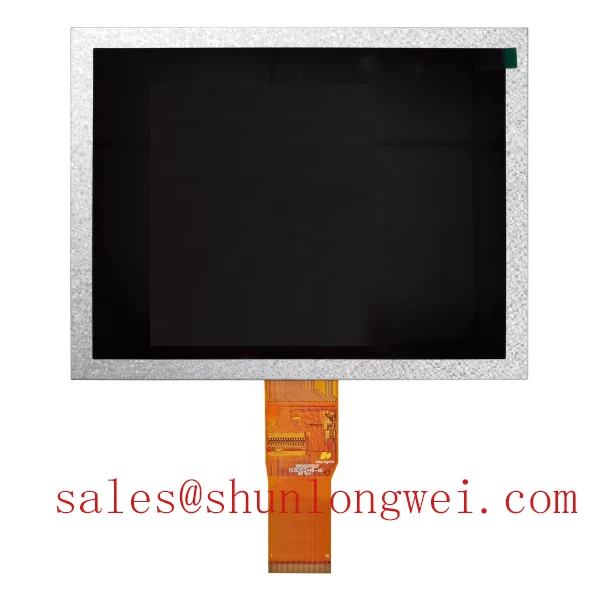
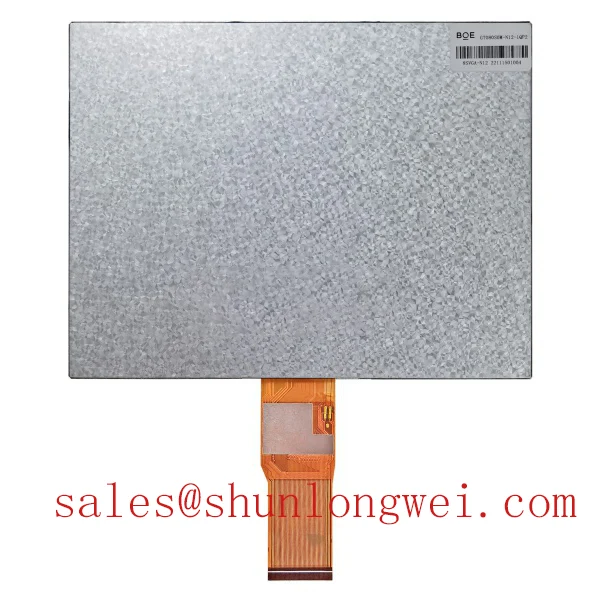
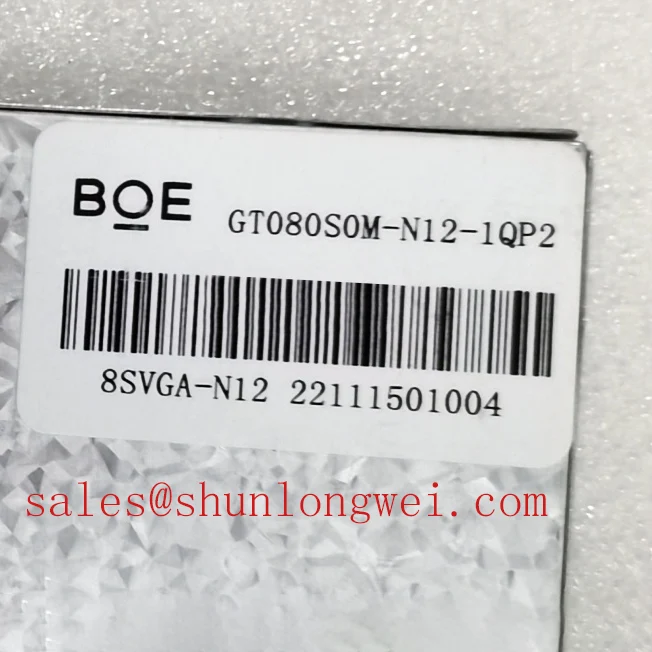
GT0T080S0M-N12-1QP2 8.0-inch SVGA Industrial TFT-LCD Module
Technical Overview of the GT080S0M-N12-1QP2 Display Module
The GT080S0M-N12-1QP2 is an 8.0-inch TFT-LCD module engineered for longevity and clarity in industrial systems. It delivers consistent performance across a wide operating temperature range, making it a robust choice for human-machine interfaces (HMIs), control panels, and embedded instrumentation where reliability is paramount. The module’s standard SVGA resolution and LVDS interface facilitate straightforward integration into both new and legacy system architectures.
- Core Specifications: 800×600 SVGA | 500 cd/m² Brightness | -20°C to +70°C Operating Temp.
- Key Strengths: High brightness for readability, wide temperature resilience for harsh environments.
- Integration Insight: The LVDS interface supports high-speed data transfer while minimizing electromagnetic interference, a key factor in complex industrial settings.
Download Official Datasheet (PDF)
Engineered for Industrial Environments
The defining characteristic of the GT080S0M-N12-1QP2 is its operational resilience. The specified operating temperature range of -20°C to 70°C ensures consistent performance in environments that are not climate-controlled, such as factory floors, outdoor kiosks, or vehicle cabins. This wide range prevents display failure or degradation in image quality due to thermal extremes, a common point of failure for consumer-grade displays. This thermal robustness is a critical parameter for any system intended for long-term deployment in the field.
Visual performance is anchored by a typical brightness of 500 cd/m², providing the necessary luminance for readability in varied indoor and covered outdoor lighting conditions. Think of brightness as the power of a flashlight in a dim room; a higher value means the light cuts through the ambient darkness more effectively. This level of brightness, combined with a 700:1 contrast ratio, ensures that graphical user interfaces and critical data points are presented with clarity and distinction, reducing operator error.
Optimized Application Scenarios
The technical specifications of this module make it well-suited for several specific industrial roles:
- Industrial HMI Panels: The 800×600 resolution is ideal for displaying process control schematics and data entry fields, while its wide temperature range ensures reliability on the factory floor.
- Test and Measurement Equipment: Its LVDS interface allows for clean, high-speed data visualization from analytical instruments, a key requirement for precision work.
- Medical Monitoring Devices: The consistent brightness and contrast ratio are suitable for displaying vital signs and patient data with the necessary clarity for healthcare professionals.
- Transportation Information Systems: The module’s robust thermal performance and long-life WLED backlight are well-matched for in-cabin displays in commercial vehicles and public transit.
This display’s balanced feature set makes it an excellent match for systems requiring a durable, clear, and easy-to-integrate 8.0-inch SVGA screen.
Key Specifications of the GT080S0M-N12-1QP2
| Feature | Specification |
|---|---|
| Screen Size | 8.0 inches |
| Resolution | 800 (RGB) x 600 [SVGA] |
| Display Technology | a-Si TFT-LCD, Transmissive |
| Luminance | 500 cd/m² (Typical) |
| Contrast Ratio | 700:1 (Typical) |
| Viewing Angle | 80/80/70/70 (Typ.)(CR≥10) (L/R/U/D) |
| Signal Interface | LVDS (1 ch, 6/8-bit), 20 pins Connector |
| Operating Temperature | -20 ~ 70 °C |
| Storage Temperature | -30 ~ 80 °C |
| Backlight | WLED, 30K hours (Min.) with LED Driver |
Engineer’s FAQ
1. What is the primary benefit of the LVDS interface on the GT080S0M-N12-1QP2?
The Low-Voltage Differential Signaling (LVDS) interface uses two wires with opposite current/voltage swings to transmit data. This differential approach is highly resistant to common-mode noise, which is prevalent in industrial environments. It enables reliable, high-speed data transmission over longer distances with lower power consumption and reduced electromagnetic interference (EMI) compared to parallel interfaces like RGB.
2. How should thermal management be approached when integrating this display into an sealed enclosure?
While the GT080S0M-N12-1QP2 is rated for operation up to 70°C, the total heat within an enclosure must be considered. The datasheet specifies the display’s power consumption. This figure should be used to calculate the total thermal load. Ensure that the enclosure design allows for adequate passive or active cooling to maintain an internal ambient temperature well within the display’s specified operating range to ensure backlight life and performance.
3. Is the 800×600 SVGA resolution sufficient for modern industrial applications?
Yes, for a wide range of applications. SVGA resolution on an 8.0-inch screen provides a pixel density that is effective for displaying GUIs, numerical readouts, and status indicators common in industrial machinery, process controllers, and monitoring systems. It offers a balance between information density and readability, and its compatibility with many existing industrial controllers simplifies system upgrades. Learn more about core LCD technologies.
4. What is the typical lifespan of the WLED backlight?
The datasheet specifies a minimum backlight lifetime of 30,000 hours. This is defined as the time until the backlight’s brightness decreases to 50% of its initial value when operated under specified conditions. This long lifespan is critical for industrial applications where continuous operation and low maintenance are required.
System Integration and Reliability
This display module provides a stable foundation for systems that require proven technology and reliable operation under challenging thermal conditions. The combination of a standard LVDS interface, robust backlighting, and a durable panel structure allows engineers to focus on application development rather than display-level troubleshooting. It delivers the essential visual performance and environmental resilience needed for long-service-life industrial equipment.