AUO A080SN01 V0: A Technical Review of the 8.0-inch SVGA Industrial Display
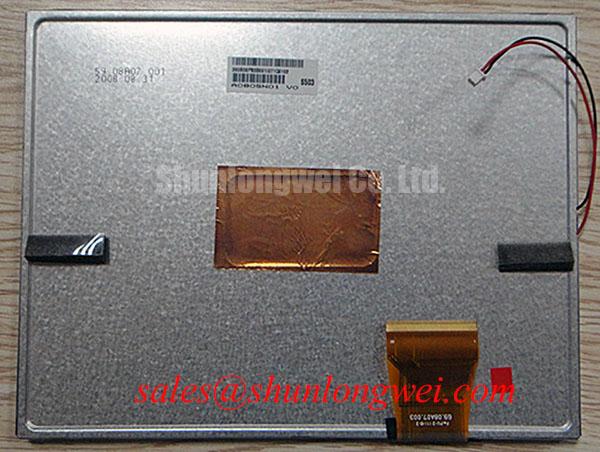
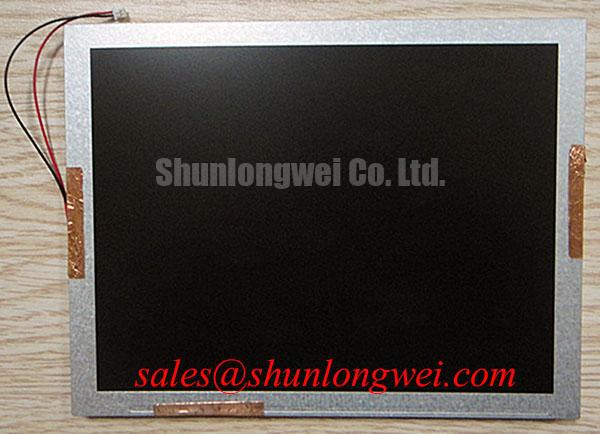
AUO A080SN01 V0 8.0″ SVGA Industrial TFT-LCD Module
Introduction and Core Highlights
The AUO A080SN01 V0 is an 8.0-inch a-Si TFT-LCD module that delivers a stable and reliable visual interface for industrial systems. Its primary value is providing a mechanically and electrically compatible solution for applications built around the classic 4:3 aspect ratio, simplifying the lifecycle management and upgrade path for existing equipment designs. By adhering to proven interface standards, it reduces integration complexity.
- Core Specifications: 8.0-inch | 800×600 SVGA | Parallel RGB (TTL) Interface.
- Key Advantages: Facilitates seamless drop-in replacement for legacy systems, features a long-life WLED backlight.
- Design Focus: This module is an excellent fit for upgrading older HMI panels without requiring a complete redesign of the system’s user interface or enclosure.
Download Official Datasheet (PDF)
Technical Analysis for System Integration
The engineering value of the A080SN01 V0 is rooted in its adherence to established industrial display standards. The choice of a Parallel RGB (TTL) signal interface is significant for system designers. Unlike higher-speed serial interfaces like LVDS, TTL is more tolerant of signal integrity variations and often simplifies the driver board layout. This direct interface can reduce development time and debugging efforts, especially in systems where high-frequency emissions are a concern.
Furthermore, the 800×600 SVGA resolution in a 4:3 aspect ratio provides a critical advantage for lifecycle management. Many industrial machines have user interfaces and mechanical housings specifically dimensioned for this format. Integrating the A080SN01 V0 allows for the replacement of aging or discontinued panels without altering the system’s software or physical design. You can think of this compatibility like using a standard-size battery; it fits perfectly without needing a custom adapter, saving immense re-engineering costs and extending the operational life of valuable equipment.
The display’s optical characteristics are well-suited for typical indoor industrial environments. A typical brightness of 200-250 cd/m² combined with a 400:1 or 500:1 contrast ratio ensures clear readability for control menus, process data, and status indicators. The anti-glare surface treatment further enhances visibility by diffusing reflections from overhead factory lighting, reducing operator eye strain and improving accuracy. Find more on display technologies in our guide to LCD Core Technology.
Optimized Application Scenarios
- Legacy HMI Panel Upgrades: Its standard SVGA resolution and 4:3 aspect ratio allow for direct replacement of older panels, minimizing redesign costs.
- Industrial Control Systems: The -10°C to 60°C operating temperature range ensures reliable performance in typical factory floor environments.
- Test and Measurement Equipment: Provides a clear, no-frills data display with a robust and easy-to-integrate TTL interface.
- Point-of-Sale (POS) Terminals: The WLED backlight with a typical 10,000-hour lifespan offers long-term reliability for continuous commercial use.
Its blend of standard resolution, proven interface, and industrial-grade temperature range makes it an excellent match for cost-sensitive, long-lifecycle applications.
Key Specification Parameters
| AUO A080SN01 V0 Specifications | |
|---|---|
| Parameter | Value |
| Panel Size | 8.0 inches |
| Resolution | 800(RGB) × 600 (SVGA) |
| Panel Technology | a-Si TFT-LCD, TN, Normally White. |
| Brightness (Typical) | 200 cd/m². |
| Contrast Ratio (Typical) | 400:1. |
| Viewing Angle (Typ.)(L/R/U/D) | 70/70/50/65. |
| Signal Interface | TTL (1 ch, 6/8-bit) + SPI, 60 pins FPC. |
| Backlight | WLED, 10,000 Hours (Typ.). |
| Operating Temperature | -10°C to 60°C |
| Storage Temperature | -20°C to 70°C. |
Engineer’s FAQ
1. What is the signal interface for the A080SN01 V0 and what are its main characteristics?
The A080SN01 V0 uses a 60-pin Parallel RGB (TTL) interface, supporting 6-bit or 8-bit color depth. This is a conventional and robust interface that transmits red, green, and blue data on separate parallel lines, simplifying the driver circuitry compared to serialized interfaces. More information on interface technologies can be found in our articles on rugged connectivity.
2. How does the operating temperature range impact the display’s performance and lifespan?
The specified operating range of -10°C to 60°C defines the temperatures at which the display will function according to its optical and electrical specifications. Operating at the high end of this range for extended periods can accelerate the aging of the WLED backlight, potentially reducing its operational life below the typical 10,000 hours. Proper thermal management is key to maximizing longevity. For more on this topic, see our analysis of thermal management for display reliability.
3. Is the A080SN01 V0’s brightness suitable for outdoor use?
With a typical brightness of 200-250 cd/m², this module is intended for indoor industrial or commercial applications. It is not considered sunlight-readable. Outdoor applications typically require a brightness of 800 cd/m² or higher and often incorporate optical bonding to minimize reflection.
4. What are the key mechanical considerations for mounting this display?
The datasheet provides precise outline dimensions, including the location of mounting tabs. Engineers should ensure their mechanical design accommodates these points and provides adequate support for the panel’s bezel to prevent stress or torsion, which could damage the display. Understanding best practices in our guide to vibration and shock resistance is beneficial.
Enabling System Longevity and Reliability
The AUO A080SN01 V0 provides a practical, efficient path for maintaining and developing industrial systems. By combining a standard resolution and aspect ratio with a straightforward parallel interface, it allows engineers to focus on core system functionality rather than complex display integration challenges. This module is a durable component choice for ensuring consistent performance in long-term deployments.