AUO G156XTN01.0: A Technical Review of a 15.6-inch Industrial Widescreen Display
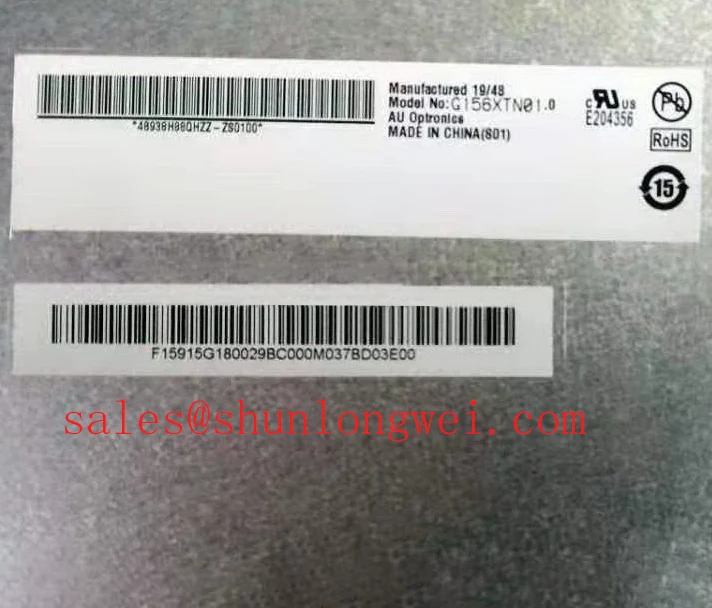
AUO G156XTN01.0 | 15.6-inch 1366×768 TFT-LCD Module
Introduction and Core Highlights
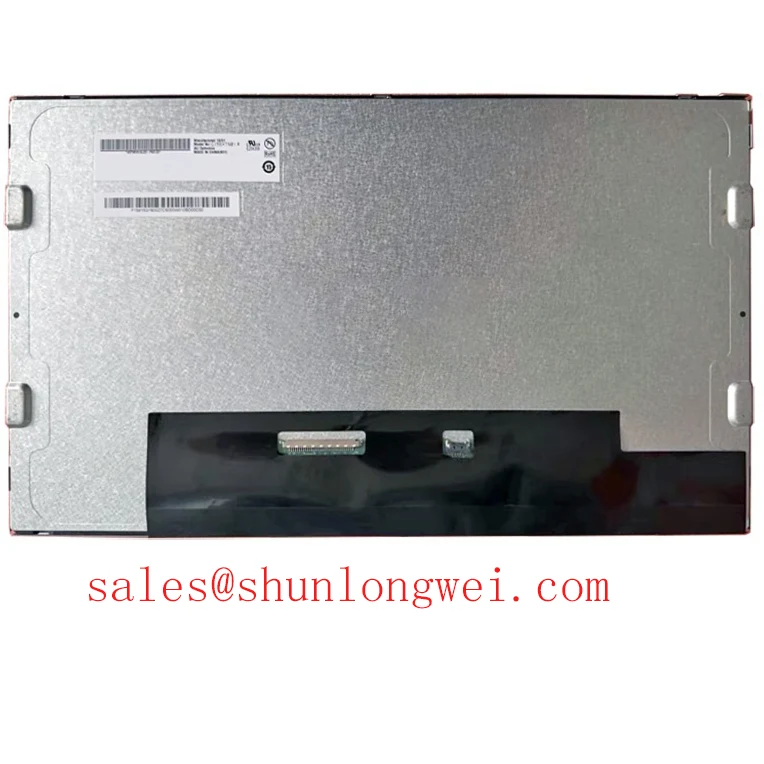
The AUO G156XTN01.0 is an a-Si TFT-LCD module that provides a reliable and efficient solution for integrating a 16:9 widescreen display into various applications. Its unique value is centered on providing a standard, widely supported HD resolution in a durable package, featuring a documented backlight lifespan for predictable performance. This module is an engineered choice for systems requiring clear visual output and long-term operational consistency without the need for premium, high-cost features. It effectively addresses the need for a dependable industrial display for human-machine interfaces (HMIs).
- Core Specifications: 15.6-inch Diagonal | 1366 x 768 Resolution | LVDS Interface
- Key Engineering Advantages: Standardized interface for simplified system integration; WLED backlight with a 15,000-hour minimum lifetime.
Download Official Datasheet (PDF)
Technical Analysis
The engineering value of the G156XTN01.0 lies in its adherence to established industry standards, which streamlines the design and manufacturing process for equipment builders. The 1366 x 768 pixel resolution in a 16:9 aspect ratio is a native HD format, suitable for modern graphical user interfaces that require more horizontal space than legacy 4:3 displays. Integration is further simplified by the use of a single-channel LVDS interface, a common standard for which controllers and single-board computers have readily available support. This combination facilitates a direct path for developing or upgrading systems to a widescreen format.
A critical parameter for any industrial display is its operational longevity. The datasheet for the G156XTN01.0 specifies a minimum backlight lifetime of 15,000 hours, defined as the time until the backlight’s brightness decays to 50% of its initial value. This metric is crucial for calculating total cost of ownership and planning maintenance schedules. To use an analogy, this backlight lifetime rating is like the specified service interval for a vehicle; it’s a data-driven baseline for understanding the display’s operational lifespan. This allows engineers to design systems with predictable service requirements, a key aspect of proactive lifespan management.
Optimized Application Scenarios
The specifications of this module make it well-suited for a range of controlled-environment applications:
- Industrial HMI Panels: The 15.6-inch widescreen format is ideal for displaying complex process control data, schematics, and system status information clearly.
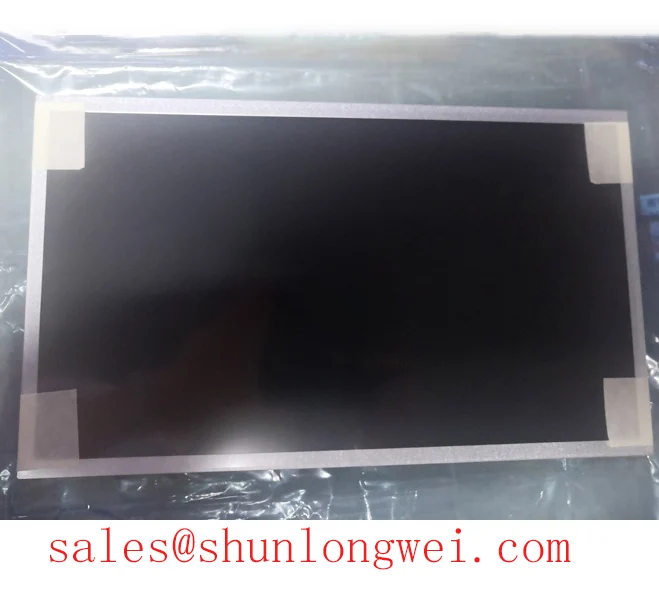
- Point-of-Sale (POS) Systems: Its anti-glare surface and standard HD resolution provide a clear and comfortable user interface for both operators and customers.
- Information Kiosks: The specified backlight lifetime ensures dependable, long-term operation for informational displays in lobbies, transit hubs, and retail environments.
- Medical Monitoring Equipment: Suitable for non-diagnostic display applications where clear, reliable presentation of vital signs and data is necessary.
This module is best matched for cost-sensitive projects requiring a proven, standard widescreen HD display with a documented operational lifetime.
Key Specification Parameters
| Panel & Optical Specifications | |
|---|---|
| Screen Size | 15.6 inch |
| Resolution | 1366(RGB) × 768, WXGA |
| Brightness | 220 cd/m² (Typ.) |
| Contrast Ratio | 500:1 (Typ.) |
| Viewing Angle | 45/45/20/45 (Typ.)(CR≥10) (L/R/U/D) |
| Display Colors | 262K (6-bit) |
| NTSC Ratio | 45% |
| Surface Treatment | Anti-glare, Hard coating (3H) |
| Electrical & Mechanical | |
| Interface | LVDS (1 ch, 6-bit), 30 pins connector |
| Supply Voltage | 3.3V (Typ.) |
| Backlight System | WLED, 15,000 hours minimum lifetime (to 50% brightness) |
| Operating Temperature | 0 ~ 50 °C |
| Storage Temperature | -20 ~ 60 °C |
| Outline Dimensions | 363.8(W) × 215.9(H) × 3.2(D) mm |
Engineer’s FAQ
1. What are the specific interface requirements for the G156XTN01.0?
The display uses a standard 30-pin LVDS interface configured for 1 channel, 6-bit color depth. This requires a compatible LVDS driver and a 3.3V power supply for the panel logic, as detailed on page 7 of the datasheet.
2. How does the “6 o’clock” viewing direction affect system design?
The optimal viewing cone is oriented for a viewer looking slightly up at the display. For a desktop HMI or kiosk, this means the display should be mounted at or slightly below eye level. For wall-mounted displays, it should be placed higher to align with the intended viewing direction and maintain image fidelity.
3. What is the expected power consumption of the module?
According to the datasheet, the typical power consumption for the panel and backlight combined is 5.1 Watts. This low power draw simplifies thermal management and is suitable for sealed enclosures.
4. How should the 15,000-hour backlight lifetime be interpreted for a 24/7 application?
A 15,000-hour minimum lifetime equates to approximately 625 days, or 1.7 years, of continuous, 24/7 operation before the backlight brightness is expected to reach half of its initial value. This provides a clear metric for system reliability planning.
Enabling Widescreen Industrial Interfaces
The AUO G156XTN01.0 provides a well-documented, standard component for developing equipment with modern widescreen user interfaces. Its combination of a common HD resolution, a standard LVDS connection, and a specified backlight lifetime delivers the necessary performance for a range of industrial and commercial applications where reliability and straightforward integration are primary design goals. This focus on fundamentals empowers engineers to build dependable and cost-effective visual systems. Explore other insights on industrial components on our platform.