AUO G190EAN01.1: A Technical Review of Visual Performance and Applications
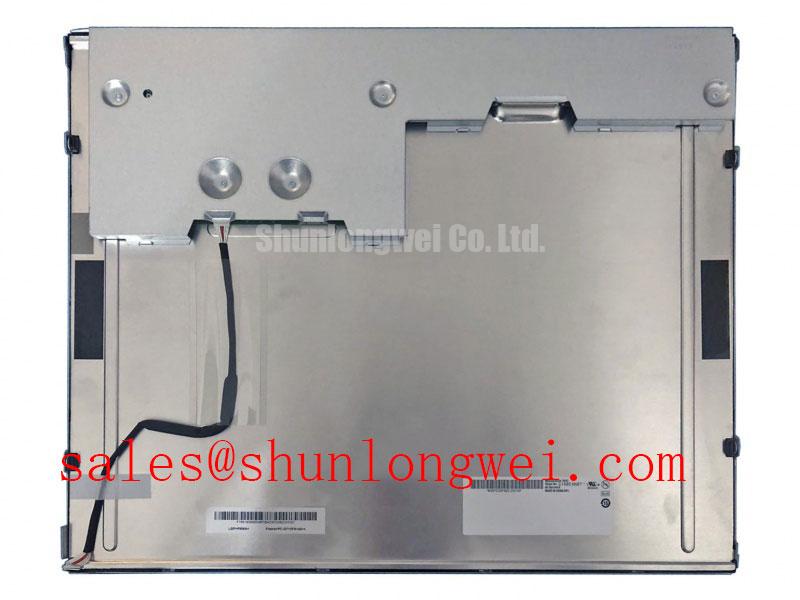
AUO G190EAN01.1 19.0″ SXGA AHVA TFT-LCD Module
Introduction and Core Highlights
The AUO G190EAN01.1 is a 19.0-inch amorphous silicon TFT-LCD module that delivers superior image fidelity and consistent off-axis viewing performance through its Advanced Hyper-Viewing Angle (AHVA) technology. This makes it a strong contender for applications where color accuracy from multiple perspectives is a primary requirement. The panel’s combination of resolution, brightness, and a wide color gamut provides a solid foundation for clear and detailed user interfaces in demanding industrial and medical environments.
- Core Specifications: 1280×1024 SXGA | 400 cd/m² Brightness | 1000:1 Contrast Ratio
- Key Engineering Advantages: Provides consistent color reproduction across wide viewing angles, enhancing usability for multi-person interfaces. Features a long-life WLED backlight system.
- Resolves Viewing Angle Constraints: AHVA technology ensures that operators see accurate, undistorted images, even when viewing the display from significant horizontal or vertical angles.
Download the G190EAN01.1 Official Datasheet (PDF)
Technical Analysis Centered on Visual Performance
The primary value of the G190EAN01.1 module is its ability to render images with high accuracy and consistency, a direct result of its core optical specifications. The implementation of AHVA technology is central to this performance. For engineers, this means the typical color and contrast shifts seen on standard TN panels at off-angles are virtually eliminated. The datasheet specifies a viewing angle of 89/89/89/89 degrees, ensuring that whether the screen is viewed from above, below, or the side, the visual information remains unchanged.
This consistency is supported by a high contrast ratio of 1000:1 and a brightness of 400 nits. The contrast ratio can be thought of as the panel’s ability to display deep blacks and bright whites simultaneously. A higher ratio, like the one found here, results in a more dynamic and detailed image, which is crucial for interpreting complex data or imagery. Coupled with a 72% NTSC color gamut, the display can reproduce a wide spectrum of colors, leading to more vibrant and true-to-life visuals. The WLED backlight not only enables this brightness but also offers a typical lifetime of 50,000 hours, a key metric for systems requiring long-term operational reliability. Proper thermal management is essential to achieving this rated lifespan.

Optimized Application Scenarios
The specific performance characteristics of the G190EAN01.1 make it a well-suited component for a range of specialized applications.
- Medical Imaging Displays: The high contrast ratio and stable color reproduction of the AHVA panel are critical for accurate diagnosis and review of medical scans.
- Industrial Control HMIs: On a factory floor, operators often view control panels from various angles. The 89° all-axis viewing angle ensures operational data is always legible.
- Broadcast and Pro-AV: Color accuracy is paramount in video editing and monitoring. The 72% NTSC gamut ensures that content creators are seeing a faithful representation of their work.
- Air Traffic Control & Marine: These environments demand high clarity and reliability. The panel’s brightness and robust backlight system support these stringent requirements.
This module is an optimal fit for systems requiring consistent, accurate visuals from wide viewing angles under demanding conditions.
Key Specifications of the G190EAN01.1
| Parameter Category | Specification | |
|---|---|---|
| Display Characteristics | Panel Type | a-Si TFT-LCD, AHVA, Normally Black |
| Resolution | 1280(RGB) x 1024 [SXGA] | |
| Active Area | 376.32(H) x 301.056(V) mm | |
| Pixel Pitch | 0.294(H) x 0.294(V) mm | |
| Optical Characteristics | Brightness | 400 cd/m² (Typical) |
| Contrast Ratio | 1000:1 (Typical) | |
| Viewing Angle | 89/89/89/89 (Left/Right/Up/Down) | |
| Response Time | 13/12 ms (Typ.)(Tr/Td) | |
| Color Gamut | 72% NTSC (CIE1931) | |
| Electrical & Environmental | Interface | LVDS (2 ch, 8-bit), 30 pins |
| Power Consumption | 9.5W (Typical, Panel Only) | |
| Operating Temperature | 0°C to 50°C | |
| Storage Temperature | -20°C to 60°C | |
Engineer’s FAQ
What makes AHVA technology a good choice for multi-viewer industrial panels?
AHVA, a type of In-Plane Switching (IPS) technology, aligns liquid crystals horizontally. This structure minimizes light leakage and color shift when the display is viewed from off-center angles. For an industrial panel that multiple operators may view simultaneously from different positions, this ensures everyone sees the same accurate, high-contrast image.
What are the primary considerations for the LVDS interface connection?
The G190EAN01.1 uses a 30-pin LVDS (Low-Voltage Differential Signaling) interface requiring a 5.0V supply voltage (VCC). Engineers must ensure the host system’s signal cable and connector are compatible with the specified pinout in the datasheet to prevent damage and ensure signal integrity. A clean power supply is critical for stable operation.
How should an engineer approach thermal design when integrating this module?
The panel has a typical power consumption of 9.5 watts. This heat must be dissipated to keep the display within its 0°C to 50°C operating range. The enclosure design should allow for adequate airflow, either through passive ventilation or forced air, to prevent overheating, which can shorten the 50,000-hour backlight lifespan and impact performance.
Is the surface treatment suitable for high ambient light environments?
The datasheet specifies an anti-glare surface treatment with a haze of 25%. This finish diffuses ambient light reflections rather than reflecting them directly, which reduces glare and improves readability in well-lit control rooms or factory settings. It strikes a balance between reducing reflections and maintaining image sharpness.
Enabling Clarity and Reliability in System Design
The AUO G190EAN01.1 provides a robust foundation for human-machine interfaces where visual precision and off-axis clarity are non-negotiable. Its combination of AHVA technology, strong optical performance, and a durable LED backlight system empowers engineers to develop reliable, user-friendly displays for critical industrial and medical systems.