CLAA150XG02Y: A Technical Overview for Industrial Applications
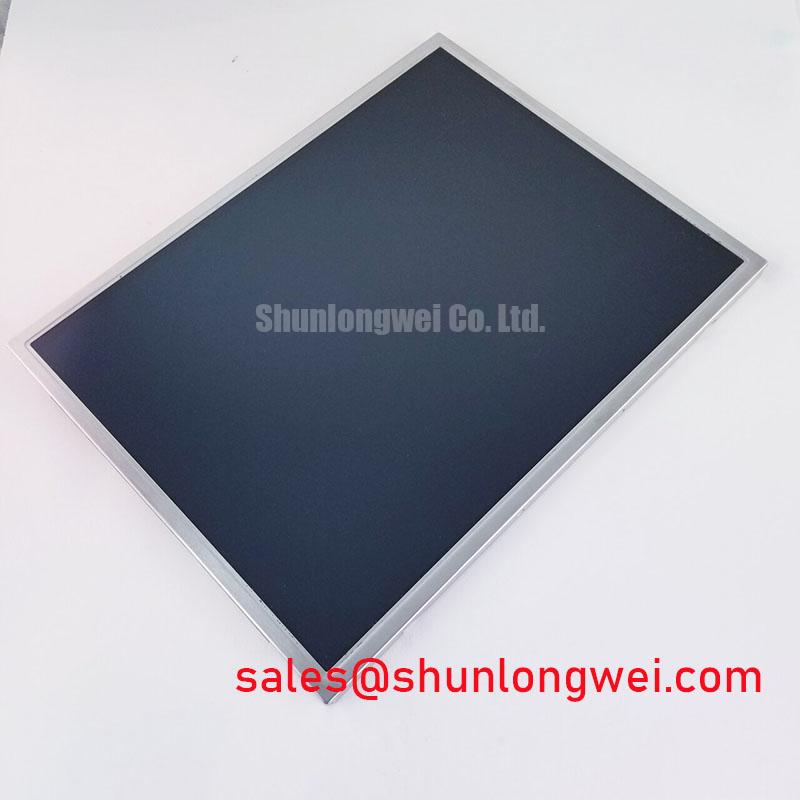
CLAA150XG02Y 15.0-inch XGA Industrial TFT-LCD Module
Technical Overview for Industrial Integration
The Chunghwa Picture Tubes (CPT) CLAA150XG02Y is a 15.0-inch a-Si TFT-LCD module engineered for industrial applications requiring reliable visual performance. It delivers a standard XGA resolution with consistent brightness and a durable build, making it a strong candidate for human-machine interfaces (HMIs) and process control systems where clarity and operational stability are primary objectives.
- Core Specifications: 1024×768 XGA | 250 cd/m² Brightness | 400:1 Contrast Ratio.
- Key Advantages: Standardized interface for straightforward system integration; anti-glare surface treatment enhances readability in varied lighting conditions.
- Design Focus: This display is optimized for industrial control panels that depend on a clear, long-life XGA interface for displaying critical operational data.
The official manufacturer datasheet for this specific model is not publicly available. The technical data presented is compiled from industry-standard specification aggregators.


Engineered for Clarity and Reliability
The CLAA150XG02Y provides a balanced set of features tailored for industrial environments. Its 1024×768 (XGA) resolution is a widely adopted standard, ensuring compatibility with a vast range of industrial hardware and software. This resolution, presented on a 15.0-inch active area, delivers a pixel density of 85 PPI, which is well-suited for displaying graphical user interfaces, schematics, and diagnostic data with sufficient detail. The typical brightness of 250 nits, combined with an anti-glare surface treatment, ensures that information remains legible under the ambient lighting conditions commonly found in factories and control rooms.
A critical factor in industrial component selection is operational lifespan. The CLAA150XG02Y utilizes a CCFL backlight system, a mature technology known for its stability. The operating temperature is not specified in available documentation, which is a key consideration for thermal management in enclosed systems. Think of a display’s thermal envelope as its operational safety zone; exceeding it can lead to performance degradation. Engineers integrating this panel should ensure sufficient airflow to manage heat dissipation, particularly from the backlight assembly, to maintain stable performance over the product’s lifetime. Further information can be found by exploring resources on thermal management for industrial displays.
Optimized Application Scenarios
The specific performance characteristics of the CLAA150XG02Y make it a suitable component for several industrial uses:
- Industrial HMI Panels: The 4:3 aspect ratio and XGA resolution are a direct fit for many legacy and new HMI designs.
- Process Control Systems: Its standard brightness and contrast ratio provide clear visualization of system status and control parameters.
- Test & Measurement Equipment: The anti-glare screen ensures that precise numerical data can be read accurately without distracting reflections.
- Information Kiosks: Delivers reliable, continuous operation for public-facing information displays in controlled indoor environments.
Its blend of standard features makes it a best-match for systems requiring a dependable XGA display without the cost of higher-specification components.
Key Specification Parameters
| CLAA150XG02Y Technical Specifications | |
|---|---|
| Panel Technology | a-Si TFT-LCD, TN, Normally White, Transmissive |
| Resolution | 1024(RGB)×768 (XGA) 85 PPI |
| Brightness | 250 cd/m² (Typ.) |
| Contrast Ratio | 400:1 (Typ.) |
| Viewing Angle | 60/60/45/55 (L/R/U/D) (Typ.) |
| Signal Interface | CMOS (2 ch, 8-bit), 50 pins Connector |
| Backlight System | CCFL |
| Outline Dimensions | 326(W) × 252(H) × 11.5(D) mm |
| Surface Treatment | Antiglare |
Engineer’s FAQ
1. What is the best application for a 15-inch XGA display like the CLAA150XG02Y?
This display is ideal for industrial control panels, factory automation HMIs, and upgrading legacy systems where a 1024×768 resolution and a 4:3 aspect ratio are standard requirements.
2. What are the main integration challenges with a CCFL-backlit display?
CCFL backlights require a separate inverter to supply the high voltage needed for operation. System designers must account for the physical space and power requirements of this inverter. Additionally, CCFL systems can generate more heat than modern LED backlights, making adequate ventilation a key part of the enclosure’s thermal design.
3. What does a “6 o’clock” optimal viewing direction mean?
This indicates that the display’s contrast and color fidelity are best when viewed from slightly below the center of the screen. This is a common characteristic of TN panel technology and is important for positioning the display in a console or panel to align with the operator’s typical line of sight. For broader viewing requirements, exploring different LCD core technologies may be necessary.
4. How does the anti-glare surface benefit an industrial environment?
The anti-glare treatment diffuses direct light sources, such as overhead factory lighting, reducing specular reflections and mirror-like images on the screen. This significantly improves readability and reduces eye strain for operators who monitor the display for extended periods.
System Integration and Design Enablement
The CLAA150XG02Y provides a direct and functional solution for systems built around the XGA standard. Its established technology and interface allow for predictable integration into existing platforms or new designs aimed at cost-effective, reliable performance. By delivering essential visual capabilities in a durable format, this CPT display enables engineers to develop clear and effective user interfaces for a wide range of industrial machinery and control systems.