CLAA150XP01F: A Reliable 15-inch Industrial XGA Display
CLAA150XP01F: A 15.0-inch XGA Industrial TFT-LCD Module
Reliable Visual Performance for Industrial Systems
The CPT CLAA150XP01F is a 15.0-inch a-Si TFT-LCD module engineered for applications requiring dependable visual output and straightforward integration. This display delivers consistent performance through a combination of standard resolution, reliable backlighting, and a widely adopted digital interface. Its specification set is tailored for long-term service in operator interfaces and monitoring systems.
- Core Specs: 1024×768 XGA | 250 cd/m² Brightness | 500:1 Contrast Ratio
- Key Advantages: Standard LVDS interface simplifies integration; Antiglare surface enhances readability in industrial lighting.
- Integration Focus: The module’s 3.3V logic voltage and standard 20-pin LVDS connector streamline the design process for both new and legacy systems.
Download the Official CLAA150XP01F Datasheet (PDF)
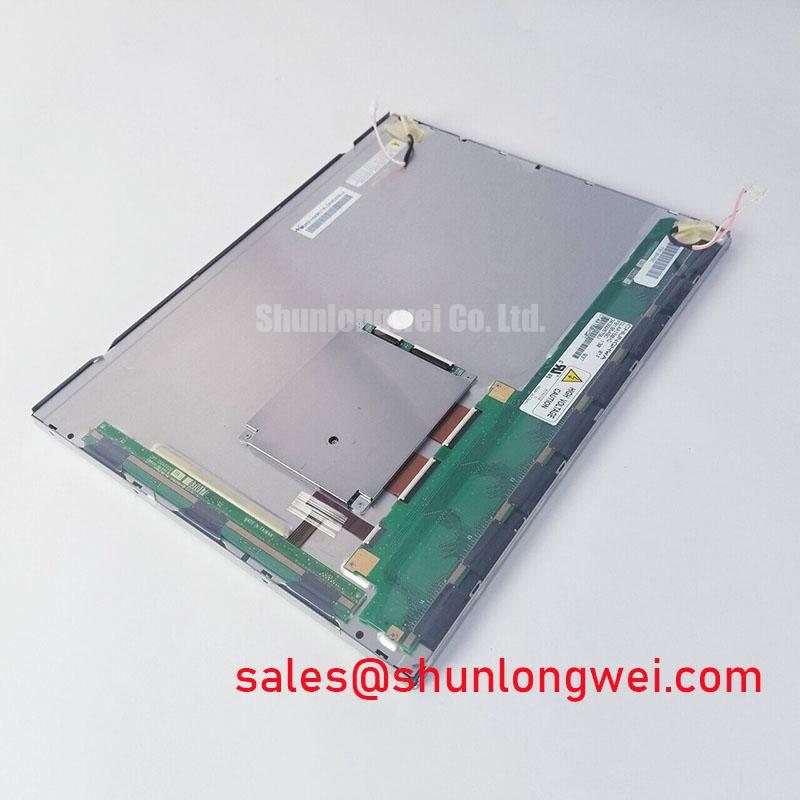
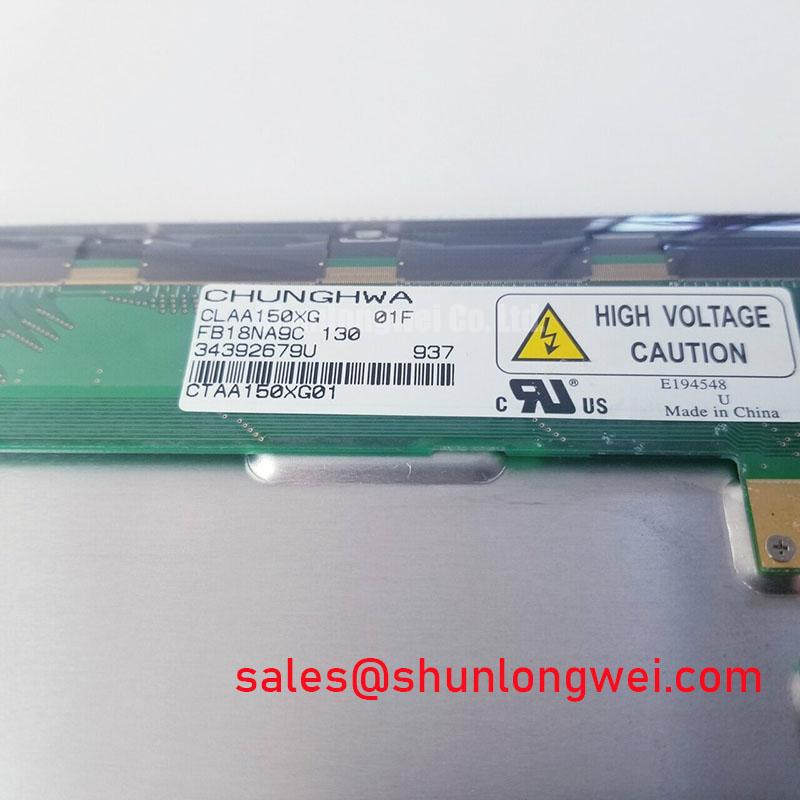
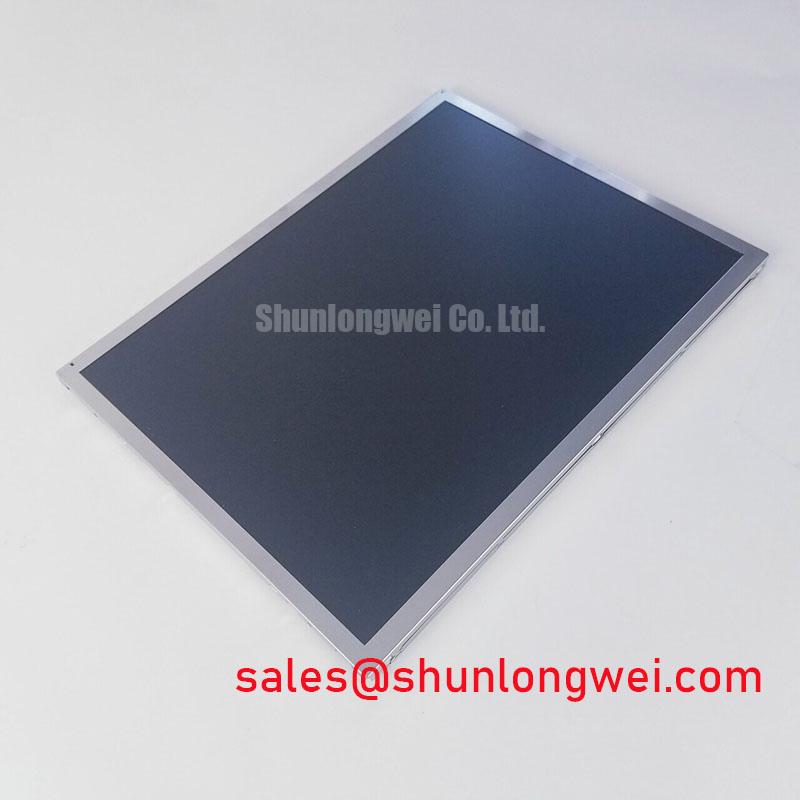
Technical Analysis for System Integration
The engineering value of the CLAA150XP01F lies in its balanced and predictable performance. The typical brightness of 250 cd/m² combined with a 500:1 contrast ratio provides clear and discernible images for typical indoor industrial environments. Its anti-glare surface treatment is a critical feature that mitigates reflections from overhead factory lighting, reducing operator eye strain and improving data interpretation accuracy. This focus on fundamental readability makes it a practical choice for human-machine interfaces (HMIs) where clear status indicators and controls are essential.
From an electrical standpoint, the module utilizes a single-channel, 8-bit LVDS (Low Voltage Differential Signaling) interface, a robust and common standard in industrial applications. This simplifies the connection to a wide range of single-board computers and custom controller boards. The backlight system is composed of two CCFL lamps with a minimum specified lifetime of 40,000 hours, offering a solid baseline for system longevity. Understanding the proactive management of backlight lifespan is key to maximizing the return on investment for any display hardware.
The panel’s thermal design allows for operation in controlled environments, with a standard operating temperature range of 0 to 50°C. This thermal envelope is suitable for control rooms, assembly lines, and other indoor settings where ambient temperatures are managed. Think of the operating temperature range as a component’s specified working environment; staying within this range is crucial for maintaining both performance and the expected 40,000-hour backlight lifespan. For guidance on broader thermal challenges, refer to this guide on thermal management for display reliability.
Optimized Application Scenarios
The CLAA150XP01F is well-suited for a variety of industrial and commercial applications:
- Industrial Control Panels: The 1024×768 resolution provides sufficient detail for displaying SCADA interfaces and machine diagnostics clearly.
- Test and Measurement Equipment: Its standard 4:3 aspect ratio and clear visuals are ideal for presenting data, waveforms, and measurement readouts.
- Point-of-Sale (POS) Terminals: The durable construction and long backlight life support the high-usage demands of retail environments.
- Legacy System Upgrades: The common XGA resolution and LVDS interface make it a viable candidate for replacing older, end-of-life 15.0-inch panels.
This module is best matched for indoor systems requiring a cost-effective, reliable XGA display with straightforward electrical and mechanical integration.
Key Specifications of the CLAA150XP01F
| Feature | Specification |
|---|---|
| Screen Size | 15.0 inches |
| Resolution | 1024(RGB)×768 (XGA) |
| Display Mode | TN, Normally White, Transmissive |
| Brightness | 250 cd/m² (Typ.) |
| Contrast Ratio | 500:1 (Typ.) |
| Viewing Angle | 70/70/60/65 (L/R/U/D) (Typ., CR≥10) |
| Display Colors | 16.2M (6-bit + FRC) |
| Signal Interface | LVDS (1 channel, 8-bit), 20 pins |
| Backlight Type | 2 pcs CCFL |
| Backlight Lifetime | 40,000 hours (Min.) |
| Operating Temperature | 0°C to 50°C |
| Storage Temperature | -20°C to 60°C |
| Outline Dimensions | 326.5(W) × 253.5(H) × 11.0(D) mm |
Engineer’s FAQ
Q1: What are the main considerations for replacing an older 15″ panel with the CLAA150XP01F?
When using the CLAA150XP01F as a replacement, verify three key factors. First, ensure the physical dimensions (326.5 x 253.5 x 11.0 mm) and mounting points fit your existing enclosure. Second, confirm that your system’s controller board outputs a compatible 1-channel, 8-bit LVDS signal. Finally, you will need a separate inverter to drive the CCFL backlight, as one is not integrated into the module.
Q2: How should the CCFL backlight be driven?
The CCFL backlight requires an external inverter. According to the datasheet, the lamp driving current should be typically 8.0mA, with a driving frequency between 40 and 60 kHz. Using an inverter that provides stable current and frequency within these specified ranges is critical for achieving the 40,000-hour backlight lifespan and maintaining consistent brightness.
Q3: What is the operating temperature range, and what happens outside of it?
The specified operating temperature range is 0°C to 50°C. Operating below 0°C can significantly increase display response time and may cause the liquid crystal to freeze. Above 50°C, the display may lose contrast and enter a black or isotropic state, with potential for permanent damage if exposure is prolonged. Adhering to this range is essential for reliable operation.
Enabling Clear and Reliable System Interfaces
The CLAA150XP01F serves as a functional and reliable building block for human-machine interfaces. By providing essential visual performance in a standard industrial form factor, it enables engineers to develop and maintain systems that require clear, consistent, and long-lasting display output. Its adherence to common interface standards ensures a straightforward path for system integration and long-term serviceability. Exploring developments in industrial LCD manufacturing can provide further context on component selection.