DMF-50174ZNB-FW: A Technical Guide to the 240×64 STN Graphic LCD
DMF-50174ZNB-FW: 240×64 STN Graphic LCD Module
Introduction and Core Highlights
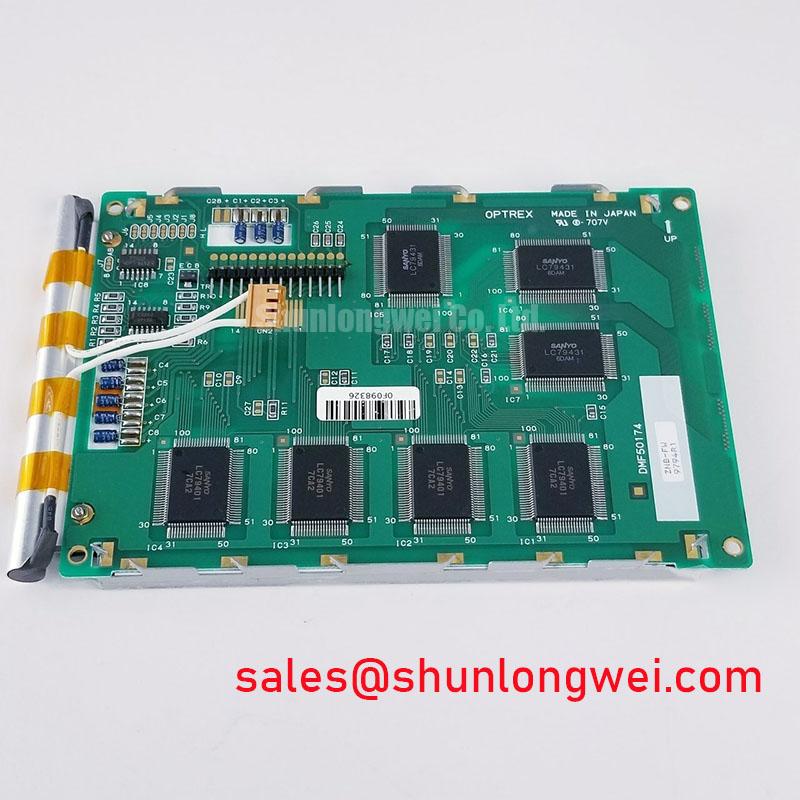
The Optrex DMF-50174ZNB-FW is a monochrome STN graphic LCD module delivering a crisp 240×64 dot matrix resolution. Its core value is the integration of a display controller compatible with the T6963C, which significantly simplifies the hardware and software interface to a host microprocessor. This design streamlines the development cycle for data-rich human-machine interfaces.
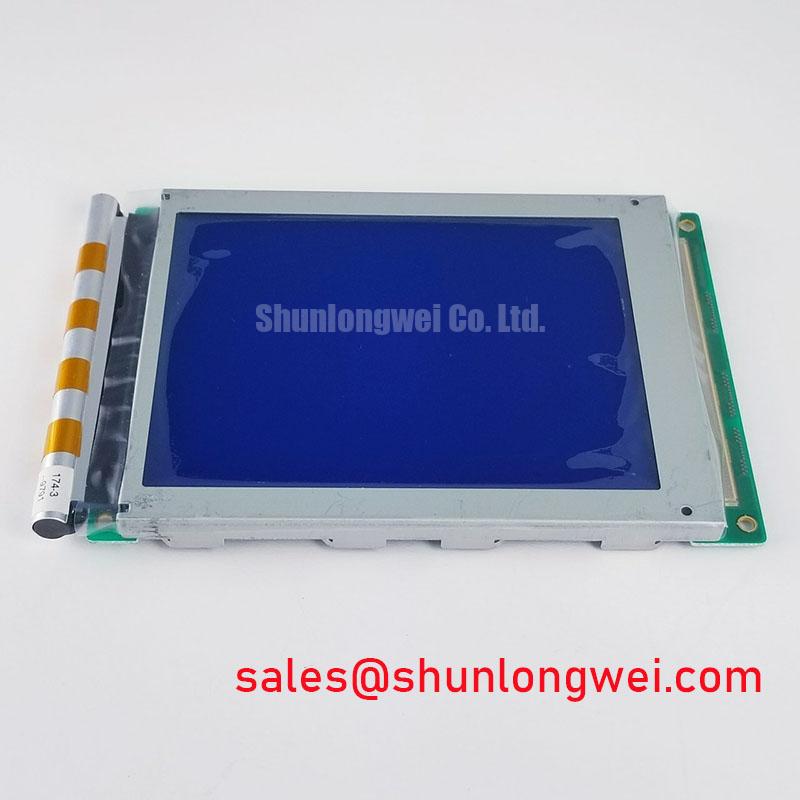
- Core Specifications: 240 x 64 Dots | STN Negative Blue Display | CCFL Backlight
- Key Advantages: On-board controller reduces host MCU overhead. Wide operating temperature range supports deployment in varied industrial settings.
- Simplified Integration: The module’s 8-bit parallel bus interface and integrated control logic allow for straightforward connection to common embedded systems.
Download the Official Datasheet (PDF)
Technical Analysis Focused on System Integration
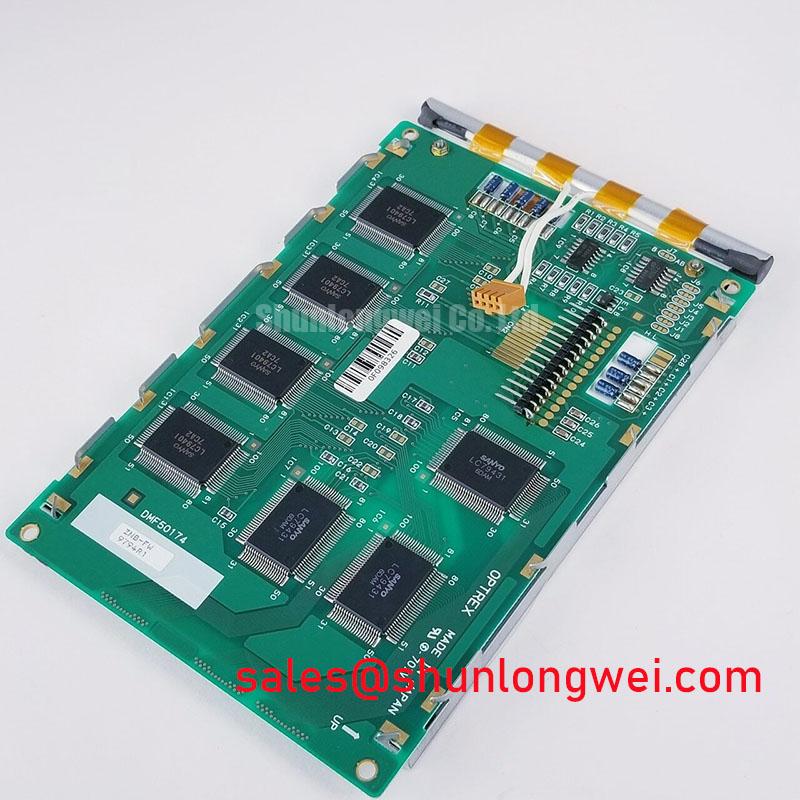
The primary engineering benefit of the DMF-50174ZNB-FW is its integrated T6963C-compatible controller. This component acts as a dedicated graphics co-processor, managing the 8KB of display RAM and handling commands for text and graphic display modes. This architecture offloads critical, repetitive tasks from the main system microcontroller. Think of this controller as a specialized assistant for the display; it takes high-level instructions like “display this text” or “draw this area” and executes them, freeing the main processor to manage the core functions of the application, whether it’s process control or data acquisition. This separation of tasks simplifies software development and can improve the responsiveness of the overall system.
The display utilizes Super-Twisted Nematic (STN) Negative Blue technology, which produces light-colored pixels on a dark blue background. When combined with its Cold Cathode Fluorescent Lamp (CCFL) backlight, it yields high-contrast readability suitable for a range of ambient lighting conditions. The module’s specified operating temperature of 0°C to 50°C ensures consistent optical performance in typical industrial and laboratory environments. For more complex thermal challenges, explore our guides on thermal management for industrial display reliability.
Optimized Application Scenarios
The feature set of this module makes it a strong candidate for specific applications where clear data presentation and reliable operation are paramount.
- Industrial Control Panels: The 240×64 resolution is well-suited for displaying system status, menus, and soft key labels in factory automation and process controllers.
- Test and Measurement Equipment: Its wide viewing area and crisp contrast enable clear visualization of measurement data, settings, and simple waveforms. The integrated controller simplifies integration, a key factor in complex instrument design.
- Medical Instrumentation: Ideal for devices that require clear, unambiguous readouts of vital signs, settings, or operational status, where its reliability is a critical factor.
- Point-of-Sale (POS) Systems: Provides a durable and easy-to-read operator interface for transaction data and menu navigation.
Its combination of an on-board controller and robust display technology makes the DMF-50174ZNB-FW an optimal match for instruments requiring a straightforward, reliable graphic interface.
Key Specifications of the DMF-50174ZNB-FW
| Parameter | Specification | |
|---|---|---|
| Display Characteristics | Display Technology | STN (Super-Twisted Nematic), Negative, Transmissive |
| Resolution | 240 x 64 dots | |
| Backlight | CCFL (Cold Cathode Fluorescent Lamp) | |
| Viewing Area | 132.0 (W) x 39.0 (H) mm | |
| Dot Size | 0.49 (W) x 0.49 (H) mm | |
| Electrical & Interface | Logic Supply Voltage (Vdd) | 5.0V ±0.25V |
| LCD Driving Voltage (Vlcd) | -21.3V (Typ) | |
| Interface | 8-bit Parallel (6800/8080 family compatible) | |
| Environmental | Operating Temperature | 0°C to +50°C |
| Storage Temperature | -20°C to +60°C | |
Note: All specifications are based on the official manufacturer’s datasheet. For detailed electrical characteristics and timing diagrams, please refer to the linked PDF.
Engineer’s FAQ
1. What is the interface protocol for the DMF-50174ZNB-FW?
The module uses an 8-bit parallel interface compatible with both Intel 8080 and Motorola 6800 series microprocessors. The specific mode is selected via the C/D (Control/Data) and RD/WR (Read/Write) pins, making it versatile for various embedded system architectures.
2. How is the display contrast adjusted?
Contrast is controlled by the LCD driving voltage (Vee), which is supplied externally. Typically, a potentiometer connected between Vdd and a negative voltage source is used to create a variable input to the Vee pin, allowing for manual adjustment to achieve optimal contrast across the operating temperature range.
3. What are the power requirements for the CCFL backlight?
The CCFL backlight requires a separate high-voltage AC inverter, which is not built into the module. The datasheet recommends specific inverters, and the lamp requires a typical starting voltage that the selected inverter must be able to provide. Understanding the requirements for external components is a key part of the LCD core technology integration process.
4. Can this module display both text and graphics simultaneously?
Yes, the integrated T6963C-compatible controller supports mixed display modes. The display RAM can be partitioned into text and graphics areas, allowing for a static graphical background with dynamic text overlays, a common requirement in HMI applications. For advanced HMI considerations, review our article on essential touch and display specifications.
Enabling Clear and Efficient Interface Design
The DMF-50174ZNB-FW provides a robust and functional foundation for embedded graphical interfaces. By integrating the display controller, it lowers the design barrier, reduces MCU workload, and accelerates development time. This thoughtful combination of display clarity and functional integration allows engineers to create effective and reliable user interfaces for a variety of industrial and technical applications.