DMF50081NB-FW: A Technical Review of a Robust Industrial Display
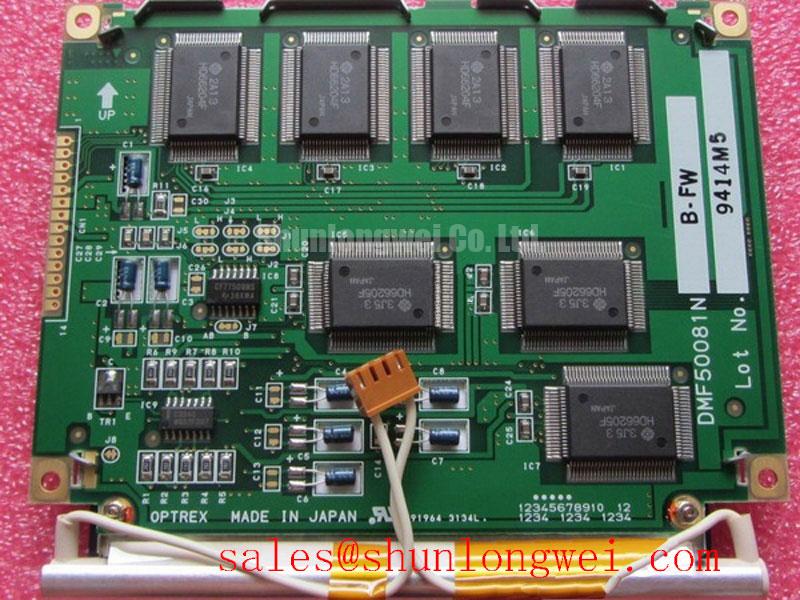
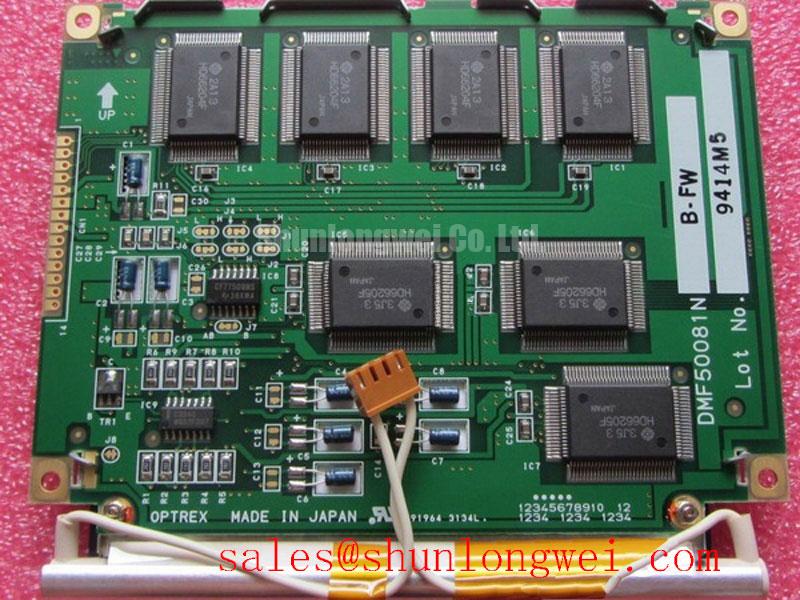
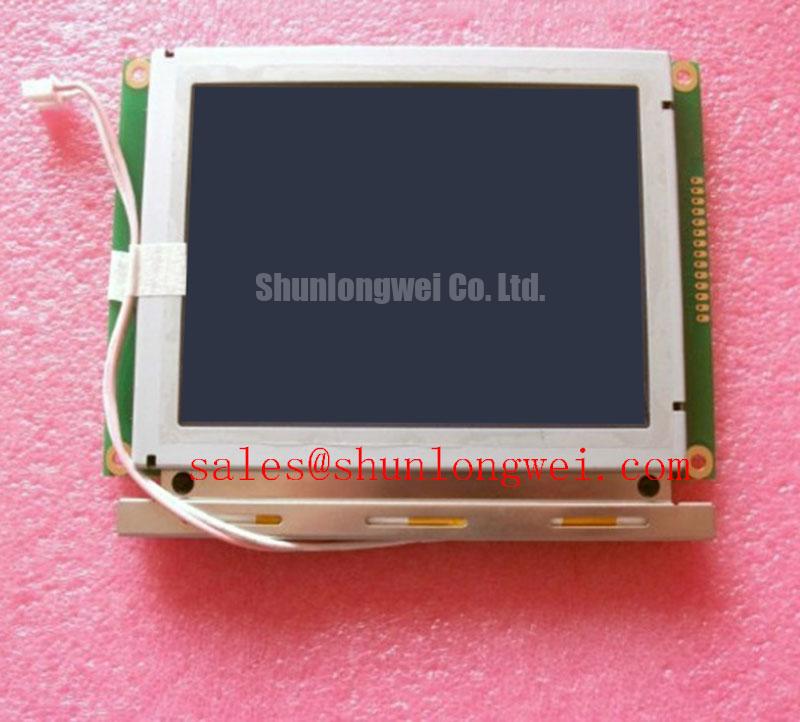
DMF50081NB-FW 240×64 STN Graphic LCD Module
Introduction and Core Highlights
The Optrex DMF50081NB-FW is a monochrome STN graphic LCD module engineered for sustained performance in industrial instrumentation and control systems. Its core value lies in delivering clear, high-contrast visual data with a robust CCFL backlight system, ensuring readability across a range of operational conditions. This display provides a practical solution for Human-Machine Interfaces (HMIs) where straightforward, reliable data presentation is a primary requirement.
* **Core Specifications**: 240 x 64 Dot Resolution | CCFL Backlight | STN (Super-Twisted Nematic) Monochrome Display
* **Key Advantages**: High-reliability CCFL backlight provides a long operational life. The standard resolution is suitable for displaying complex character sets and simple graphics.
* **Engineering Focus**: The module’s architecture is intended for systems where long-term availability and consistent optical performance are key design criteria.
Download Preliminary Datasheet (PDF)
Technical Analysis for System Integration
The DMF50081NB-FW utilizes Super-Twisted Nematic (STN) liquid crystal technology. This choice provides a distinct cost-performance balance, delivering good contrast and wide viewing angles for monochrome text and graphics. For applications like status indicators, parameter readouts, or simple waveform displays, the STN technology ensures that information is clearly legible without the higher power consumption and cost associated with full-color TFT displays.
At the core of its longevity is the Cold Cathode Fluorescent Lamp (CCFL) backlight. Think of the backlight’s lifespan like the endurance of a long-distance runner. While modern LEDs offer high efficiency, a well-engineered CCFL provides a very long and predictable operational life, often rated for tens of thousands of hours before reaching half-brightness. This characteristic makes the DMF50081NB-FW a strong candidate for equipment intended for long service deployments, such as in factory automation or medical instrumentation, where frequent component replacement is not feasible. The stability and brightness of the CCFL ensure consistent readability over the product’s lifecycle.
Optimized Application Scenarios
This module’s specifications make it a suitable match for specific industrial and technical applications where clarity, reliability, and form factor are the primary decision drivers.
* **Industrial Control Panels:** The 240×64 resolution is ample for displaying system status, alerts, and soft-key labels in manufacturing equipment.
* **Test and Measurement Instruments:** Its clear monochrome display is ideal for presenting numerical data, simple graphs, and menu systems in portable or benchtop devices.
* **Point-of-Sale (POS) Terminals:** Can be used as a customer-facing display for showing transaction details or as an operator display in legacy systems.
* **Medical Monitoring Devices:** The reliable performance and clear text rendering are well-suited for patient monitors and diagnostic equipment that require unambiguous data display.
This display is best matched for systems requiring a proven, long-life monochrome graphic interface with straightforward integration requirements.
Key Specification Parameters
A summary of the device’s performance characteristics based on the manufacturer’s documentation.
| Parameter | Specification | Notes |
|---|---|---|
| Display Characteristics | ||
| Display Technology | STN (Super-Twisted Nematic) LCD | Monochrome (Black/White or similar) |
| Resolution | 240 x 64 dots | – |
| Active Area | 127.16(W) x 33.88(H) mm | – |
| Backlight | 1 CCFL | Requires external inverter |
| Response Time (Typ.) | 100ms (Tr), 360ms (Td) | At 25°C |
| Electrical & Mechanical | ||
| Module Dimensions | 180.0(W) x 65.0(H) x 12.0(D) mm | – |
| Logic Supply Voltage (VDD) | 5.0V (Typ.) | – |
| On-board Controller | Yes (Likely T6963C or compatible) | Simplifies interface with host MCU |
| Operating Conditions | ||
| Operating Temperature | 0°C to +50°C | – |
| Storage Temperature | -20°C to +60°C | – |
Engineer’s FAQ
1. What type of controller is integrated into the DMF50081NB-FW?
This module typically incorporates a controller IC, such as the Toshiba T6963C or a compatible equivalent. This simplifies system integration by managing the display RAM and generating the necessary timing signals, allowing the host microcontroller to interface via a parallel data bus.
2. What are the main considerations for driving the CCFL backlight?
The CCFL backlight requires a separate, dedicated inverter board to generate the high AC voltage needed for operation. Key parameters for inverter selection include the lamp voltage (approx. 305 Vrms) and lamp current (approx. 5.0 mArms). Proper shielding and routing of the high-voltage wires are crucial to prevent EMI issues in the system.
3. How does STN technology compare to modern display types?
STN is a mature passive-matrix technology. Compared to active-matrix TFT displays, it has slower response times and a more limited viewing angle. However, for its intended applications—displaying static or slowly changing information—it offers excellent clarity, low power consumption for the LCD itself (excluding backlight), and is a cost-effective solution.
4. Can this display be used in outdoor environments?
The specified operating temperature range is 0°C to 50°C. While suitable for many indoor industrial environments, it is not specified for direct outdoor use where temperatures could fall below freezing or exceed 50°C. Systems designed for extreme conditions would require a display with a wider temperature specification, such as those discussed in our guide to displays for railway applications.
Enabling Clear and Reliable System Interfaces
The Optrex DMF50081NB-FW provides a dependable foundation for creating straightforward and highly readable user interfaces. Its combination of a standard graphic resolution, robust construction, and a long-life CCFL backlight supports the development of equipment where operational longevity and consistent performance are critical design objectives. This module allows engineers to integrate a proven display solution for presenting essential data in industrial machinery and instrumentation.