Fuji 1MBI400NP-120-01: A Technical Review of a High-Speed, Robust 1200V/400A IGBT
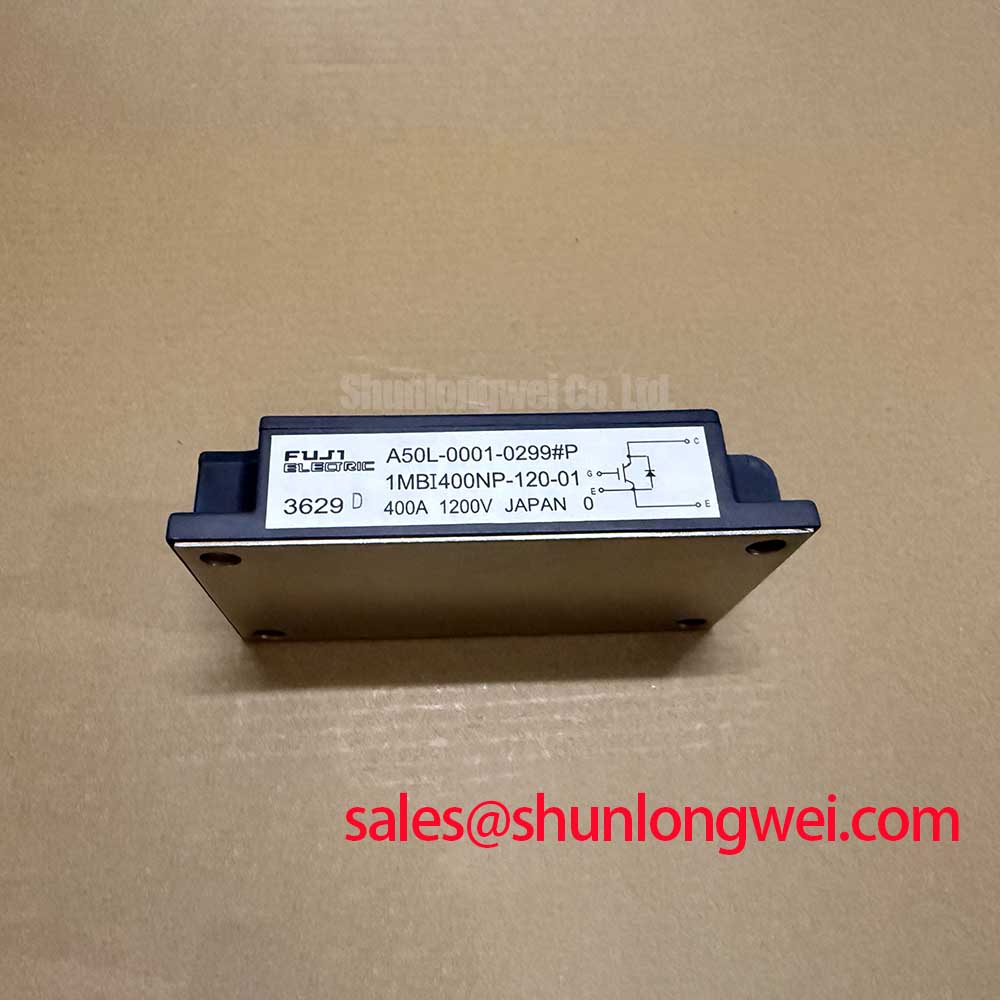
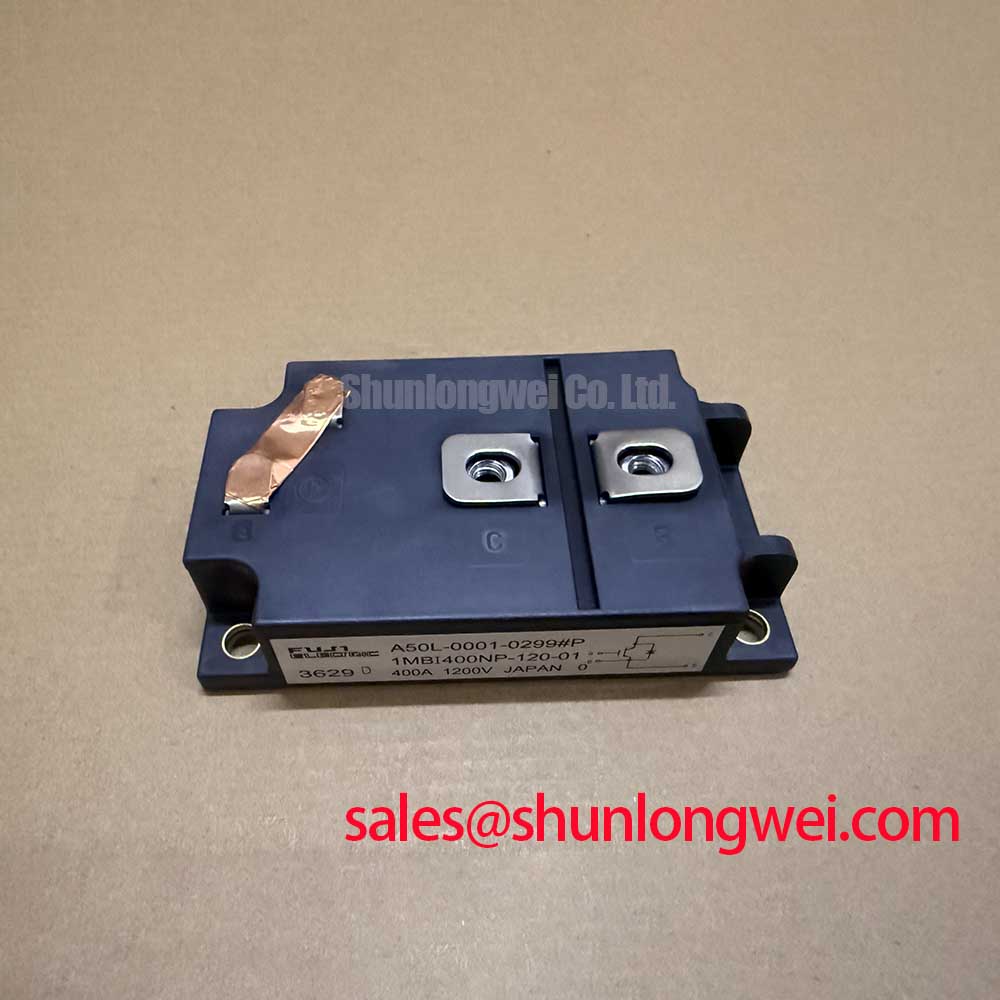
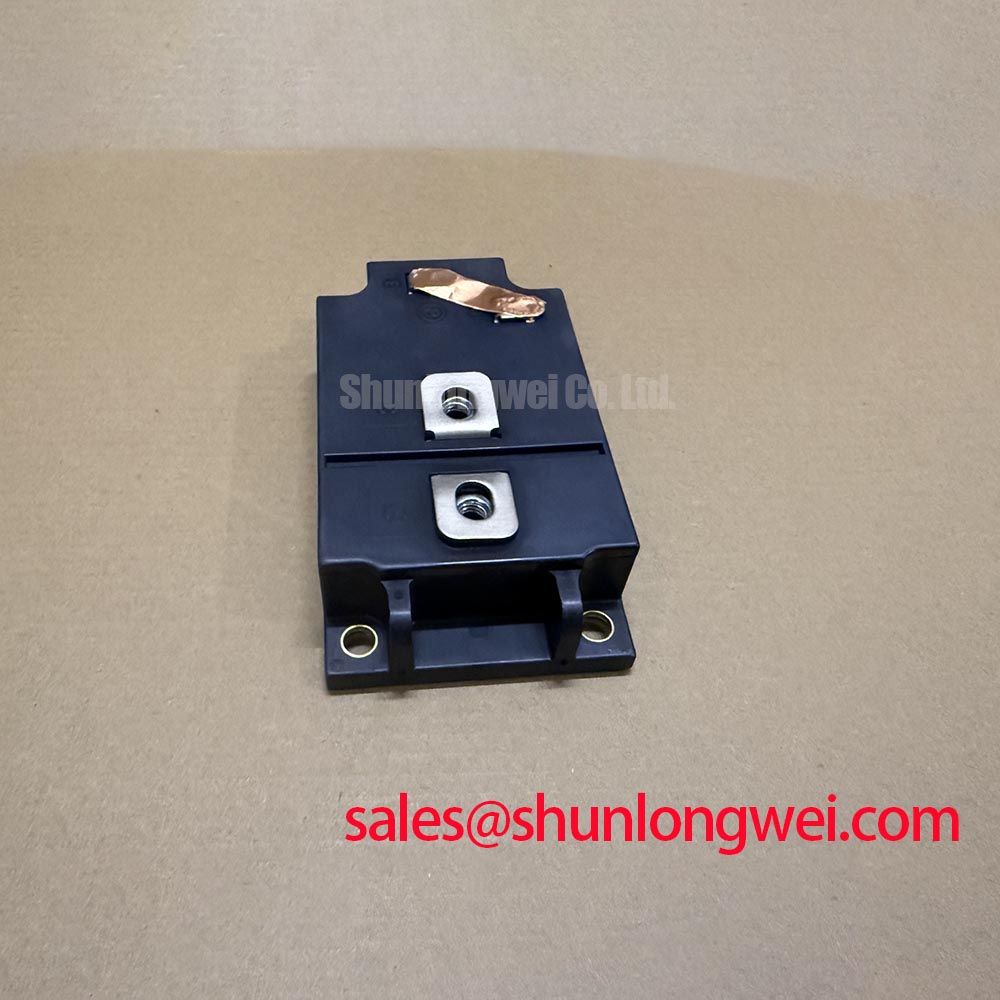
Fuji 1MBI4OONP-120-01 IGBT Module: 1200V 400A High-Speed
High-Speed Performance and Robust Switching Reliability
This Fuji Electric N-Series IGBT module delivers a potent combination of high-speed switching and exceptional durability for demanding power conversion systems. Its design prioritizes operational reliability, particularly through a Square Reverse Bias Safe Operating Area (RBSOA), ensuring the device can withstand the simultaneous stress of high voltage and current during turn-off cycles. This makes the 1MBI400NP-120-01 a resilient component for hard-switching topologies.
- Core Specifications: 1200V | 400A | VCE(sat) 2.2V (typ)
- Key Strengths: Low switching loss for higher frequency operation, high short-circuit withstand time for enhanced system protection.
- Engineered for Durability: The Square RBSOA provides a larger safety margin when switching inductive loads, a critical factor in motor drives and welding applications.
Download Official Datasheet (PDF)
Technical Analysis for System Optimization
The performance of the 1MBI400NP-120-01 is anchored in its datasheet-verified characteristics. The module’s low turn-off switching energy (Eoff) of 48 mJ (typical at Tj=125°C) directly contributes to lower power dissipation at higher operating frequencies. This reduction in switching loss is a key enabler for designing more efficient and compact systems, as it lessens the burden on thermal management infrastructure. By minimizing this energy loss during each cycle, designers can push frequencies higher to reduce the size of magnetic components.
A defining feature is its robust Square RBSOA. Think of the RBSOA as the certified operational envelope of the device under stress. A “square” RBSOA is like having a wider, more forgiving safety lane on a highway; it guarantees the IGBT can reliably turn off the full 400A collector current even when the collector-emitter voltage is high. This is not a standard feature on all IGBTs and is especially valuable in applications with significant stray inductance, where voltage overshoots during turn-off are common. This characteristic is central to preventing device failure and ensuring long-term operational reliability. Further insights into device durability can be found by understanding power and thermal cycling curves.
Optimized Application Scenarios
The specific parameters of this module make it a strong candidate for several power-intensive applications:
- Welding Power Supplies: The high current capacity (400A) and exceptional RBSOA handle the dynamic, inductive loads characteristic of arc welding.
- High-Frequency Inverters: Low switching losses (Eon=60mJ, Eoff=48mJ) enable efficient operation in solar inverters and uninterruptible power supplies (UPS) where higher frequencies are used to improve power quality and reduce component size.
- AC and DC Servo Drives: Fast and reliable switching allows for the precise current control needed in high-performance motor control systems. The inherent durability protects against the stresses of rapid acceleration and deceleration cycles.
This module is best matched for high-frequency systems requiring robust, reliable switching of inductive loads up to 400A.
Key Specification Parameters
| Absolute Maximum Ratings (Tc = 25°C) | ||
|---|---|---|
| Collector-Emitter Voltage (VCES) | 1200 V | |
| Continuous Collector Current (IC) | 400 A | |
| Pulsed Collector Current (ICpuls) | 800 A | |
| Gate-Emitter Voltage (VGES) | ±20 V | |
| Max Power Dissipation (PC) | 3100 W | |
| Operating Junction Temperature (Tj) | +150 °C | |
| Electrical Characteristics (Tj = 125°C) | ||
| Collector-Emitter Saturation Voltage (VCE(sat)) @ 400A | 2.2 V (Typ.) / 2.7 V (Max.) | |
| Turn-on Switching Energy (Eon) | 60 mJ (Typ.) | |
| Turn-off Switching Energy (Eoff) | 48 mJ (Typ.) | |
| FWD Forward Voltage (VF) @ 400A | 2.1 V (Typ.) / 2.6 V (Max.) | |
| Short-Circuit Withstand Time (tsc) | ≥ 10 µs (VCC=600V, VGE=15V) | |
| Thermal Resistance, Junction to Case (Rth(j-c)) | 0.04 °C/W (IGBT) | |
Engineer’s FAQ
What is the significance of the Square RBSOA for the 1MBI400NP-120-01?
A Square RBSOA guarantees the module’s ability to safely turn off high currents under high collector-emitter voltage conditions. This is a critical reliability feature in hard-switched applications with inductive loads, such as motor drives, where it provides a wider safety margin against destructive failure during switching events.
What is the recommended mounting torque for this module?
The datasheet specifies a mounting torque for the M6 mounting screws in the range of 2.5 to 3.5 N·m. For the main M6 terminals, a torque of 3.5 to 4.5 N·m is recommended. Adhering to these values is critical for establishing low thermal resistance and reliable electrical connections. For more on module reliability, see our guide on the role of silicone gel in IGBTs.
How do the VCE(sat) and switching energy values impact thermal design?
Both parameters are primary sources of heat generation. The VCE(sat) determines conduction losses (heat generated when the IGBT is on), while Eon/Eoff values determine switching losses (heat generated during turn-on/off transitions). A comprehensive thermal management strategy must account for both losses, calculated based on the application’s duty cycle and frequency, to select an appropriate heatsink and maintain the junction temperature below the 150°C maximum.
System Design Enablement
The Fuji Electric 1MBI400NP-120-01 is engineered to provide a stable and efficient core for high-power converters. Its balance of switching speed, low conduction loss, and robust safe operating area empowers engineers to develop systems that are not only high-performing but also resilient under the stressful conditions of real-world industrial applications. This module’s specifications directly support goals of improved efficiency and long-term reliability.