Fuji 2MBI100U4A-120 IGBT: A Technical Analysis for Industrial Power Conversion
Fuji 2MBI100U4A-120 IGBT: 1200V, 100A Dual Module
Introduction and Core Highlights
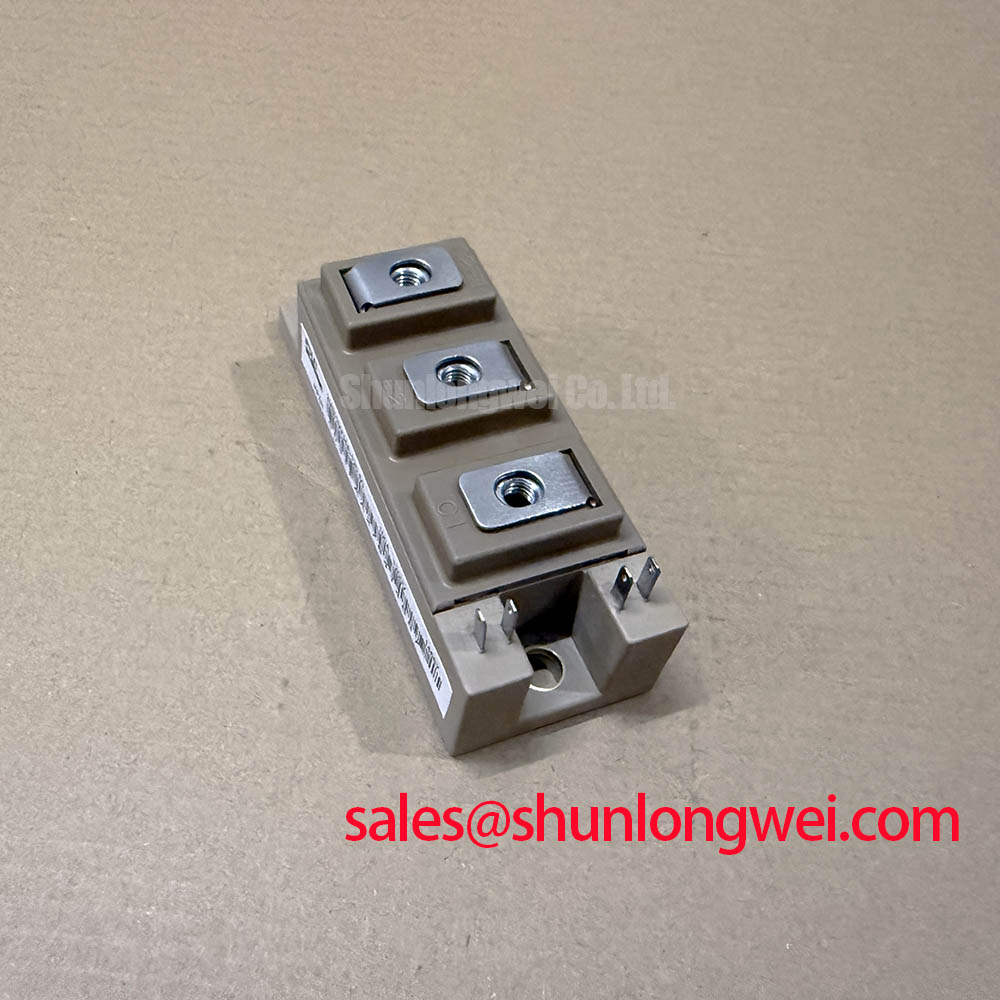
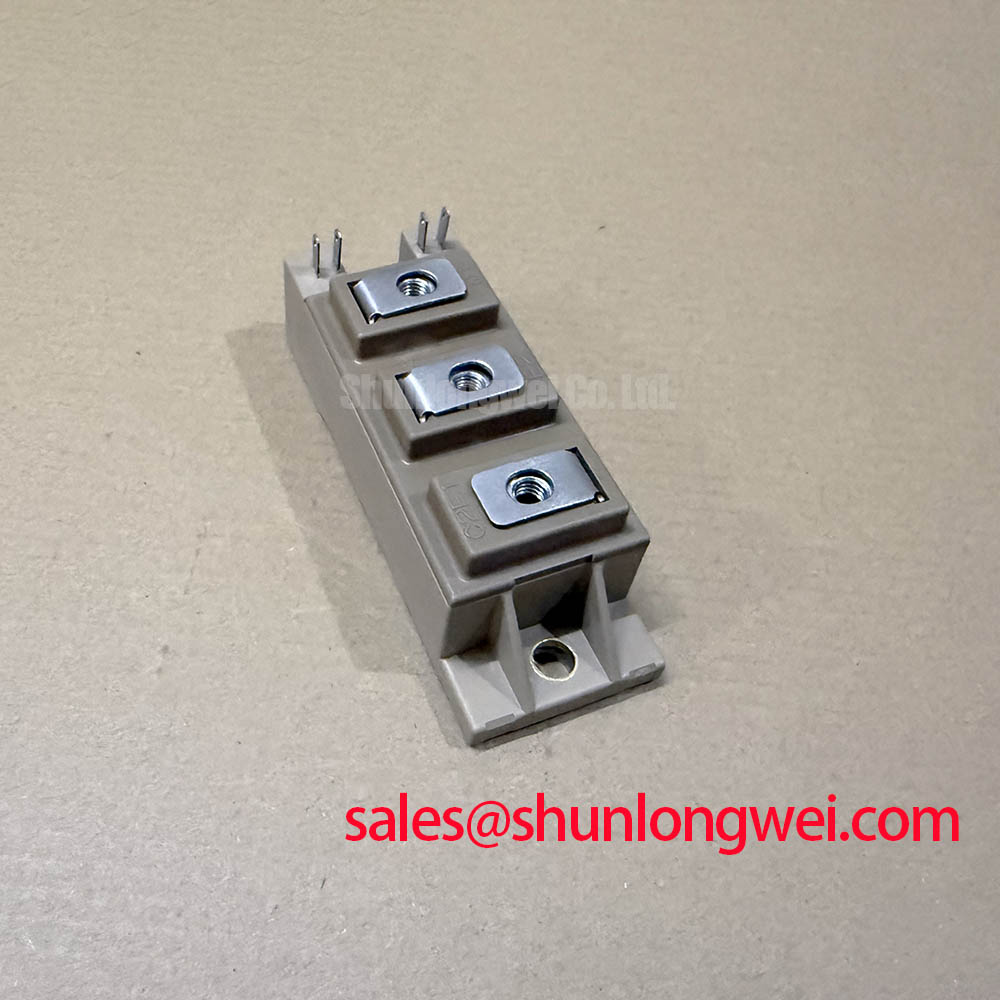
The Fuji Electric 2MBI100U4A-120 is a 1200V, 100A dual IGBT module from the U-Series, offering a balanced performance profile for industrial power converters. This module leverages Fuji’s thin wafer and fine-pattern chip technology to reduce power losses and enable efficient operation. It integrates two IGBTs in a half-bridge configuration within a single, industry-standard package, simplifying the mechanical layout of inverter legs. An included NTC thermistor provides a direct path for monitoring the module’s operating temperature, a critical function for system reliability.
- Core Specifications: 1200V | 100A | VCE(sat) 2.2V (typ)
- Key Advantages: Optimized for low conduction loss, includes an integrated NTC for temperature monitoring.
For complete operational characteristics and thermal design curves, please refer to the official documentation.
Download Official Datasheet (PDF)

Technical Analysis: Balancing Losses and Thermal Management
The engineering value of the 2MBI100U4A-120 is rooted in its U-Series chip architecture. The datasheet specifies a typical collector-emitter saturation voltage (VCE(sat)) of 2.2V at its nominal current (100A, Tj=125°C). This parameter is a direct measure of conduction loss; a lower value means less power is dissipated as heat while the IGBT is active. This efficiency is achieved through proprietary “thin wafer” and “fine pattern” technologies, which optimize the trade-off between on-state voltage drop and switching losses. This balance is fundamental for achieving high efficiency in hard-switching applications like Variable Frequency Drives (VFDs).
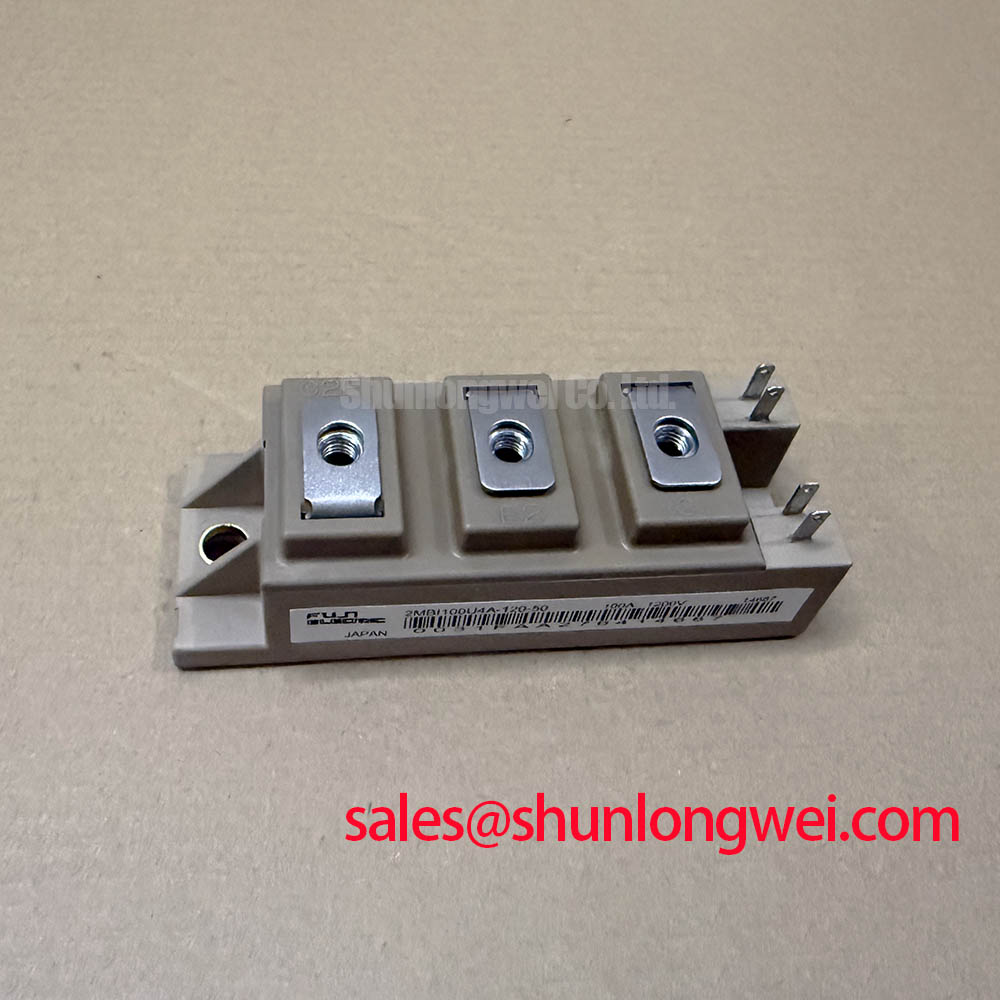
Effective thermal management is critical for IGBT reliability. This module’s datasheet quantifies its ability to transfer heat with a thermal resistance from junction to case (Rth(j-c)) of 0.20 K/W for the IGBT. Think of thermal resistance as the narrowness of a pipe carrying heat; a lower number signifies a wider pipe, allowing heat to escape the silicon chip more easily. This efficient heat transfer, combined with the integrated NTC thermistor, enables precise thermal oversight. Engineers can use the thermistor’s feedback to implement over-temperature protection or dynamic performance adjustments, as explored in guides on mastering IGBT thermal design.
Optimized Application Scenarios
The specific characteristics of the 2MBI100U4A-120 make it a strong candidate for several high-power applications:
- Variable Frequency Drives (VFDs): The module’s dual half-bridge topology and balanced loss characteristics are well-suited for the 3-phase inverter stages of industrial motor controls.
- Solar Inverters: Its 1200V blocking voltage provides the necessary margin for high DC bus voltages found in photovoltaic systems, while its efficiency helps maximize energy harvest.
- Uninterruptible Power Supplies (UPS): The 100A current capability and robust thermal performance ensure reliable power delivery during critical backup operations.
- Welding Power Supplies: The module’s specified short-circuit withstand time of 10μs (at Vcc=600V) provides the durability required to survive the demanding, short-duration overload conditions common in welding.
This module is best matched for inverter designs where thermal efficiency and robust performance in the 20-40 kW range are primary engineering goals.
Key Specification Parameters
| Parameter | Value | |
|---|---|---|
| Absolute Maximum Ratings | ||
| Collector-Emitter Voltage (Vces) | 1200V | |
| Continuous Collector Current (Ic) at Tc=80°C | 100A | |
| Gate-Emitter Voltage (Vges) | ±20V | |
| Short Circuit Withstand Time (tsc) at Tj=125°C | 10µs | |
| Operating Junction Temperature (Tj) | +150°C | |
| Electrical Characteristics (IGBT and FWD) | ||
| Collector-Emitter Saturation Voltage (VCE(sat)) at Ic=100A, Tj=125°C | 2.2V (typ), 2.7V (max) | |
| FWD Forward Voltage (Vf) at Ie=100A, Tj=125°C | 1.8V (typ), 2.3V (max) | |
| Gate-Emitter Threshold Voltage (Vge(th)) | 5.0V to 7.0V | |
| Thermal & Mechanical Characteristics | ||
| Thermal Resistance, Junction-to-Case (Rth(j-c)), IGBT | 0.20 K/W (max) | |
| Thermal Resistance, Junction-to-Case (Rth(j-c)), FWD | 0.40 K/W (max) | |
| Mounting Torque (Mounting holes) | 3.5 – 6.5 Nm | |
| NTC Thermistor Resistance (R25) | 5 kΩ ± 3% | |

Engineer’s FAQ
- What are the NTC thermistor characteristics for the 2MBI100U4A-120?
- The integrated NTC thermistor has a nominal resistance of 5 kΩ at 25°C with a tolerance of ±3%. The B-value (B25/100) is specified as 3450 K ± 2%, which allows for accurate temperature calculation across the operating range.
- How important is mounting torque for this module?
- Adhering to the specified mounting torque of 3.5 to 6.5 Nm is critical. Insufficient torque creates gaps between the module baseplate and the heatsink, increasing thermal resistance and leading to higher chip temperatures. Excessive torque can induce mechanical stress on the module’s substrate, potentially causing cracks and long-term reliability failures.
- Is the 2MBI100U4A-120 suitable for paralleling?
- Yes, the datasheet indicates a positive temperature coefficient for VCE(sat). This characteristic is essential for thermal stability when paralleling IGBTs, as it causes hotter chips to conduct slightly less current, naturally promoting current balancing between parallel devices. For robust design, symmetrical PCB layouts are also recommended to minimize stray inductance mismatches, a topic further explored in articles on parasitic inductance in IGBTs.
- What defines the performance of the integrated free-wheeling diode (FWD)?
- The FWD is co-packaged with the IGBT and is optimized for its role. Key parameters include a low forward voltage drop (Vf) of 1.8V (typ) to reduce diode conduction losses and controlled reverse recovery characteristics to minimize switching losses and EMI during turn-on of the opposing IGBT. The FWD is the IGBT’s silent partner, critical to inverter performance.
Enabling Robust and Efficient Power Conversion
The 2MBI100U4A-120 offers a solid foundation for industrial power conversion systems. Its U-Series technology provides a desirable balance between conduction and switching losses, while the integrated thermistor facilitates superior thermal management. These features empower engineers to develop more reliable and thermally efficient inverter systems.