Fuji 2FI200S-140 IGBT: A Technical Analysis of Thermal Performance and Reliability
“`html
Fuji 2FI200S-140 IGBT Module | 1400V 200A V-Series
Introduction and Core Highlights
The Fuji Electric 2FI200S-140 is a V-Series IGBT module that provides a foundation for high-reliability power conversion systems. Its unique value proposition is centered on its robust thermal performance and the proven reliability of Fuji’s 7th generation chip technology, enabling stable operation in demanding industrial environments. This module’s low thermal resistance simplifies heatsink selection and overall thermal management, a critical factor in achieving long service life.
- Core Specifications: 1400V | 200A | Tj(op) 175°C
- Key Advantages: Enables robust thermal designs, enhances long-term system reliability.
Download Official Datasheet (PDF)
Technical Analysis
A defining characteristic of the 2FI200S-140 module is its high maximum operating junction temperature (Tj(op)) of 175°C. This provides a significant thermal margin, allowing the device to withstand operational power cycling and transient overloads without degradation. This thermal ruggedness is directly supported by its low junction-to-case thermal resistance (Rth(j-c)) of 0.09 K/W per IGBT. Think of thermal resistance as the narrowness of a hallway for heat trying to escape. The 2FI200S-140’s low Rth(j-c) acts like a wide, unobstructed corridor, allowing heat to move efficiently from the semiconductor chip to the heatsink, which is fundamental for maintaining system reliability.
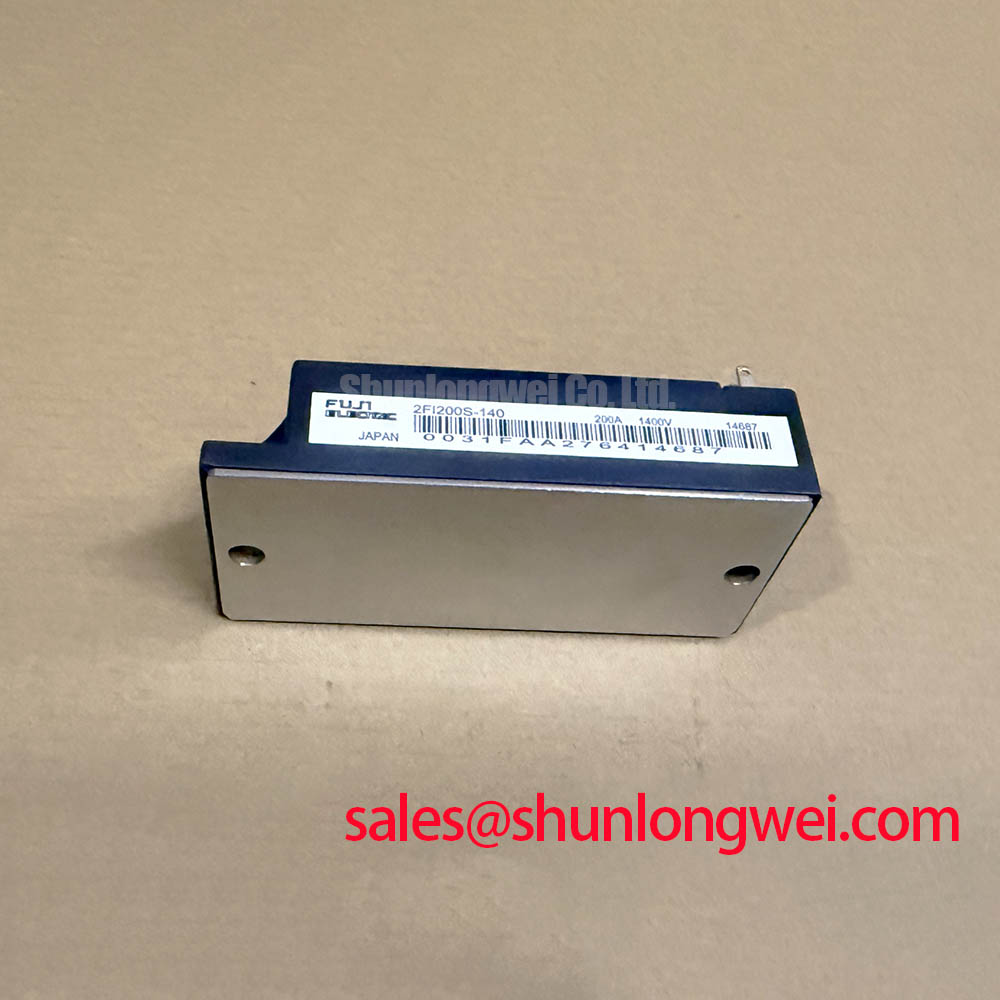
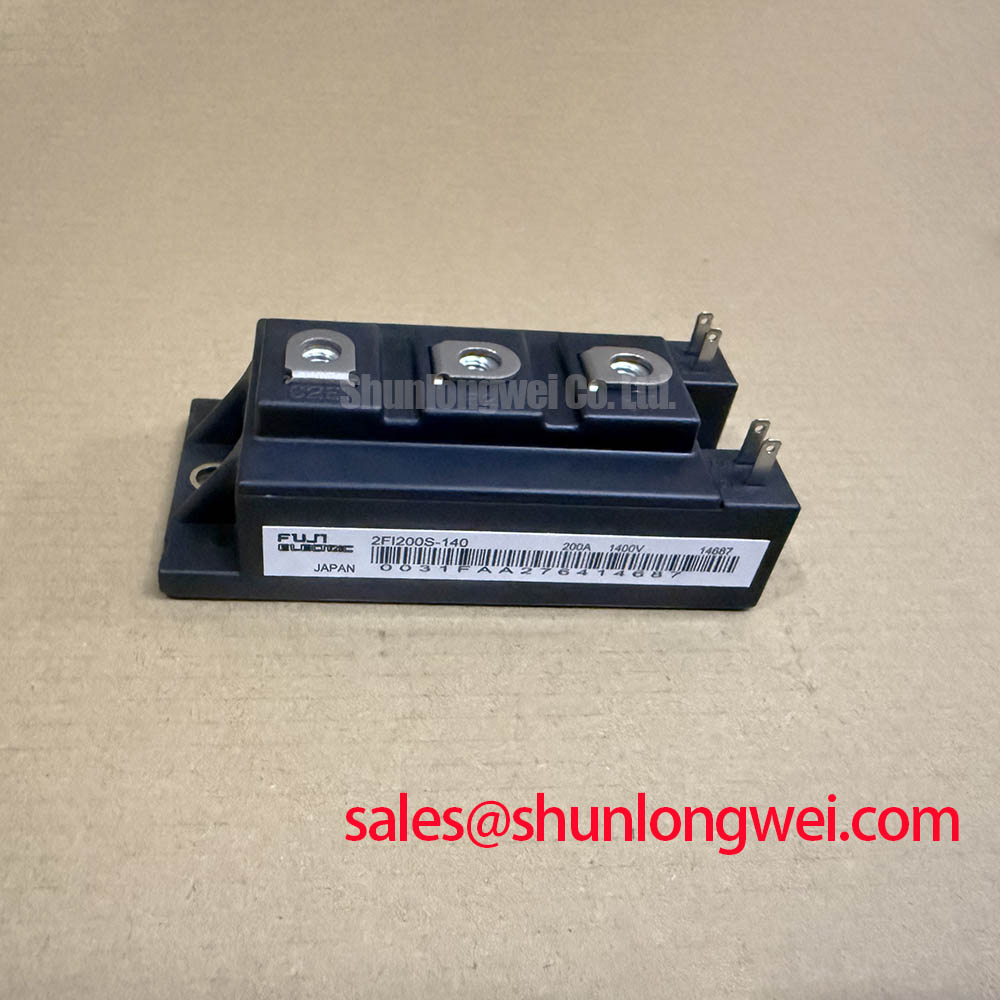
The module’s electrical performance reflects a balanced design approach. The typical collector-emitter saturation voltage (VCE(sat)) is specified at 3.2V at its nominal current of 200A and a junction temperature of 125°C. This parameter directly influences conduction losses when the switch is on. This is complemented by controlled switching characteristics, which manage the energy lost during turn-on and turn-off transitions. This balance between conduction and switching losses, a feature of Fuji’s 7th generation technology, makes the module adaptable for a range of switching frequencies found in industrial power semiconductors and motor drives.
Optimized Application Scenarios
The technical specifications of this module make it well-suited for several high-voltage applications:
- Industrial Motor Drives: The 1400V blocking voltage provides a robust safety margin for inverters operating on 575V or 690V AC lines, where voltage spikes are common.
- Uninterruptible Power Supplies (UPS): Its documented reliability and high operating temperature of 175°C ensure dependable performance during critical uptime scenarios.
- Power Converters & Inverters: The integrated 2-in-1 (half-bridge) configuration is a standard building block for creating efficient AC-DC and DC-AC converters.
- Renewable Energy Systems: Suitable for use in solar and wind power inverters that require both high voltage capability and long-term operational stability.
This module is an optimal match for high-voltage industrial systems requiring proven reliability and efficient thermal performance under demanding operational cycles.

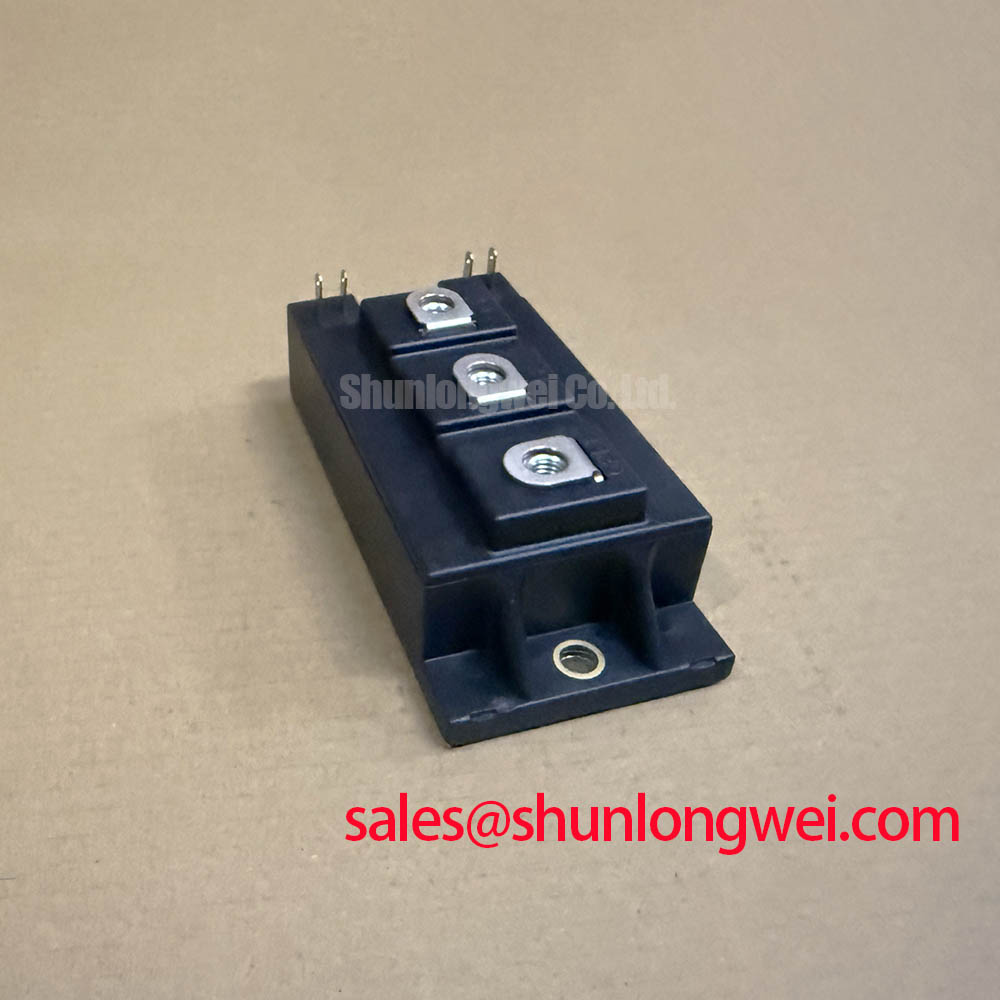
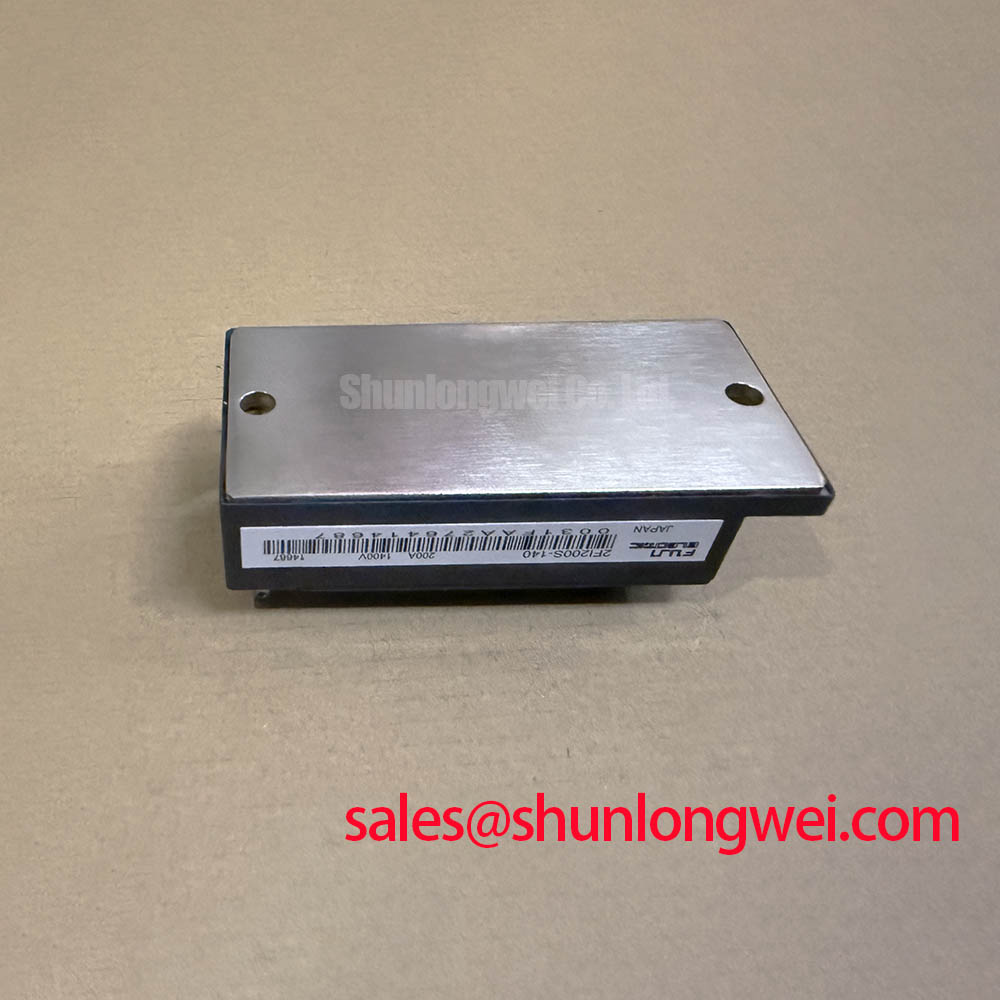
Key Specification Parameters
| Absolute Maximum Ratings (Tc = 25°C unless otherwise specified) | |
|---|---|
| Collector-Emitter Voltage (VCES) | 1400V |
| Continuous Collector Current (IC) at Tc=80°C | 200A |
| Operating Junction Temperature (Tj(op)) | -40 to +175°C |
| Electrical and Thermal Characteristics (Tj = 125°C unless otherwise specified) | |
| Collector-Emitter Saturation Voltage (VCE(sat)) (Typ. at IC=200A) | 3.2V |
| Turn-on Switching Loss (Eon) (Typ.) | 34 mJ |
| Turn-off Switching Loss (Eoff) (Typ.) | 32 mJ |
| Thermal Resistance, Junction to Case (Rth(j-c)) (IGBT) | 0.09 K/W |
| Isolation Voltage (Visol) (AC, 1 min.) | 2500V |
Engineer FAQ
1. What is the key consideration when selecting a heatsink for the 2FI200S-140?
The most critical parameter is the thermal resistance from junction-to-case, Rth(j-c), which is 0.09 K/W for the IGBT. Your total thermal design must ensure the junction temperature remains below the 175°C maximum. The heatsink’s thermal resistance must be low enough to dissipate the calculated power loss (conduction + switching) effectively. A proper calculation based on datasheet values is essential.
2. How does mounting torque affect the performance of this module?
Incorrect mounting torque directly impacts thermal performance. The datasheet specifies a mounting torque of 3 to 5 N·m for the M6 terminal screws. Applying insufficient torque creates gaps, increasing the contact thermal resistance and leading to higher operating temperatures. Conversely, excessive torque can warp the baseplate, also impairing thermal contact. Adhering to the specified range is critical for reliability.
3. What does the “2-in-1” configuration of the 2FI200S-140 signify?
The “2-in-1” designation indicates that the module contains two IGBTs with anti-parallel free-wheeling diodes connected in a half-bridge configuration. This is a fundamental topology for building one leg of a three-phase inverter, simplifying the overall power stage design.
Closing Statement
The Fuji Electric 2FI200S-140 module offers a robust and reliable solution for high-voltage power conversion. By leveraging a high operating temperature capability and efficient thermal dissipation characteristics, it provides engineers with the performance and design margin needed to create durable and stable industrial power systems.
“`