G150XTN03.4: A Technical Analysis of a Reliable Industrial Display
## G150XTN03.4: 15.0″ XGA Display for Industrial Reliability
The AUO G150XTN03.4 is a 15.0-inch a-Si TFT-LCD module engineered for durability and consistent visual performance in demanding industrial applications. It delivers a balanced feature set focused on long-term operational stability, with its extended backlight lifetime and robust thermal tolerance being primary engineering advantages. This makes it a dependable component for systems where reliability is a critical design requirement.
* **Core Specifications:** 1024×768 XGA | 350 cd/m² Brightness | 50,000-Hour WLED Backlight
* **Key Advantages:** Optimized for longevity and reduced maintenance cycles; provides clear readability in typical industrial lighting conditions.
* **Intended Use:** Serves as a stable and reliable foundation for Human-Machine Interface (HMI) panels, process control systems, and test equipment.
Download Official G150XTN03.4 Datasheet (PDF)
### Technical Analysis for System Integration
The G150XTN03.4 is built around a specification that prioritizes endurance and functional clarity over cutting-edge display metrics. Its WLED backlight system is rated for a 50,000-hour lifetime, a crucial parameter for engineers designing systems intended for continuous operation. This extended lifespan directly contributes to a lower total cost of ownership by minimizing the need for backlight replacement, a common failure point in lesser displays. You can learn more about the importance of proactive management of industrial LCD backlight lifespan to ensure system longevity.
The display’s thermal design is a cornerstone of its industrial utility. While some sources note a 0 to 65°C operating range, others indicate a wider preliminary specification, highlighting the importance of consulting the official datasheet for the final certified parameters. This capacity to perform in varied thermal conditions is essential for deployment in environments without stringent climate control, such as factory floors or embedded vehicle systems. Think of the thermal operating range as a component’s native resilience; a wider range simplifies system enclosure design, potentially reducing the need for active cooling components like fans or complex ventilation.

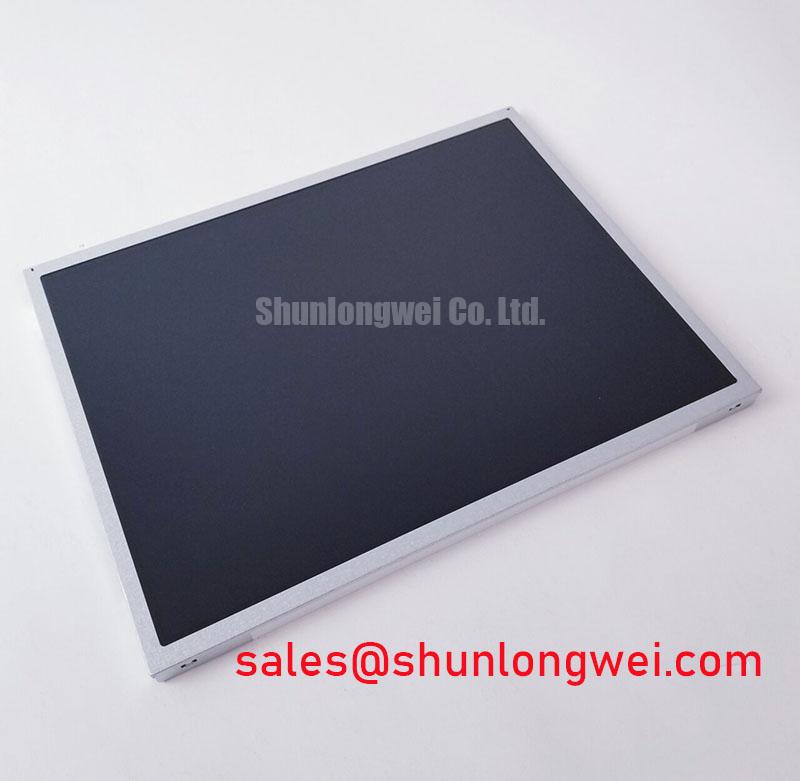
Visually, the G150XTN03.4 provides a practical feature set for industrial tasks. The 1024×768 XGA resolution remains a widely supported standard, ensuring compatibility with a vast range of industrial PCs and single-board computers. Its 350-nit brightness and 800:1 contrast ratio, combined with an anti-glare surface treatment, deliver excellent readability for displaying GUIs, process data, and diagnostic information under typical ambient lighting. This focus on functional clarity is a key aspect of essential HMI specifications for smart factories.
### Optimized Application Scenarios
The specific combination of features in the G150XTN03.4 makes it a strong candidate for several industrial use cases:
* **Industrial HMI Panels:** The 50,000-hour backlight lifetime ensures the display can endure the 24/7 operational demands of factory automation and control.
* **Test and Measurement Equipment:** Its stable performance and standard eDP interface allow for straightforward integration into diagnostic tools that require reliable data visualization.
* **Process Control Consoles:** The 80/80/70/80 typical viewing angles ensure that critical process information is clearly visible to operators from multiple positions.
* **Information Kiosks:** The robust mechanical design, with a specified maximum weight of 1.02 kg and side mounting holes, facilitates secure installation in public-facing enclosures.
This display is best matched for applications where long-term reliability and a standard, easy-to-integrate interface are more critical than premium color accuracy or resolution.
### Key G150XTN03.4 Specifications
| Feature | Specification | Notes |
| :— | :— | :— |
| **Panel Type** | a-Si TFT-LCD, Normally White | TN, Transmissive Technology |
| **Size & Resolution** | 15.0-inch / 1024(RGB)×768 [XGA] | 4:3 Aspect Ratio |
| **Brightness** | 350 cd/m² (Typical) | |
| **Contrast Ratio** | 800:1 (Typical) | |
| **Viewing Angle (L/R/U/D)** | 80/80/70/80 (Typ.) (CR≥10) | |
| **Color Support** | 262K / 16.7M (6-bit / 6-bit + FRC) | 60% NTSC (CIE1931) |
| **Interface** | eDP (1 Lane), 30 pins Connector | |
| **Backlight** | WLED, 50,000 hours (Typ.) | Embedded LED Driver |
| **Operating Temperature** | 0°C to 65°C | |
| **Storage Temperature** | -20°C to 65°C | |
| **Surface Treatment** | Antiglare, Hard coating (3H) | |
| **Outline Dimensions** | 326.5 × 253.5 × 10.0 mm (Max.) | |
### Engineer’s FAQ
**1. What is the certified operating temperature of the G150XTN03.4?**
The official datasheet specifies an operating temperature range of 0°C to 65°C and a storage range of -20°C to 65°C. This makes it suitable for controlled indoor industrial environments but may require a heater for reliable startup in sub-zero conditions.
**2. How does the 50,000-hour backlight lifetime translate to real-world performance?**
A 50,000-hour rating typically means the time until the backlight’s brightness degrades to 50% of its initial value under specified operating conditions. For a system running 24/7, this translates to over 5.7 years of continuous operation, making it a highly reliable choice for applications where maintenance is difficult or costly.
**3. What do I need to drive this display’s eDP interface?**
The G150XTN03.4 uses a 30-pin eDP (Embedded DisplayPort) connector with a single lane. Your host system, such as a single-board computer or an industrial motherboard, will need a corresponding eDP output. The interface supports both 6-bit and 8-bit color data, which can be selected to match the capabilities of your graphics controller.
**4. Is the G150XTN03.4 suitable for outdoor, direct sunlight applications?**
No, this display is not designed for direct sunlight readability. Its 350-nit brightness is well-suited for indoor industrial and commercial environments. For outdoor use, a display with a brightness of 1000 nits or more, often combined with optical bonding, would be required. Learn more about the factors affecting sunlight readability in our technical guide.
***
This AUO display provides a robust and reliable core for industrial systems. Its design prioritizes operational endurance and clear visuals in workplace settings, offering a dependable platform for engineers building long-lasting and low-maintenance equipment.