KL6440RSTS-B: Technical Overview and Industrial Applications of the 640×400 Monochrome STN LCD Module
KL6440RSTS-B Optrex Industrial 640×400 Graphic LCD Module
M2: Authoritative Technical Overview of the KL6440RSTS-B
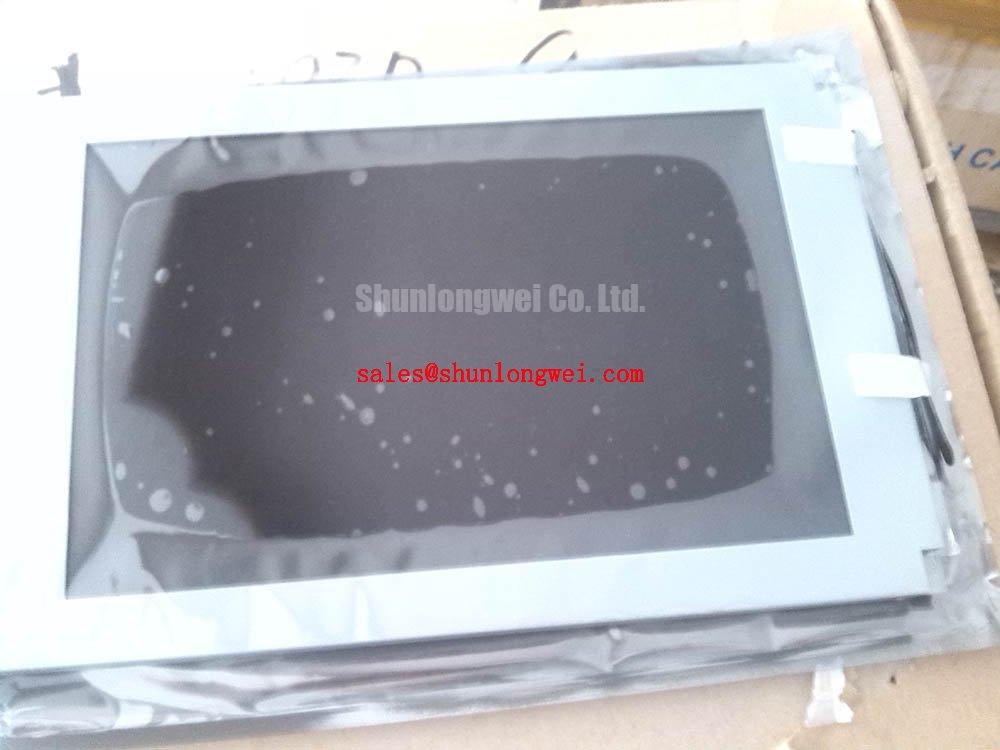
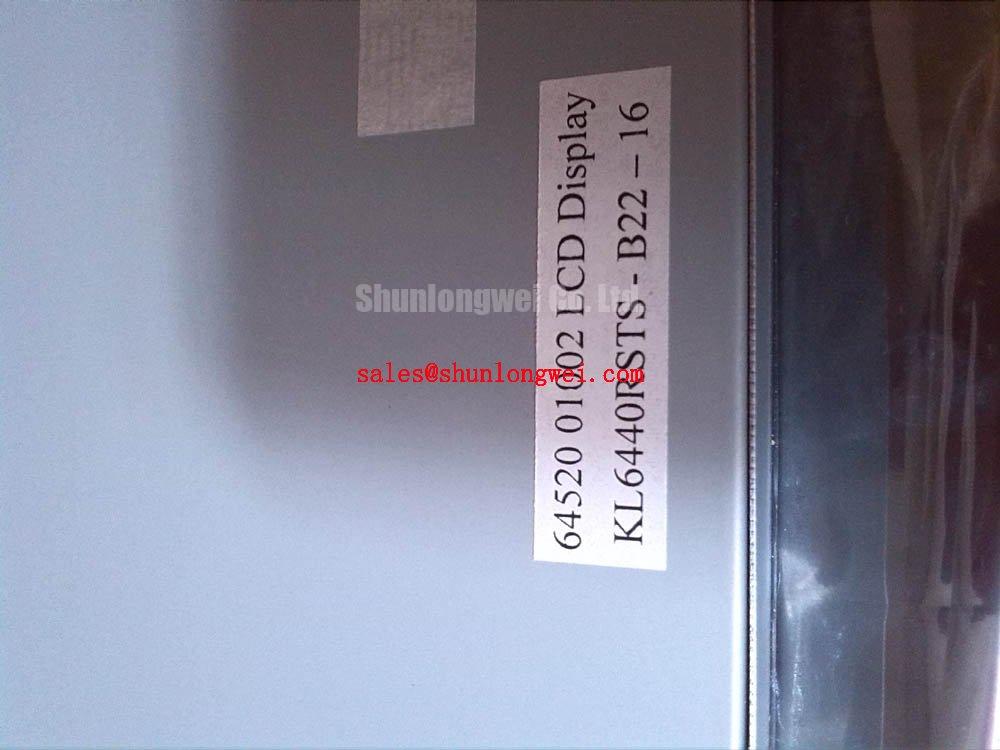
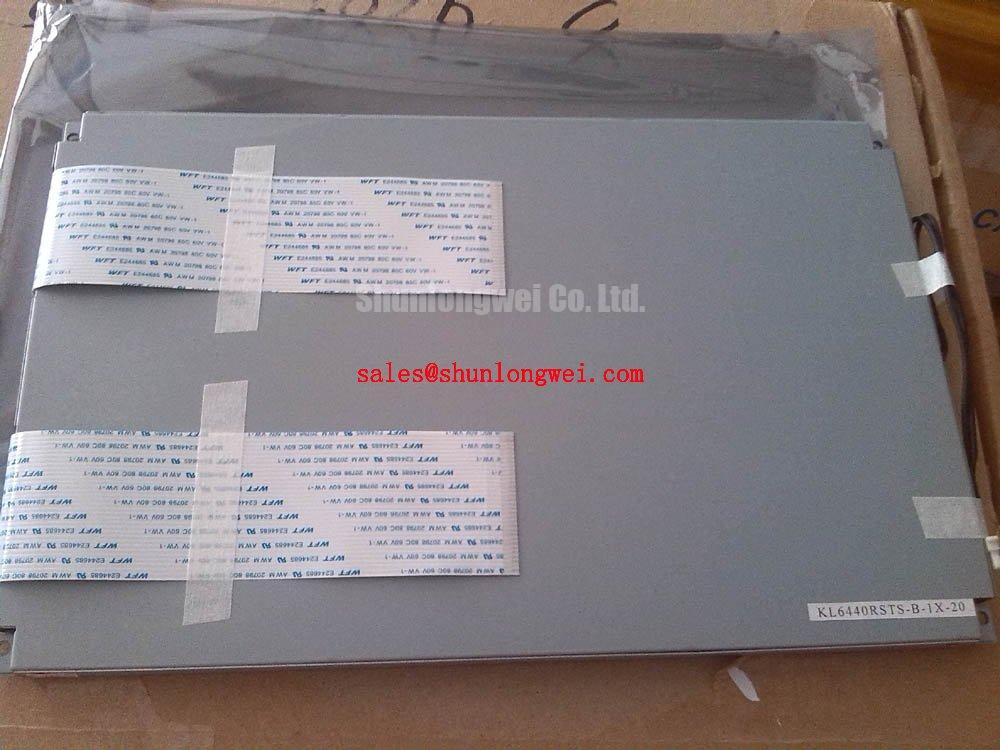
The KL6440RSTS-B is a high-density monochrome STN (Super-Twisted Nematic) graphic display module originally engineered by Optrex (now Kyocera). Distinguished by its specialized 640×400 resolution, this module serves as a critical component for legacy industrial environments where detailed graphical data and high text density are paramount. Its transmissive display mode, coupled with a robust CCFL backlight system, ensures consistent legibility across varying ambient light conditions commonly found in manufacturing floors. Unlike standard QVGA panels, the KL6440RSTS-B offers a wider aspect ratio, making it an essential replacement part for specific CNC controllers and medical diagnostic instrumentation.
- Core Specifications: 640 x 400 Dots | STN Monochrome | Transmissive Mode
- Key Advantage 1: High pixel density for a monochrome graphic display, allowing for precise waveform rendering and complex diagnostic menus.
- Key Advantage 2: Long-term thermal stability, maintaining contrast integrity in the high-heat environments of industrial control cabinets.
Engineers often ask: “Can the KL6440RSTS-B be integrated into systems originally designed for 640×480 VGA?” While the horizontal resolution matches, the 400-line vertical count requires specific timing adjustments in the display controller or BIOS to prevent image stretching or signal mismatch.
Download Official Datasheet (PDF)

M3: Technical Analysis of Display Performance
The engineering value of the KL6440RSTS-B lies in its STN-LCD architecture. Super-Twisted Nematic technology provides a higher twist angle (typically 180° to 270°) compared to standard TN displays, which significantly enhances the contrast and multiplexing capability. This allows the 640×400 matrix to maintain sharp edges on characters and symbols without the “ghosting” effects often seen in lower-quality panels. For maintenance engineers, understanding the proactive management of industrial LCD backlight lifespan is crucial, as the CCFL backlight in this model is the primary wear-out component over decades of continuous operation.
A critical parameter for the KL6440RSTS-B is its duty cycle and bias voltage. Because it is a passive matrix display, the contrast is highly dependent on the stability of the liquid crystal driving voltage (Vee). You can think of the liquid crystal response like a mechanical spring; the bias voltage provides the tension, and the data signals provide the “push.” If the tension (bias) isn’t calibrated correctly for the ambient temperature, the spring won’t bounce back fast enough, resulting in a faded or “washed out” display. The KL6440RSTS-B includes built-in temperature compensation circuitry to mitigate this effect, ensuring the HMI remains readable from -0°C to +50°C.
M4: Optimized Application Scenarios
- CNC Machine Tools: Ideal for Fanuc or Mitsubishi controllers requiring a 640×400 dot matrix to display G-code and toolpath geometry accurately.
- Medical Monitoring: Used in legacy patient monitors where the monochrome high-resolution screen provides clear EKG/ECG waveforms without the noise of color filters.
- Automotive Diagnostics: Provides sufficient resolution for complex engine mapping graphs and diagnostic fault trees in rugged workshop handhelds.
- Industrial Weighing Scales: Excellent for displaying multi-line inventory data and graphical weight-trend indicators.
The KL6440RSTS-B is the definitive choice for sustaining industrial HMIs that utilize a 16:10 monochrome graphical signal architecture.
M5: Key Specifications Table
| Category | Parameter | Value |
|---|---|---|
| Physical Properties | Resolution | 640 x 400 Dots |
| Dot Pitch | 0.33 x 0.33 mm | |
| Effective Area | 211.17 x 131.97 mm | |
| Electrical Characteristics | Logic Voltage (Vdd) | 5.0V (Typical) |
| Interface Type | Parallel 4-bit / 8-bit | |
| Environmental | Operating Temp | 0°C to +50°C |
| Storage Temp | -20°C to +60°C |
M6: Engineer FAQ for KL6440RSTS-B
Q1: What is the most common failure mode for the KL6440RSTS-B in the field?
A: The most frequent issue is the gradual dimming of the CCFL backlight. Because these units are often used in 24/7 industrial environments, the lamp reaches its half-brightness point after approximately 10,000 to 20,000 hours. Replacing the CCFL lamp or the high-voltage inverter usually restores full functionality.
Q2: Is the KL6440RSTS-B compatible with modern LCD controllers?
A: Yes, but it requires a controller capable of driving passive matrix (STN) logic. It does not use the LVDS or eDP interfaces found in modern panels. Refer to our guide on cross-brand LCD driver IC migration for insights into signaling challenges.
Q3: Can I adjust the contrast software-side?
A: Contrast is primarily controlled by the external LCD driving voltage (Vee). While some industrial controllers allow for digital control of this voltage, many legacy systems use a physical potentiometer located near the display interface.
M7: Empowering Industrial Longevity
The KL6440RSTS-B remains a cornerstone for maintaining the operational readiness of high-value industrial assets. By providing a reliable, high-resolution monochrome graphical interface, it allows engineers to preserve the integrity of specialized control systems without the prohibitive costs of a full HMI redesign. Leveraging proven LCD core technology, this Optrex module delivers the technical consistency required for demanding diagnostic and CNC applications.