LG Display LM260WU2-SLA1: A 26.0-Inch WUXGA IPS LCD Panel for Industrial and Medical Applications
LM260WU2-SLA1 LG Display 26.0″ WUXGA Industrial IPS LCD Panel
Introduction and Core Highlights
The LM260WU2-SLA1 is a professional-grade 26.0-inch TFT-LCD module manufactured by LG Display, featuring a high-fidelity WUXGA (1920×1200) resolution. Engineered for demanding industrial and medical diagnostic systems, this display incorporates advanced IPS (In-Plane Switching) technology to deliver ultra-wide viewing angles and outstanding color consistency. For engineers seeking a replacement display with reliable LVDS connectivity, this panel offers a robust legacy interface for stable signal transmission.
- Core Specifications: 26.0″ WUXGA (1920 × 1200) | 400 cd/m² Brightness | 1000:1 Contrast Ratio
- Engineering Value: S-IPS technology eliminates grayscale inversion; legacy 30-pin interface simplifies retrofitting in older hardware architectures.
Access LCD Core Technology Support and Documentation


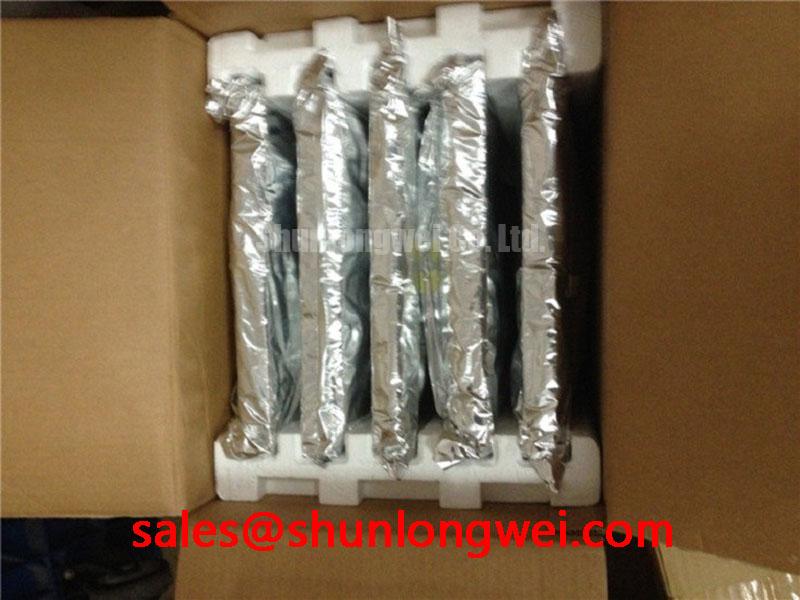
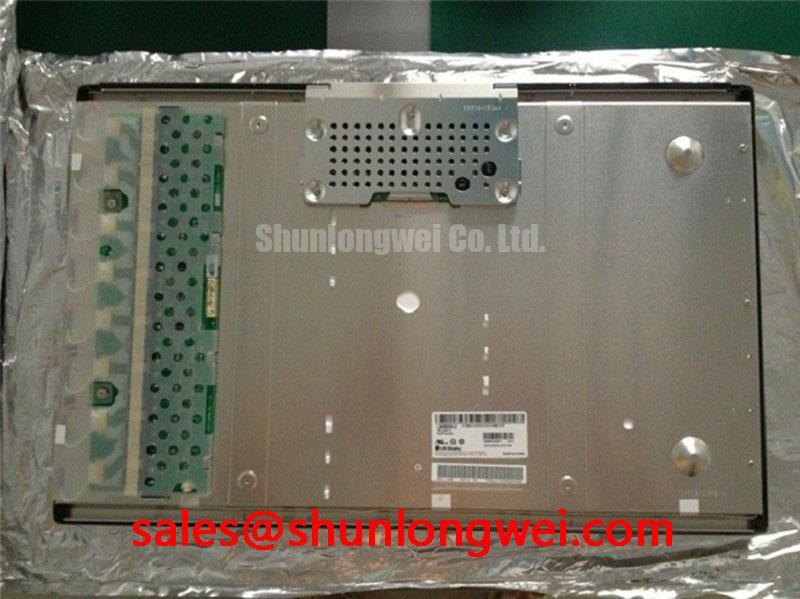
Technical Analysis of S-IPS Grayscale Consistency
The primary engineering challenge in large-format industrial monitors is maintaining uniform chromaticity across a wide viewing field. Traditional TN panels suffer from severe grayscale inversion at off-center angles. The LM260WU2-SLA1 addresses this limitation by using Super-IPS technology. In S-IPS, the liquid crystal molecules are aligned parallel to the glass substrate. When an electric field is applied, the molecules rotate within the plane, keeping light transmission uniform regardless of the observer’s viewing angle (up to 178 degrees horizontally and vertically).
To understand contrast ratio in high-precision environments, imagine trying to read grey text on a grey wall versus reading crisp black ink on bright white paper. The 1000:1 contrast ratio of the LM260WU2-SLA1 acts like that sharp black-on-white layout, making fine diagnostic details stand out clearly from the background. This high contrast level is critical when rendering complex medical imaging data or high-density industrial schematics, ensuring that subtle variations in grey tones are fully perceptible to the operator.
Furthermore, managing high-resolution data rates across large display screens requires careful interface layout. The module uses a dual-channel, 8-bit LVDS Interface to ensure stable data transmission. To achieve peak signal integrity, engineers must implement proper impedance matching and trace routing. For detailed board-level strategies, refer to our comprehensive guide on signal integrity for industrial displays.
Industrial and Medical Application Suitability
- Medical Diagnostic Monitors (PACS): WUXGA resolution and exceptional grayscale rendering make this panel highly suitable for diagnostic imaging setups where pixel density and DICOM compliance are critical. Learn more about display calibration in our analysis of medical displays.
- Industrial Control Room Consoles: The wide 178-degree viewing angles ensure operators can monitor critical system metrics from multiple off-axis seating positions without color shifts.
- Legacy Workstation Retrofitting: The 16:10 aspect ratio matches classic high-end workstation dimensions, providing an direct mechanical and electrical path for system sustainment.
The LM260WU2-SLA1 is the optimal 16:10 replacement display for high-precision diagnostic and industrial monitoring applications requiring stable off-axis viewing.
Key Specifications Parameter Table
| Category | Specification Parameter | Value / Detail |
|---|---|---|
| Optical Characteristics | Screen Diagonal Size | 26.0 inches (66.04 cm) |
| Active Resolution | 1920 × 1200 (WUXGA) | |
| Luminance (White) | 400 cd/m² (Typical) | |
| Contrast Ratio | 1000:1 (Typical) | |
| Electrical & Interface | Input Signal Interface | LVDS (2-channel, 8-bit) |
| Connector Type | 30-pin Terminal | |
| Display Colors | 16.7 Million Colors (8-bit) | |
| Environmental Limits | Operating Temperature Range | 0°C to 50°C |
| Storage Temperature Range | -20°C to 60°C |
Engineer FAQ
What interface does the LM260WU2-SLA1 use, and how can engineers ensure signal integrity?
The panel utilizes a 2-channel, 8-bit LVDS interface transmitted via a 30-pin connector. To prevent EMI and signal degradation, developers must ensure controlled differential impedance on the motherboard traces, matching standard 100-ohm characteristics. Ground planes should be routed directly beneath the LVDS differential pairs to provide a stable reference path.
What type of backlight technology is integrated into the LM260WU2-SLA1?
This module features a CCFL (Cold Cathode Fluorescent Lamp) backlight system, typically driven by an external inverter board. CCFL backlights require high-voltage start-up and driving pulses, meaning thermal and electrical isolation must be maintained within the display enclosure. For thermal mitigation guidelines, refer to our resource on thermal management for industrial display reliability.
How does the operating temperature affect the performance of this panel?
The LM260WU2-SLA1 is rated to operate reliably between 0°C and 50°C. Exceeding these limits can cause shifts in liquid crystal response time and alter the luminance stability of the CCFL tubes. Active cooling or heat sinks may be necessary in closed, unventilated cabinets to keep the internal chassis temperature within the specified range.
By pairing WUXGA resolution with stable S-IPS wide viewing angles, the LM260WU2-SLA1 enables system developers to maintain high color accuracy and viewing consistency in demanding, long-lifecycle industrial and medical displays.