LG LC215WUE-TBA1: S-IPS Display for High-Clarity Industrial Applications
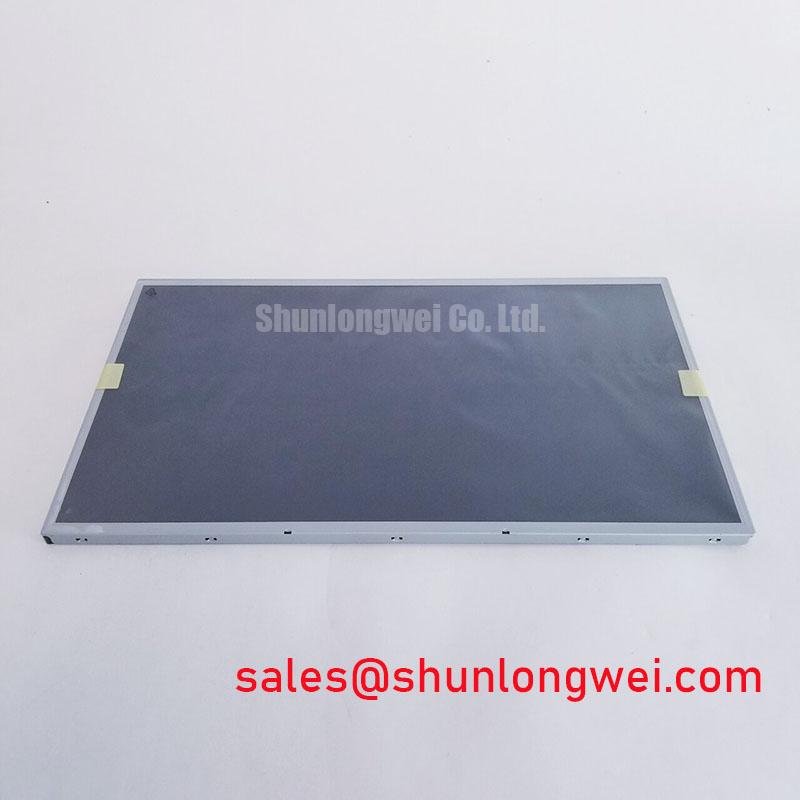
< ## LG LC215WUE-TBA1 21.5" FHD a-Si TFT-LCD Module The LG Display LC215WUE-TBA1 is a 21.5-inch color active matrix TFT-LCD module that delivers consistent, high-fidelity visuals through its S-IPS technology. This panel provides Full HD resolution, ensuring sharp, detailed images suitable for complex user interfaces and high-definition video content. Its standardized interface and robust optical performance make it a reliable component for various industrial and commercial display systems. The S-IPS technology specifically addresses the critical need for consistent color and brightness, even when viewed from significant off-axis positions. * **Core Specifications**: 1920x1080 FHD | 1000:1 Contrast Ratio | S-IPS Panel * **Key Advantages**: Exceptional off-axis color stability, simplified system integration via a standard LVDS interface. * **Targeted Integration**: Engineered for systems where multiple users must view the screen from different angles without image degradation.
Download Official Datasheet (PDF)

### Technical Analysis of S-IPS and System Integration
The defining feature of the LC215WUE-TBA1 is its Super In-Plane Switching (S-IPS) panel technology. Unlike standard TN panels that can exhibit significant color shifts when viewed from the side, the S-IPS structure maintains color and gamma integrity across its entire 89/89/89/89 degree viewing cone. This ensures that all viewers see the same accurate image, a critical requirement for collaborative environments like medical diagnostic stations or control room monitoring systems. The panel’s performance is further supported by a 72% NTSC color gamut, enabling it to reproduce a wide range of colors for more lifelike images.
System integration is streamlined through the use of a dual-channel, 8-bit LVDS interface. This widely adopted standard simplifies the selection of compatible controller boards and reduces development time. Engineers can reliably transmit high-bandwidth Full HD video data with reduced susceptibility to EMI, a common concern in complex industrial environments. The specified 30-pin connector is a common component, facilitating straightforward hardware connections. For effective thermal management, the module’s power consumption and heat dissipation characteristics must be considered in the final enclosure design to ensure long-term reliability.
### Optimized Application Scenarios
The technical specifications of the LC215WUE-TBA1 make it highly suitable for applications where visual clarity and wide viewing angles are paramount.
* **Industrial HMI Panels**: In factory settings, operators often view screens from various positions. The S-IPS panel ensures that critical process data is legible without forcing the user to be directly in front of the display.
* **Medical Imaging Stations**: The color accuracy and consistency provided by the 72% NTSC gamut and wide viewing angles are essential for diagnostic applications where subtle visual details can be critical.
* **Digital Signage & Kiosks**: For public information displays, the 1000:1 contrast ratio and Full HD resolution deliver engaging content that remains clear and vibrant from any viewing perspective.
* **Instrumentation and Test Equipment**: Detailed graphical data and waveforms are rendered with precision, allowing engineers and technicians to make accurate assessments from a shared display.
This module is an optimal match for systems requiring consistent image quality across wide viewing angles and full high-definition detail.
### Key Specification Parameters
| Feature | Specification |
|---|---|
| Panel Type | a-Si TFT-LCD, S-IPS, Normally Black, Transmissive |
| Screen Size | 21.5 inches |
| Resolution | 1920(RGB) x 1080 [FHD] |
| Brightness | 250 cd/m² (Typ.) |
| Contrast Ratio | 1000:1 (Typ.) |
| Viewing Angle | 89/89/89/89 (Typ.)(CR≥10) |
| Color Gamut | 72% NTSC (CIE1931) |
| Interface | LVDS (2 ch, 8-bit), 30-pin Connector |
| Supply Voltage | 5.0V (Typ.) |
| Surface Treatment | Anti-glare (Haze 25%), Hard coating (3H) |
| Operating Temperature | 0 ~ 50 °C |
### Engineer FAQ
**1. What makes the LC215WUE-TBA1’s viewing angle superior for collaborative workstations?**
Its S-IPS technology minimizes off-axis gamma and color shift. This means that multiple users viewing the same screen from different angles will perceive colors and brightness levels almost identically, which is a common failing of older TN-based panels. This consistency is a core requirement for medical and industrial applications where accurate data interpretation is shared.
**2. What are the main design considerations for the LVDS interface on this module?**
Engineers must ensure their driver board supports a dual-channel, 8-bit LVDS output. Signal integrity is critical, so the use of appropriate impedance-controlled cables and connectors is necessary. It is also important to adhere to the power sequencing requirements specified in the datasheet—applying the 5.0V panel logic voltage before enabling the backlight—to prevent potential damage to the display’s internal circuitry.
**3. What is the specified backlight system and its expected lifetime?**
The datasheet for the LC215WUE-TBA1 indicates a CCFL backlight system. While many modern displays use WLEDs, this CCFL implementation is rated for a typical lifetime of 50,000 hours before the brightness degrades to 50% of its initial value. This long operational life is a key factor for systems intended for continuous or long-term use.
**4. Can this module operate in environments with high ambient light?**
With a typical brightness of 250 cd/m², this module is designed primarily for indoor industrial or commercial environments. The anti-glare surface treatment helps to diffuse reflections, but direct sunlight or very bright overhead lighting may reduce viewability. For true sunlight-readable applications, a display with significantly higher brightness (typically >800 cd/m²) would be required.
### Enabling Clarity in System Design
The LG LC215WUE-TBA1 offers a robust and reliable display solution for systems where visual accuracy cannot be compromised. By leveraging S-IPS technology, it delivers on the fundamental requirement of providing a clear and consistent image to all users, regardless of their viewing position. This focus on foundational optical performance empowers engineers to build more effective and user-friendly visual interfaces for demanding applications.