LG LC215WUE-TCA1: A Technical Review for Industrial System Integration
## LG LC215WUE-TCA1 21.5-inch FHD a-Si TFT-LCD Module
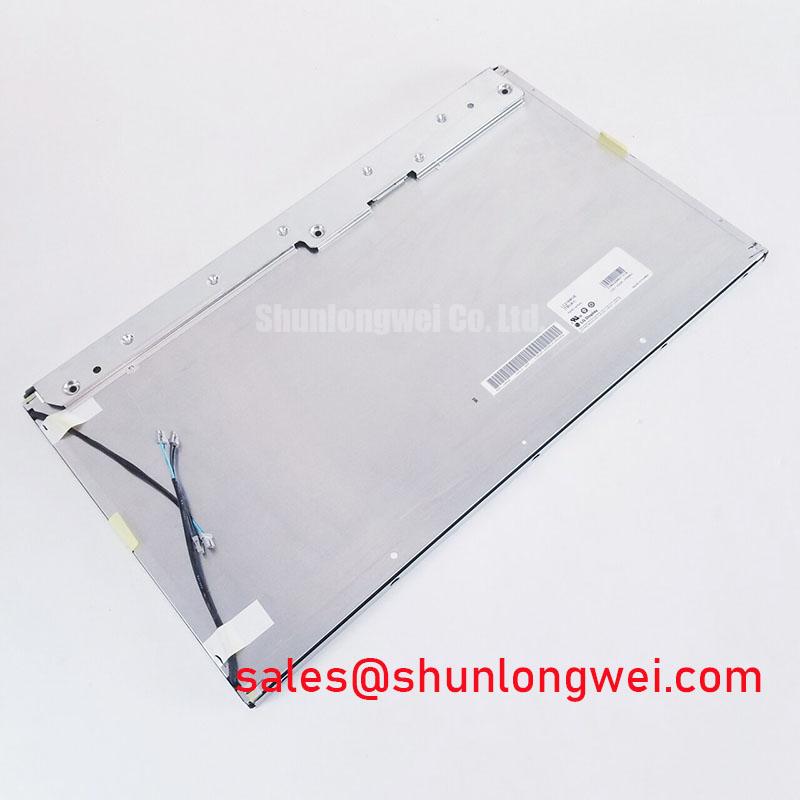
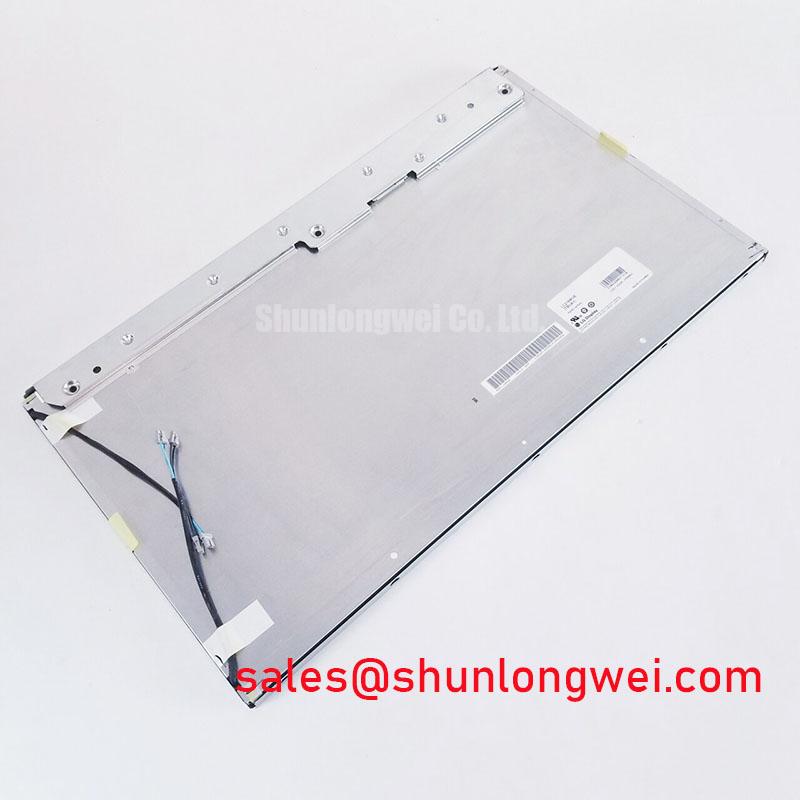
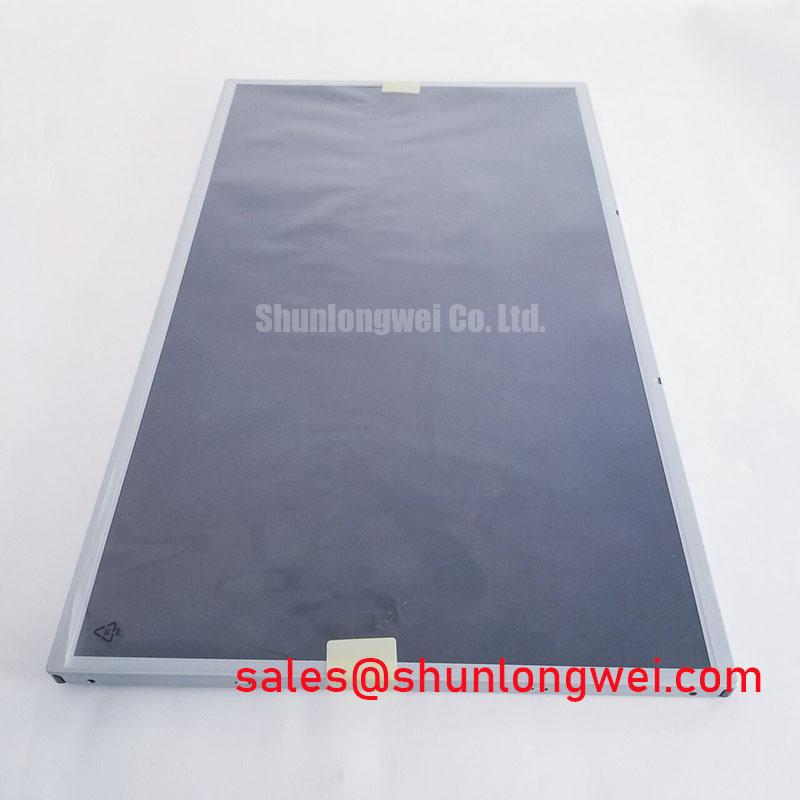
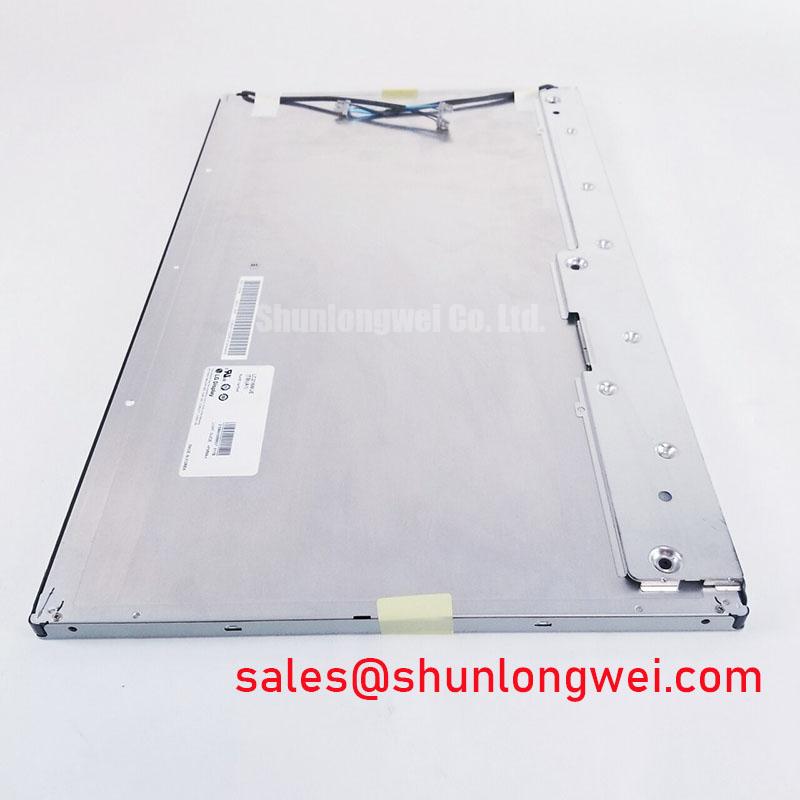
The LG Display LC215WUE-TCA1 is a 21.5-inch active matrix color TFT-LCD module that delivers Full HD resolution with consistent image quality. This panel’s primary value lies in its combination of a large, high-resolution screen with reliable performance metrics specified for various commercial and light industrial applications. It provides the detailed clarity required for complex visual information.
* **Core Specifications**: 1920×1080 FHD | 1000:1 Contrast Ratio | 72% NTSC Color Gamut.
* **Key Advantages**: Provides crisp, high-pixel-density images. Renders a wide range of colors accurately.
* **Engineering Note**: The standard LVDS interface simplifies integration with a wide array of existing controller boards and systems.
Access the LC215WUE-TCA1 Specification Summary
### Technical Analysis for System Integration
The LC215WUE-TCA1 provides a solid foundation for systems requiring detailed and vibrant visuals. The Full HD (1920×1080) resolution on a 21.5-inch screen results in a pixel density of approximately 102 PPI. This density is sufficient for rendering fine text and intricate graphics without significant pixelation, a key requirement for user interfaces in process control systems and medical information displays. A typical contrast ratio of 1000:1 ensures that blacks are deep and whites are bright, which is essential for image clarity and readability in varied ambient lighting conditions.
The panel’s color reproduction capability, specified at 72% of the NTSC gamut, allows for faithful representation of a broad spectrum of colors. Think of color gamut as the size of a crayon box; a 72% NTSC gamut is like having a comprehensive set of colors, enabling the display to show subtle shades and vibrant tones accurately. This is important in applications like medical imaging or digital signage, where color fidelity can be critical for correct interpretation of information. For more information on display manufacturing standards, see our article on the role of cleanrooms in industrial LCD manufacturing.
### Optimized Application Scenarios
The specifications of the LC215WUE-TCA1 make it a functional fit for several professional environments.
* **Industrial Human-Machine Interfaces (HMIs):** The Full HD resolution provides ample screen real estate to display complex process diagrams, data readouts, and control menus simultaneously.
* **Information Kiosks & Digital Signage:** The 1000:1 contrast ratio and 300 cd/m² brightness deliver clear, readable content in typical indoor commercial settings.
* **Medical Information Displays:** Its 72% NTSC color gamut is suitable for non-diagnostic viewing stations, such as patient monitoring or electronic health record (EHR) systems where accurate color is necessary.
* **Test and Measurement Equipment:** The high resolution ensures that detailed waveforms and precise numerical data can be displayed without ambiguity.
This panel is a strong candidate for systems needing a large, clear Full HD display with standard, reliable performance characteristics.
### Key Specifications of the LC215WUE-TCA1
| Feature | Specification |
|---|---|
| Panel Type | a-Si TFT-LCD, LCM |
| Resolution | 1920(RGB)×1080 (FHD) |
| Active Area | 476.64(W) × 268.11(H) mm |
| Brightness | 300 cd/m² (Typ.) |
| Contrast Ratio | 1000:1 (Typ.) |
| Viewing Angle (CR≥10) | 85/85/80/80 (Typ.) |
| Display Colors | 16.7M (8-bit) |
| Backlight | CCFL, 50,000 hour lifetime |
| Interface | LVDS (2 ch, 8-bit), 30-pin connector |
| Operating Temperature | 0 ~ 50 °C |
### Engineer FAQ
**1. What is the benefit of the specified 72% NTSC color gamut for an industrial HMI?**
A 72% NTSC color gamut allows the display to reproduce a wider range of colors than a standard 45% NTSC panel. This is important for HMIs that use color-coding to indicate system status (e.g., green for normal, red for alarm), ensuring that different shades are distinct and easily recognizable by operators.
**2. What are the main integration considerations for the CCFL backlight on this panel?**
The CCFL backlight requires an external inverter to provide the necessary high voltage for operation, which is not integrated into the panel. System designers must allocate space and power for this inverter. Additionally, the 50,000-hour rated lifespan of the CCFL tubes should be considered in the overall system maintenance and longevity planning, a topic further explored in our guide to proactive backlight lifespan management.
**3. How does the LVDS interface impact system design?**
The 2-channel, 8-bit LVDS interface is a widely adopted standard for transmitting video data to an LCD panel. Its primary advantage is noise immunity over short distances within a device chassis. Designers should follow best practices for LVDS signal routing on their PCBs to maintain signal integrity, which you can learn more about in our article on ensuring signal integrity for industrial displays.
**4. Can this panel operate in harsh environments?**
The specified operating temperature range is 0°C to 50°C, and the storage range is -20°C to 60°C. This makes the LC215WUE-TCA1 suitable for controlled indoor environments like control rooms or commercial spaces, but not for outdoor or extreme industrial applications without an appropriate protective enclosure and thermal management system.
### System Design Enablement
This LG Display module provides a straightforward path for integrating a large-format, high-definition display. Its combination of Full HD resolution, robust color performance, and a standard LVDS interface offers a reliable visual core for systems where data clarity and accurate image reproduction are paramount to the user experience.