LG LM170E03-TLG3 S-IPS Display: A Technical Review for Industrial Applications
LG Display LM170E03-TLG3 17.0″ SXGA S-IPS TFT-LCD Module
Introduction and Core Highlights
The LG Display LM170E03-TLG3 is a 17.0-inch TFT-LCD module delivering precise color fidelity and exceptionally wide viewing angles through its Super-IPS (S-IPS) technology. This panel is engineered for applications where visual consistency from various perspectives is a critical operational requirement. Its robust optical performance ensures clear, stable imagery, making it a reliable component for long-lifecycle industrial and commercial systems. How does S-IPS technology benefit multi-user environments? It maintains color and contrast integrity even at extreme angles, ensuring all viewers see the same accurate image.
- Core Specifications: 1280×1024 SXGA | 1000:1 Contrast Ratio | S-IPS Technology.
- Key Advantages: Delivers consistent color for off-axis viewing; provides sharp detail for complex graphical interfaces.
- Primary Application Focus: Industrial HMI, medical imaging, and specialized monitoring systems.
Access the Official Datasheet (PDF)
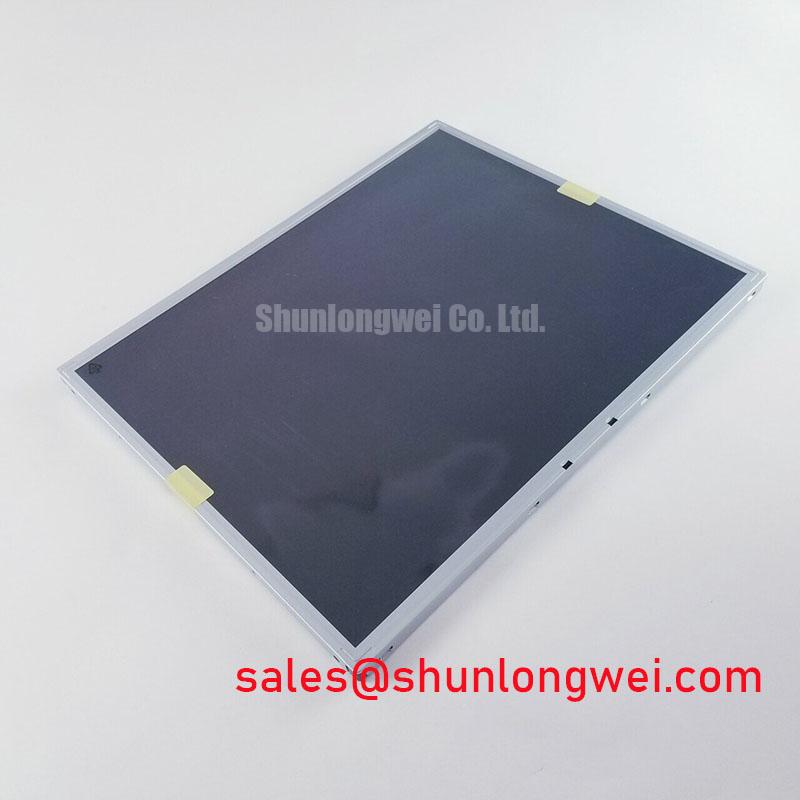
Technical Analysis: Performance Anchored by S-IPS Technology
The defining characteristic of the LM170E03-TLG3 is its Super In-Plane Switching (S-IPS) panel technology. Unlike standard TN panels that can exhibit significant color shifts when viewed from the side, S-IPS maintains chromaticity and luminance. The datasheet specifies typical viewing angles of 80° (left/right) and 75°/85° (up/down), ensuring that operators or collaborators see a consistent image, which is vital for machine vision and diagnostic applications. This stability is crucial for avoiding misinterpretation of data in control rooms or medical review stations.
A high contrast ratio is essential for display legibility, especially for rendering complex datasets or detailed schematics. The LM170E03-TLG3 features a typical contrast ratio of 1000:1. Think of contrast ratio as the display’s ability to distinguish between its brightest white and deepest black. A higher value, like 1000:1, provides a greater dynamic range, making text sharper and graphical elements more distinct. This, combined with a 300 cd/m² brightness level, allows the display to perform well in typical indoor industrial and commercial lighting conditions.
Optimized Application Scenarios
The technical attributes of this display align it with several specific use cases:
- Industrial Control Panels & HMIs: The wide viewing angles and anti-glare surface are ideal for factory floors where operators must monitor systems from various positions and under ambient lighting.
- Medical Diagnostic Stations: The S-IPS panel’s color accuracy and consistency are critical for reviewing medical imagery where subtle tonal variations can be significant.
- Scientific Instrumentation: The SXGA resolution on a 17.0-inch screen provides the clarity needed to display complex waveforms, charts, and data from analytical equipment.
- Legacy System Upgrades: Its 5:4 aspect ratio and standard 2-channel, 8-bit LVDS interface make it a viable replacement component for older systems, extending their operational lifespan.
Its feature set is best matched for applications requiring superior off-axis image fidelity over raw brightness or ultra-fast response times.
Key Specifications of the LM170E03-TLG3
| Optical & Mechanical Specifications | |
|---|---|
| Screen Size | 17.0 inches |
| Resolution | 1280(RGB) × 1024 [SXGA] |
| Active Area | 337.92(H) × 270.336(V) mm |
| Brightness | 300 cd/m² (Typ.) |
| Contrast Ratio | 1000:1 (Typ.) |
| Viewing Angle | 80/80/75/85 (Typ.)(CR≥10) |
| Display Colors | 16.7M (6-bit + Hi-FRC), 71% NTSC |
| Surface Treatment | Antiglare, Hard coating (3H) |
| Module Weight | 1.60 Kgs (Typ.) |
| Electrical & Environmental | |
| Signal Interface | LVDS (2 ch, 8-bit), 30 pins Connector |
| Logic Board Input Voltage | 5.0V (Typ.) |
| Backlight System | 4 pcs CCFL, 50K hours lifetime |
Engineer’s FAQ
1. What are the primary benefits of the S-IPS technology in the LM170E03-TLG3?
S-IPS (Super In-Plane Switching) technology provides two main advantages: superior color accuracy across the screen and highly consistent image quality at wide viewing angles. This means colors do not shift and contrast remains stable, even when the display is viewed from significantly off-center, a critical factor in collaborative or multi-viewer settings.
2. What are the power supply requirements for this display module?
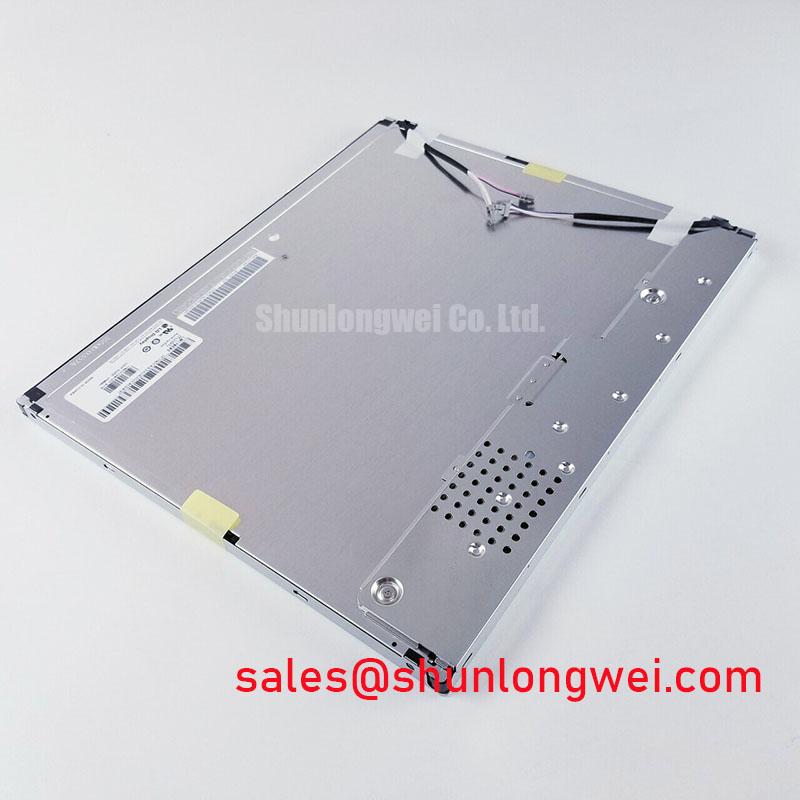
The logic board for the LM170E03-TLG3 requires a 5.0V (Typ.) power supply. The CCFL backlight system requires a separate external inverter, as it is not integrated into the module. Careful consideration of both the logic and backlight power is necessary for proper system integration.
3. How is the video signal connected to the LM170E03-TLG3?
The display uses a standard LVDS (Low Voltage Differential Signaling) interface. Specifically, it is a 2-channel, 8-bit configuration that connects via a 30-pin connector. This is a common interface for industrial displays, simplifying integration with many single-board computers and display controllers.
4. Is this module suitable for outdoor or high-sunlight environments?
With a typical brightness of 300 cd/m², this display is intended for indoor applications. It is not designed for direct sunlight readability. For outdoor use or environments with very high ambient light, a display with significantly higher brightness (typically >1000 cd/m²) would be necessary. For more information, consult resources on thermal management for industrial displays.
System Integration and Performance
The LG Display LM170E03-TLG3 provides a stable and reliable foundation for systems where accurate visual data is paramount. Its use of S-IPS technology directly addresses the challenge of off-axis viewing, while its standard SXGA resolution and LVDS interface ensure broad compatibility. This module empowers engineers to build HMI and monitoring systems that deliver clarity and consistency, supporting effective decision-making based on the data presented.