LM170E03-TLG2: A Technical Review for Industrial Display Integration
LM170E03-TLG2: 17.0-inch SXGA Industrial TFT-LCD Module
Introduction and Core Highlights
The LG Display LM170E03-TLG2 is a 17.0-inch a-Si TFT-LCD module engineered for longevity and consistent performance in industrial applications. Its defining value lies in providing a native SXGA resolution in a classic 5:4 aspect ratio, ensuring direct compatibility with legacy systems where user interface integrity is paramount. This module delivers reliable visual output for demanding operational environments.
- Core Specifications: 17.0″ Diagonal | 1280×1024 SXGA | 300 cd/m² Brightness
- Key Advantages: Ensures seamless hardware and software compatibility for legacy 5:4 systems. Utilizes a standard LVDS interface for straightforward system integration.
- Application Focus: A dependable display solution for maintaining or upgrading industrial control panels and medical diagnostic equipment without requiring software redevelopment.
Download The Official LM170E03-TLG2 Datasheet (PDF)

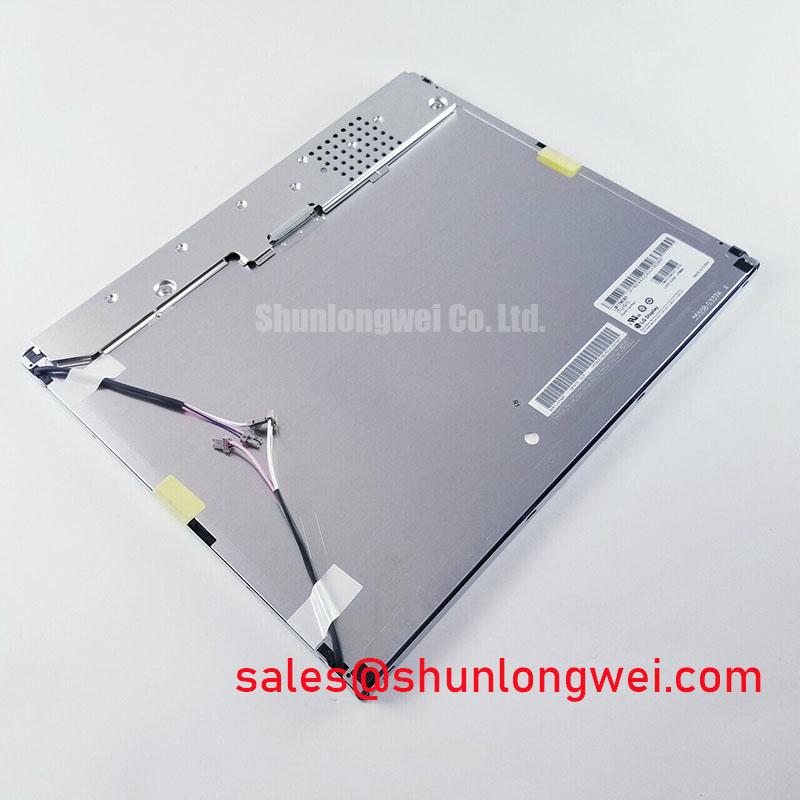

Technical Analysis for System Integration
The primary engineering value of the LM170E03-TLG2 is its native 1280×1024 SXGA resolution. This 5:4 aspect ratio is critical for drop-in replacement in a vast number of existing industrial HMIs, CNC controllers, and medical imaging systems. Using a native SXGA panel avoids the image distortion, scaling artifacts, and software adjustments often required when retrofitting modern wide-aspect-ratio screens into older equipment. This ensures that complex graphical user interfaces and diagnostic imagery are displayed exactly as intended by the original system designers.
Integration is facilitated by a standard 2-channel, 8-bit LVDS interface. Think of this interface as a dedicated, multi-lane highway for pixel data. It provides a high-speed, low-noise electrical connection between the display and the system’s graphics controller, which is essential for maintaining signal integrity over the connection cable. This standardized interface simplifies the engineering process, allowing for direct connection to a wide range of industrial single-board computers and display controllers without the need for complex intermediary hardware. Explore more about how modern display interfaces are evolving in our guide to industrial display interface technology.
The display’s optical performance is characterized by a typical brightness of 300 nits and a contrast ratio of 800:1, suitable for typical indoor industrial environments. Its surface features an anti-glare treatment with a 3H hard coating, which reduces reflections from overhead lighting and provides a degree of protection against incidental contact in busy operational settings. For a deeper understanding of how these surface treatments impact usability, see the discussion on engineering displays for rugged environments.
Optimized Application Scenarios
The LM170E03-TLG2 is an optimal component for the following use cases:
- Industrial HMI Panels: Its 5:4 aspect ratio directly matches the layout of legacy HMI software, preventing costly UI redesigns.
- Medical Diagnostic Stations: The SXGA resolution provides the clarity needed for detailed analysis on modalities designed around this specific display format.
- ATM & Kiosks: A reliable replacement for older kiosks, ensuring continued operation with existing software and enclosures.
- Test & Measurement Equipment: The clear, distortion-free display is crucial for accurately reading data and waveforms on specialized test benches.
This module is best matched for sustaining and upgrading existing systems that require a 17.0-inch, 5:4 aspect ratio display with a standard LVDS connection.
Key Specifications of the LM170E03-TLG2
| Feature | Specification |
|---|---|
| Screen Diagonal | 17.0 inches |
| Resolution | 1280(RGB) x 1024 (SXGA) |
| Pixel Arrangement | RGB Vertical Stripe |
| Aspect Ratio | 5:4 (H:V) |
| Technology | a-Si TFT-LCD, TN, Normally White |
| Brightness | 300 cd/m² (Typ.) |
| Contrast Ratio | 800:1 (Typ.) |
| Viewing Angle | 80/80/75/85 (Typ.)(CR≥10) |
| Signal Interface | LVDS (2 ch, 8-bit), 30 pins |
| Backlight | 4 pcs CCFL, 50K hours (Typ.) |
| Operating Temperature | 0 ~ 50 °C |
| Outline Dimensions | 358.5(H) x 296.5(V) x 16.0(D) mm (Typ.) |
Engineer’s FAQ
1. Is the LM170E03-TLG2 a direct replacement for other 17-inch 5:4 industrial monitors?
Yes, its SXGA resolution, 5:4 aspect ratio, and standard LVDS interface make it a strong candidate for replacing similar displays. However, engineers must verify mechanical mounting points, overall depth (16.0mm), and the specific 30-pin LVDS connector pinout against the existing system’s requirements before finalizing integration.
2. What type of backlight inverter is required for this module?
The LM170E03-TLG2 uses a 4-lamp CCFL backlight system and does not include a built-in driver. An external inverter board is required to provide the high voltage necessary to power the lamps. The datasheet specifies the electrical characteristics needed for the inverter, such as lamp voltage and current, which must be matched for proper operation and backlight lifespan.
3. How does the TN panel technology impact its use in industrial settings?
The Twisted Nematic (TN) panel provides very fast response times (Typ. 1.2/3.8 ms Tr/Td), which is beneficial for displaying moving content or rapidly updating machine data without motion blur. While its viewing angles are more limited compared to IPS technology, they are well within the typical range for a fixed-position operator in HMI or control room applications.
4. What is the typical power consumption of this display?
The panel itself consumes approximately 3.95W for the logic board, with total consumption including the backlight system being around 21.85W under typical operating conditions. System designers must account for this in the power budget, especially the separate supply for the CCFL inverter.
Design and Reliability
The LM170E03-TLG2 provides a technically sound and reliable solution for maintaining the operational life of critical industrial and medical systems. Its adherence to the established SXGA format and LVDS interface standard removes significant integration friction, allowing engineers to focus on system-level performance rather than display compatibility challenges. This makes it a valuable component for long-term product lifecycle management.