LMS700KF01-002: A Versatile 7.0″ Display for Industrial HMI Systems
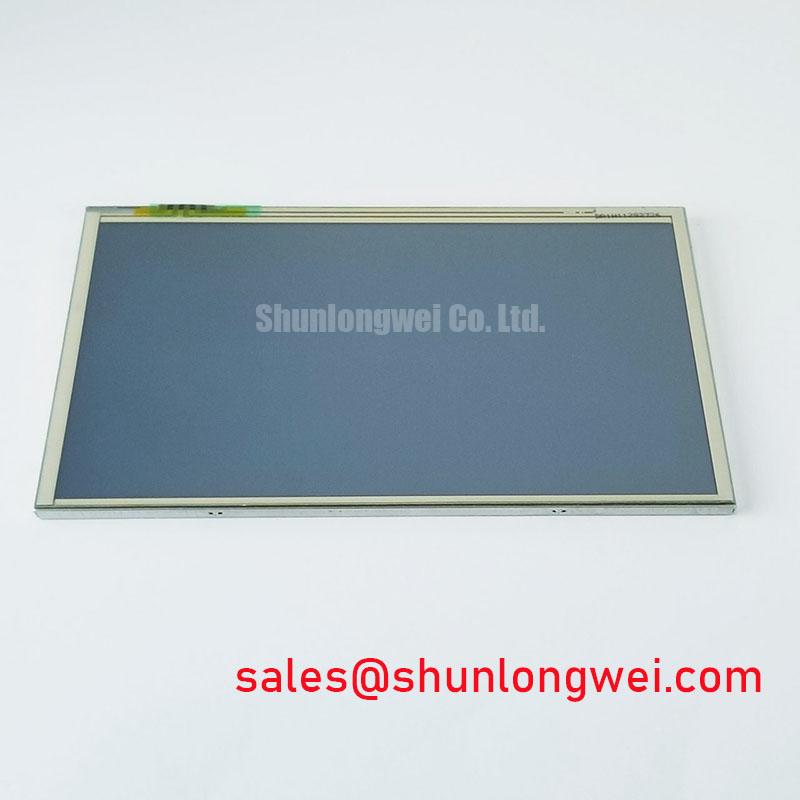
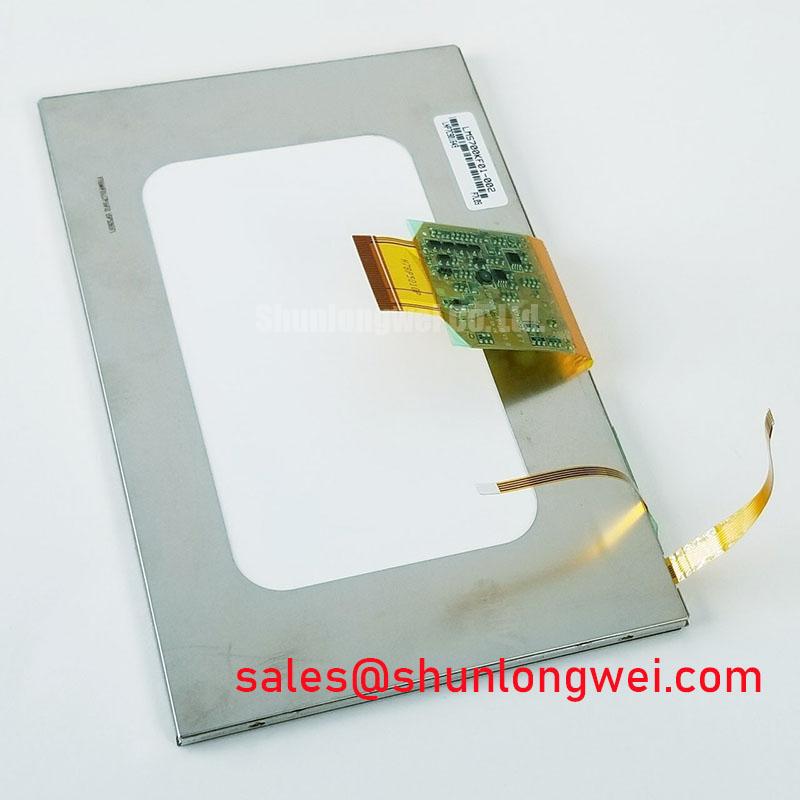
LMS700KF01-002: 7.0″ 800×480 WVGA TFT-LCD Module
Versatile Integration for Industrial HMI Systems
The Samsung LMS700KF01-002 is a 7.0-inch a-Si TFT-LCD module engineered for performance and reliability in embedded systems. This display’s unique value is its dual-interface capability, combining a Parallel RGB interface for video data with a separate SPI bus for configuration, offering exceptional design flexibility for engineers. This architecture simplifies connections to a wide range of microcontrollers and processors.
- Core Specifications: 7.0-inch Diagonal | 800×480 WVGA Resolution | 450 cd/m² Brightness | -20 to 70°C Operating Temperature
- Key Advantages: Flexible dual-interface (RGB + SPI) design simplifies control logic. Wide operating temperature range ensures dependable performance.
- Engineering Focus: The SPI interface allows for streamlined initialization and control, reducing the I/O pin burden on the host processor.
Download Preliminary Datasheet (PDF)
Technical Analysis for System Integration
The standout feature of the LMS700KF01-002 is its efficient interface design. The 8-bit parallel RGB interface acts as a high-speed data highway, dedicated to carrying the video stream to produce a fluid, responsive image. Simultaneously, the Serial Peripheral Interface (SPI) provides a low-pin-count command channel. This separation allows engineers to offload display initialization and control functions to a simple SPI bus, preserving more capable GPIOs on their host processor for other critical tasks. This architecture streamlines both hardware layout and firmware development.
Operational resilience is confirmed by the module’s wide temperature range of -20°C to 70°C. This tolerance is critical for devices deployed in environments without climate control, such as factory floors, outdoor kiosks, or in-vehicle systems. You can conceptualize this temperature range like the operational envelope of an industrial robot; it’s designed to function consistently and predictably, whether in the chill of a refrigerated warehouse or the elevated heat of a production line. This robustness is supported by a well-engineered WLED backlight system that provides stable brightness and thermal performance across the specified temperature spectrum.
Optimized Application Scenarios
The specifications of the LMS700KF01-002 make it highly suitable for a variety of demanding applications:
- Industrial HMI Panels: The 800×480 resolution provides excellent clarity for GUIs, while the wide temperature range ensures reliability in factory settings.
- Medical Monitoring Devices: Offers a clear, stable platform for displaying patient vitals and graphical data where operational consistency is paramount.
- Portable Test Equipment: The 7-inch form factor and efficient interface are ideal for battery-powered diagnostic tools used by field technicians.
- Building Automation & Control: A reliable display for wall-mounted control panels managing HVAC, security, and lighting systems.
This module provides a durable, mid-sized display with straightforward hardware integration, making it a strong choice for systems requiring proven performance.
Key Specifications of the LMS700KF01-002
| Parameter Category | Specification | |
|---|---|---|
| Display Characteristics | Diagonal Size | 7.0 inches |
| Resolution | 800(RGB) × 480 pixels (WVGA) | |
| Brightness | 450 cd/m² (Typical) | |
| Viewing Angle (L/R/U/D) | 70/70/50/60 (Typical, CR≥10) | |
| Display Mode | TN, Normally White, Transmissive | |
| Interface & Power | Video Interface | Parallel RGB (1 ch, 8-bit) |
| Control Interface | SPI (Serial Peripheral Interface) | |
| Environmental Ratings | Operating Temperature | -20°C to 70°C |
| Storage Temperature | -30°C to 80°C | |
| Mechanical | Outline Dimensions (W×H×D) | 165.0 x 104.0 x 5.8 mm (Typical) |
| Active Area (W×H) | 152.4 x 91.44 mm | |
Engineer’s FAQ for the LMS700KF01-002
1. What is the primary benefit of the SPI interface on this display?
The SPI interface allows for display initialization and command control using a simple, low-pin-count serial bus. This frees up the more extensive parallel I/O lines on a host microcontroller for other functions, simplifying PCB layout and potentially enabling the use of a less complex processor.
2. How should the WLED backlight be managed in an enclosed, fanless design?
While the WLED backlight is efficient, proper thermal management is key for longevity. Ensure a thermally conductive path from the rear of the module to the system chassis. Adequate ventilation or a metal mounting frame acting as a heat sink is recommended to keep the module’s surface temperature within its specified operating range, especially at high ambient temperatures.
3. Is the LMS700KF01-002 suitable for outdoor, direct sunlight applications?
With a typical brightness of 450 cd/m², this display is best suited for indoor or shaded outdoor environments. For direct sunlight readability, a display with a brightness of 1000 cd/m² or higher, often combined with optical bonding to reduce reflections, would be a more appropriate choice. You can explore a variety of industrial LCD technologies for different environmental needs.
4. What are the required power supply voltages?
The module typically requires separate analog and digital power supply lines. Based on similar displays, this often includes a main logic voltage (e.g., 3.3V) and several specific voltages for the gate driver and source driver ICs. Always refer to the official datasheet for the precise voltage rails, tolerances, and power-up sequencing requirements.
Enabling Robust System Design
The LMS700KF01-002 provides a well-balanced combination of resolution, brightness, and thermal resilience. Its dual-interface architecture is a key enabler for efficient and flexible system design, making it a reliable display foundation for a broad scope of industrial and commercial equipment. For systems that demand proven performance and straightforward integration, this module presents a compelling engineering choice.