LTA057A349F: A Comprehensive Analysis of the 5.7-inch Transflective Industrial TFT-LCD Module
LTA057A349F Industrial 5.7-inch QVGA TFT-LCD Module Analysis
M2: High-Performance Visualization for Industrial HMIs
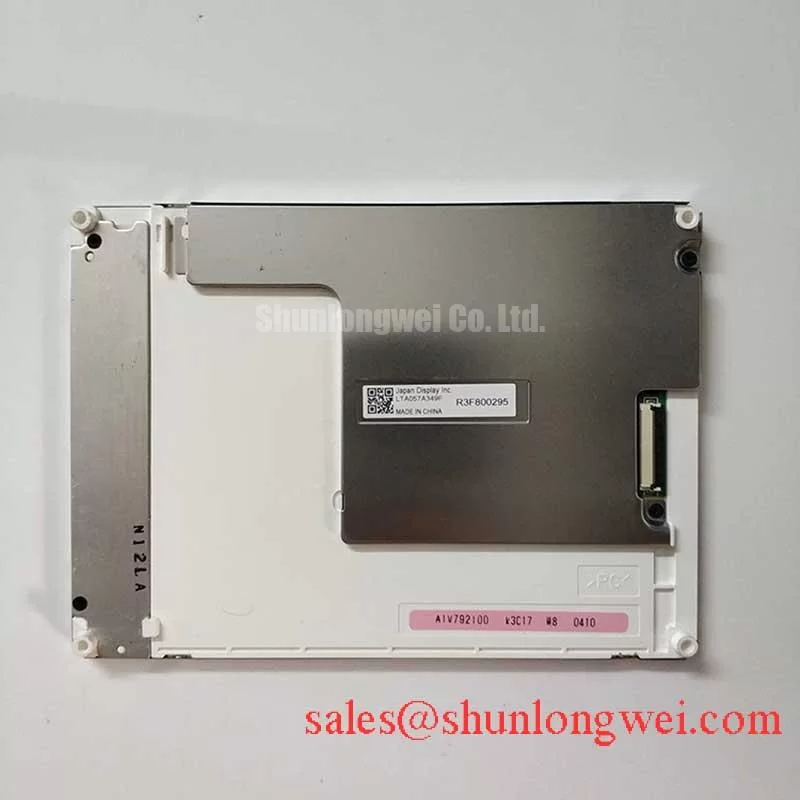
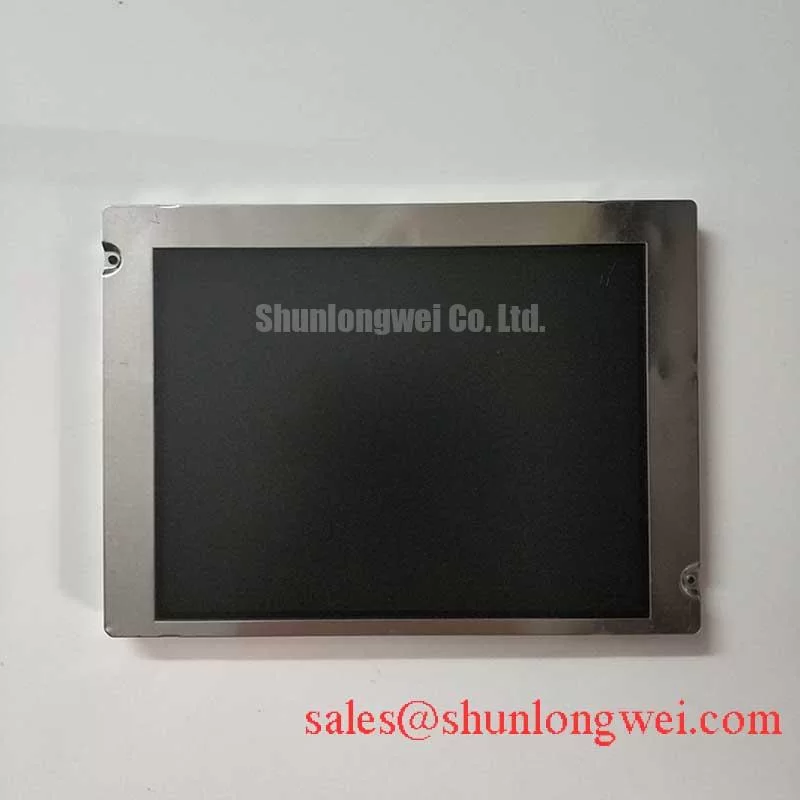
The LTA057A349F is a specialized 5.7-inch color TFT-LCD module originally developed by Toshiba Matsushita Display Technology. It is engineered for industrial environments where optical clarity and mechanical stability are non-negotiable. Utilizing a transflective display architecture, this module offers a unique balance of high ambient light readability and power efficiency. By leveraging both transmitted light from the backlight and reflected light from the environment, the LTA057A349F ensures consistent visibility across varying illumination conditions.
- Core Specifications: 5.7″ Diagonal | 320 x 240 QVGA Resolution | Transflective Mode.
- Key Advantages: Superior sunlight readability without high power consumption; Mechanical form factor compatible with a wide array of legacy industrial LCD core technology systems.
Engineers often inquire if the LTA057A349F can maintain clarity under direct sunlight. Due to its transflective nature, the display actually improves its contrast as ambient light levels increase, answering the critical need for outdoor visibility in ruggedized terminals.
Download Official Data Sheet (PDF)
M3: Technical Analysis of Transflective Optical Architecture
The defining technical characteristic of the LTA057A349F is its transflective internal structure. While standard transmissive displays rely entirely on a backlight, this module incorporates a partial reflector behind the liquid crystal layer. You can visualize the transflective layer as a two-way mirror; it allows the backlight to pass through from behind while simultaneously bouncing external light back toward the observer. This prevents the “washout” effect typical of consumer screens when used outdoors.
From an engineering perspective, this optical design significantly impacts thermal management. Because the module does not require an ultra-bright, high-heat backlight to achieve sunlight readability, the internal junction temperatures remain lower. This reduces the risk of long-term polarizer degradation and color shift, which are common failure points in sealed industrial enclosures where airflow is limited.

Furthermore, the LTA057A349F employs a CMOS parallel interface. This legacy-friendly communication protocol simplifies integration with older microcontrollers and FPGA-based timing controllers (TCONs). The module’s mechanical robustness is further reinforced by its anti-glare surface treatment, which mitigates specular reflections, ensuring that the 262,144 color palette remains accurate even in high-vibration settings where the viewing angle may shift dynamically.
M4: Optimized Application Scenarios
The LTA057A349F is frequently integrated into sectors requiring reliable, long-lifecycle display components. Its specific attributes make it suitable for:
- Marine Navigation Systems: The transflective properties provide vital information to operators in open-sea environments where solar glare is constant.
- Handheld Industrial Terminals: Compact 5.7″ sizing and low power consumption extend battery life in portable data loggers and diagnostic tools.
- Medical Patient Monitors: High contrast and color accuracy are essential for displaying waveforms and vital statistics in clinical settings.
- CNC Machining Interfaces: Resilience to shock and vibration ensures the display remains functional in heavy-duty manufacturing environments.
The LTA057A349F is the technical standard for systems requiring 320×240 resolution with high durability and low-power sunlight readability in industrial deployments.
M5: LTA057A349F Key Technical Specifications
| Parameter Category | Specifications | Unit / Detail |
|---|---|---|
| Screen Size | 5.7 (Diagonal) | Inches |
| Pixel Format | 320 x 240 | QVGA, RGB Stripe |
| Active Area | 115.2 x 86.4 | mm |
| Luminance (Typical) | 220 – 400 (Backlight dependent) | cd/m² |
| Contrast Ratio | 350:1 (Typical) | Transmissive Mode |
| Interface Type | Parallel CMOS (1 ch, 6-bit) | 33 Pins |
| Power Supply | 3.3 (Typical) | V (Logic) |
| Operating Temperature | -10 to +70 | °C |
M6: Engineer’s Frequently Asked Questions
1. How does the LTA057A349F handle shock and vibration in heavy machinery?
This module is designed with a reinforced metal frame and robust mounting points. For high-stress applications, engineers should refer to our guide on vibration resistance to ensure the external enclosure complements the module’s native ratings.
2. Can this display be integrated with modern LVDS-based systems?
The LTA057A349F natively uses a CMOS parallel interface. To connect this to modern LVDS hardware, a CMOS-to-LVDS bridge IC or a dedicated TCON board is required to translate the signaling levels and timing.
3. Are there software strategies to prevent image sticking on this model?
Yes, although the module features industrial liquid crystals, prolonged static images can cause temporary ghosting. Implementing periodic screen refreshing or “pixel shifting” algorithms can significantly mitigate this. For more details, see our technical article on preventing image sticking.
4. Is the LTA057A349F compatible with resistive touch overlays?
While the basic module does not include a touch sensor, its flat bezel design and standard 5.7″ aspect ratio make it an ideal substrate for aftermarket 4-wire or 5-wire resistive touch panels commonly used in HMI controls.
M7: Technical Summary
The LTA057A349F remains a critical component for maintaining and upgrading high-reliability industrial infrastructure. Its transflective optical path represents a mature, field-proven solution for environments that demand legibility under extreme solar intensity without sacrificing thermal performance. By adhering to the TMD mechanical standards, this module empowers engineers to sustain legacy systems while ensuring contemporary visualization standards are met in the most challenging operational contexts.