LTM07C383: A High-Brightness Display for Legacy System Integration
LTM07C383: 7.0-Inch High-Brightness Color TFT-LCD
Introduction to the Toshiba LTM07C383 Display Module
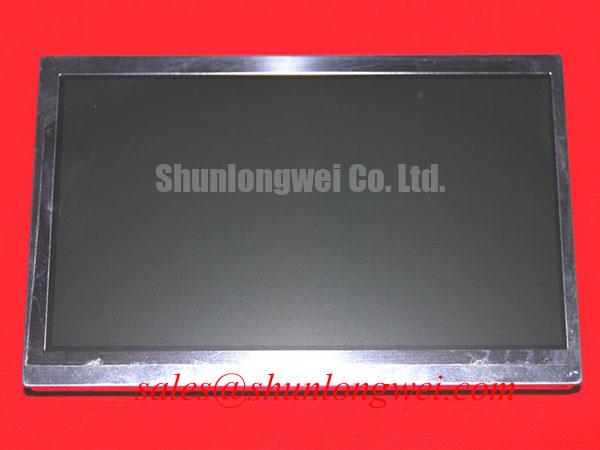
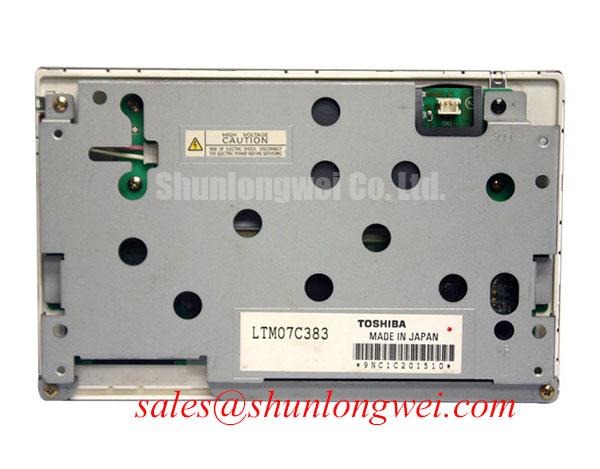
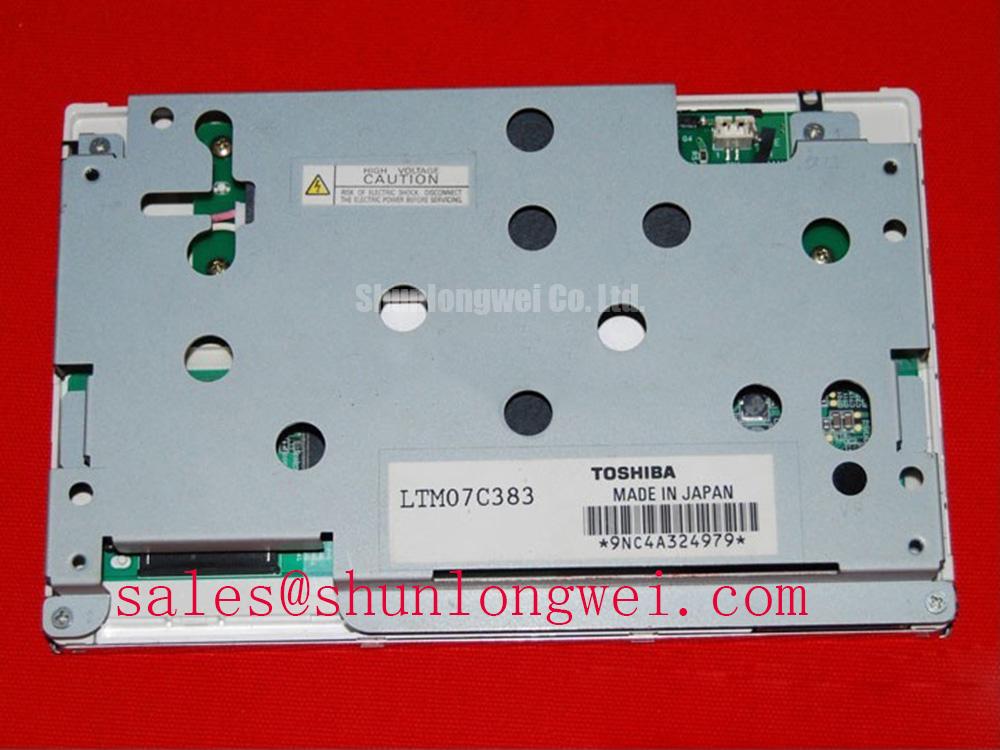
The Toshiba LTM07C383 is a 7.0-inch amorphous silicon TFT-LCD module engineered to deliver exceptional screen luminance for legacy automotive and audiovisual systems. Its high-brightness backlight and standard parallel interface make it a prime candidate for repairing or maintaining existing equipment, ensuring clear visibility where ambient light is a challenge. Engineers can directly drive this panel using a 6-bit parallel RGB signal, simplifying the process of replacing older, dimmer screens without a complete system redesign. This focus on compatibility and visual performance makes it a key component for extending the life of established HMI systems.
- Core Specifications: 7.0″ Diagonal | 480×234 Resolution | 500 cd/m² Brightness
- Key Advantages: Delivers clear visibility in high ambient light, ensures compatibility with parallel RGB video sources.
Technical Analysis for System Integration
The standout feature of the LTM07C383 is its 500-nit luminance. This level of brightness was substantial for its era and remains effective for applications in variable lighting conditions, such as an automotive cabin or portable instrumentation. Think of a display’s brightness as the power of a flashlight beam. The LTM07C383’s 500-nit output can cut through ambient glare, ensuring the displayed information remains legible, much like a powerful flashlight pierces through the darkness. This capability is critical for operator-focused interfaces where data must be read quickly and accurately.
Critically, this module utilizes a 6-bit parallel RGB interface. This is a key consideration for engineers focused on sustaining legacy systems. Unlike modern LVDS or eDP interfaces that require serialization and deserialization, a parallel interface allows for a direct connection to older graphics controllers. This simplifies the repair and refurbishment process, avoiding the need for signal conversion hardware and additional validation, which is a core challenge in cross-brand LCD migration.
Optimized Application Scenarios
The LTM07C383’s specifications make it a strong fit for specific use cases:
- Automotive Navigation and Infotainment Systems: Its high brightness ensures the screen is readable during daytime driving, and the 16:9 aspect ratio is suitable for map and media displays.
- Portable Media Players: The bright CCFL backlight and standard video interface made it a reliable choice for portable devices where battery efficiency was balanced with screen visibility.
- Industrial HMI Panels: An effective replacement screen for machine controllers and process monitoring equipment originally designed with a parallel RGB video output.
- Test and Measurement Equipment: The 480×234 resolution provides adequate detail for displaying basic waveforms and measurement data in a compact form factor.
Its balance of 500-nit brightness and a native parallel RGB interface makes it an optimal service part for specific generations of automotive and AV equipment.
Key Specifications of the LTM07C383
| Panel & Optical Characteristics | |
|---|---|
| Manufacturer | Toshiba |
| Diagonal Size | 7.0 inches |
| Resolution | 480×234 (WQVGA) |
| Luminance (Brightness) | 500 cd/m² (Typ.) |
| Contrast Ratio | 250:1 (Typ.) |
| Display Technology | a-Si TFT-LCD, Normally White, Transmissive |
| Backlight System | 1 pcs CCFL |
| Interface & Electrical | |
| Signal Interface | Parallel RGB (1 ch, 6-bit) |
| Logic Supply Voltage (VCC) | 3.3V (Typ.) |
| Mechanical & Environmental | |
| Module Dimensions (W×H×D) | 188 × 120 × 25 mm |
| Weight | 440g (Typ.) |
| Operating Temperature | 0°C to 50°C |
| Storage Temperature | -20°C to 60°C |
Engineer FAQ for the LTM07C383
What are the pin assignments for the LTM07C383’s parallel RGB connector?
The LTM07C383 uses a 30-pin connector for its 6-bit parallel RGB signal, clock, and sync lines. The exact pinout map is defined in the official manufacturer’s datasheet. It is critical to obtain this document to ensure correct wiring for data lines (e.g., R0-R5, G0-G5, B0-B5), sync signals (HSYNC, VSYNC), data clock (CLK), and power lines to prevent damage.
My original display is failing. What are the key points to verify when using the LTM07C383 as a replacement?
When using this module for a repair, verify three critical parameters. First, confirm the physical dimensions (188 x 120 x 25 mm) and mounting points match your equipment. Second, ensure your system outputs a 6-bit parallel RGB signal. Finally, and most importantly, confirm your system has a compatible high-voltage inverter to power the CCFL backlight, as this is a separate requirement from the panel’s logic voltage. Efficient thermal management for the backlight is also essential.
Is this display suitable for a new design project?
The LTM07C383 is best suited for sustaining and repairing existing systems that require its specific interface and form factor. For new designs, engineers should consider modern panels that feature LED backlights for higher efficiency and longer lifecycles, and more common interfaces like LVDS or MIPI. This approach aligns better with current component availability and future-proofs the design.
Enabling System Longevity
The LTM07C383 offers a specific and valuable solution for system maintenance. It provides the high brightness and direct interface compatibility necessary to extend the life of established automotive and AV equipment. For engineers tasked with the support and repair of these systems, this display delivers the specified visual performance required to keep them operational and effective.