LTM12C285: A Technical Analysis for Reliable Industrial Integration
LTM12C285: 12.1″ SVGA Color TFT-LCD Module Analysis
Introduction to the LTM12C285 for Industrial Systems
The Toshiba LTM12C285 is a 12.1-inch SVGA color TFT-LCD module engineered for longevity in industrial equipment. Its defining characteristic is a robust design that balances proven technology with the durability required for long-term operational stability. The module integrates a long-life backlight system and a standard digital interface, providing a dependable display solution for human-machine interfaces (HMIs) and monitoring systems.
- Core Specifications: 12.1″ Diagonal | 800 x 600 SVGA | 50,000-Hour Backlight Life (Typ.)
- Key Advantages: Facilitates extended operational uptime, simplifies integration for legacy system repairs.
This panel is an established choice for applications where consistent performance and product stability are primary design considerations. For complete specifications, it is recommended to reference the official manufacturer datasheet.
Download the Official LTM12C285 Datasheet (PDF)
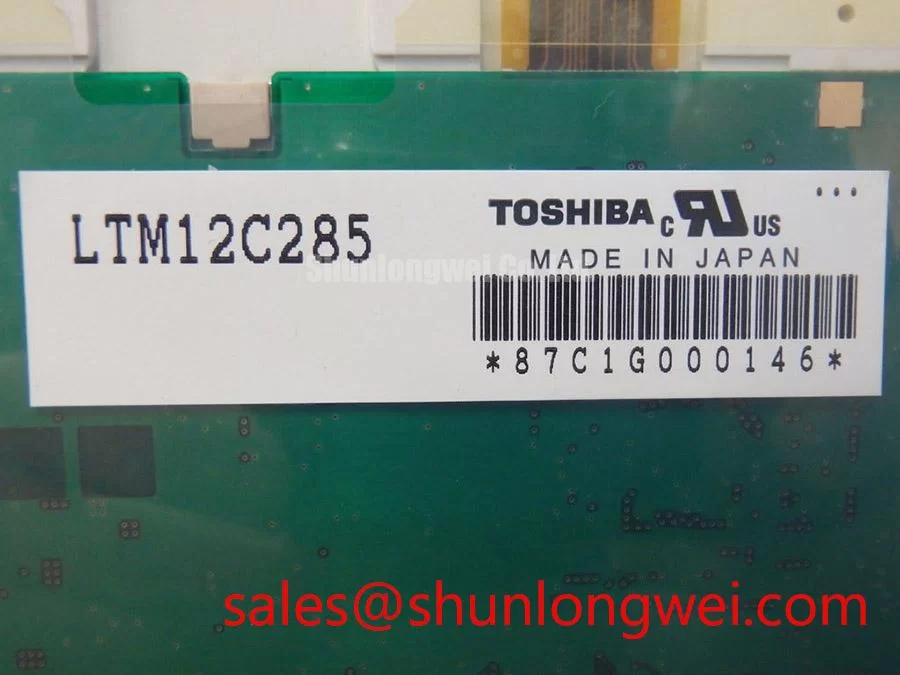

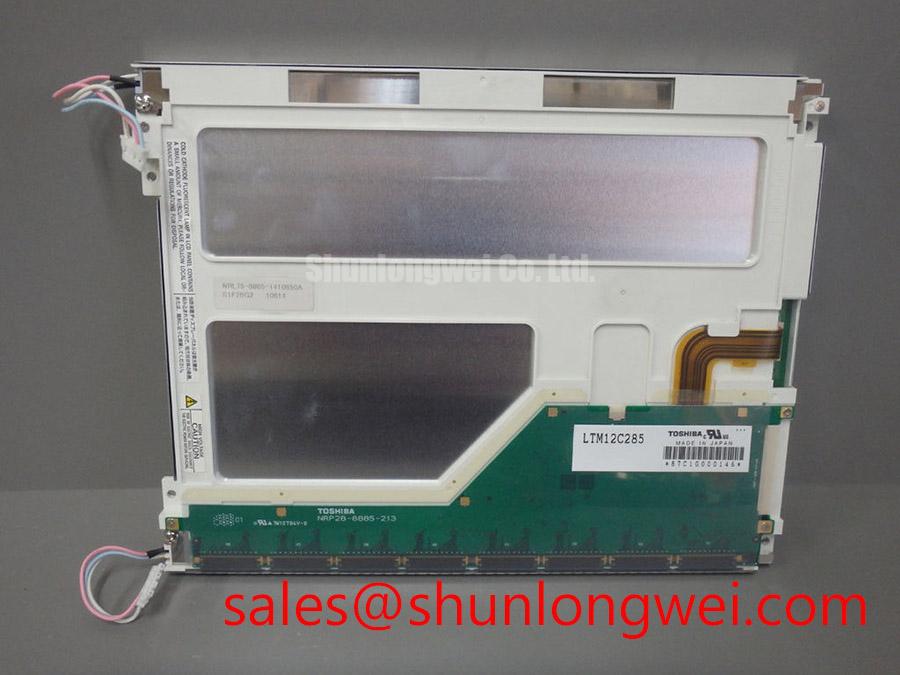
Technical Analysis for Engineering Integration
The LTM12C285 is built upon a foundation of reliable and well-understood technologies. Its amorphous silicon (a-Si) TFT active matrix provides an 800 x 600 pixel array, a standard resolution that ensures compatibility with a vast range of industrial controllers and single-board computers. The panel’s typical luminance of 250 cd/m² and a 300:1 contrast ratio deliver clear and discernible imagery for typical indoor industrial environments. While not intended for direct sunlight applications, this level of brightness is more than adequate for control rooms, factory floors, and integrated machinery.
A significant engineering asset of the LTM12C285 is its specified backlight lifespan. The datasheet documents a mean time to failure (MTTF) of 50,000 hours for its four CCFLs. This metric is critical for calculating total cost of ownership and planning maintenance schedules in systems that operate continuously. Think of this long lifespan as the service interval for a critical engine part; a longer interval means less downtime and lower maintenance costs over the equipment’s lifecycle. For engineers designing systems for high-availability environments, this proactive management of backlight lifespan is a key enabler of system reliability.
The module’s standard 6-bit Low-Voltage Differential Signaling (LVDS) interface simplifies both new designs and repair scenarios. LVDS is known for its high noise immunity, a crucial benefit in electrically noisy industrial settings where motors and high-power equipment are present. This interface carries the video signal over a twisted pair of wires, reducing susceptibility to EMI and ensuring signal integrity over moderate distances between the controller and the display. This inherent robustness reduces the need for complex shielding and layout considerations, streamlining the electronic design process.
Optimized Application Scenarios
The specifications of the LTM12C285 make it a strong candidate for several established industrial use cases:
- Human-Machine Interface (HMI) Panels: The 12.1″ size and SVGA resolution are ideal for displaying process control diagrams, operational data, and soft-key buttons. The 50,000-hour backlight life ensures longevity in 24/7 factory operations.
- Legacy System Sustainment: Many industrial machines from the early 2000s were designed around 12.1″ SVGA displays. The LTM12C285 serves as a form-fit-function replacement, extending the life of valuable capital equipment.
- Test and Measurement Equipment: The standard LVDS interface allows for straightforward integration into custom test benches and diagnostic instruments where a reliable, no-frills data display is required.
- Point-of-Sale (POS) Terminals: The display’s dimensions and adequate viewing angles are suitable for fixed POS systems where reliability and long service life are more critical than high-definition video performance.
Its proven CCFL backlight and standard interface make it an excellent match for systems prioritizing reliability and ease of integration over cutting-edge display features.
Key Specifications of the LTM12C285
| Display & Optical Characteristics (Ta=25°C) | |
|---|---|
| Screen Diagonal Size | 12.1 inches |
| Resolution | 800(H) x 600(V) SVGA |
| Active Area | 246.0 x 184.5 mm |
| Luminance | 250 cd/m² (typ.) |
| Contrast Ratio | 300:1 (typ.) |
| Viewing Angle (CR≥10) | Horizontal: 120°, Vertical: 90° (typ.) |
| Backlight System | 1 x CCFL, Sidelight type, 50,000 hours (typ.) |
| Electrical & Environmental | |
| Logic Supply Voltage (VDD) | 3.3V (typ.) |
| Interface | LVDS (Low Voltage Differential Signaling), 6-bit |
| Total Power Consumption | 5.7 W (typ., logic and backlight) |
| Operating Temperature | 0°C to +50°C |
| Storage Temperature | -20°C to +60°C |
Note: All specifications are based on the manufacturer’s preliminary datasheet and are subject to change. For guaranteed parameters, consult the final revision of the official datasheet.
Engineer’s FAQ
- Is the LTM12C285 a suitable replacement for other 12.1″ SVGA panels?
- Potentially. The LTM12C285 features mechanical mounting compatibility with the LTM12C289. However, for any replacement, engineers must verify the electrical interface (LVDS pinout), connector types, backlight inverter requirements, and physical dimensions against the datasheet of the original panel. For more insights, refer to our guide on navigating LCD end-of-life challenges.
- What are the power supply requirements for the CCFL backlight?
- The LTM12C285 module does not include an integrated backlight inverter. An external inverter is required. The datasheet specifies a typical lamp current of 6.0 mA (rms) and a lamp voltage of approximately 630 V(rms). The start-up voltage can be up to 1900 V(rms) at 0°C, a critical parameter for inverter selection.
- How should I manage thermal design given the 0°C to +50°C operating range?
- The operating range of 0°C to +50°C applies to the ambient air temperature around the module. The datasheet also specifies a maximum panel surface temperature of 60°C. Engineers must ensure the host enclosure provides sufficient ventilation (passive or active) to prevent the panel’s self-heating from pushing its surface temperature beyond this limit, especially in environments approaching the 50°C ambient maximum.
- The datasheet is marked “Tentative.” What does this imply?
- A “Tentative” or “Preliminary” datasheet indicates that the specifications, while based on initial characterization, were subject to change by the manufacturer. For critical design commitments, it is always best practice to seek the final, production-level datasheet to confirm all parameters.
Enabling Reliable System Design
The Toshiba LTM12C285 provides a well-documented and reliable foundation for industrial display systems that require the standard 12.1-inch SVGA form factor. Its engineering value lies not in groundbreaking performance, but in its proven design, extensive documentation, and a long-life backlight system that supports the lifecycle demands of industrial machinery. This focus on durability and standardized integration allows engineers to develop, maintain, and sustain systems with confidence.