LUMINEQ EL552.256-Q1: The Rugged TFEL Display for Extreme Environments
## LUMINEQ EL552.256-Q1 TFEL Display for Extreme Reliability
Technical Analysis of the EL552.256-Q1 for Demanding HMI Applications
The LUMINEQ EL552.256-Q1 is a Thin Film Electroluminescent (TFEL) display engineered for absolute reliability in harsh operational environments. Its core value proposition is delivering unwavering visual clarity and physical durability where conventional display technologies would fail. This module provides a robust solution for critical human-machine interfaces (HMIs).
- Core Specifications: 552×256 Resolution | -60°C to +85°C Operating Temp | >100:1 Contrast
- Key Advantages: Unmatched resistance to shock and vibration, instant-on performance across the entire temperature range.
- Primary Engineering Benefit: Eliminates the need for heaters or coolers, simplifying thermal design and reducing system complexity in extreme cold or heat.
Official datasheet information for this model is best sourced directly; please contact our engineering support for documentation.
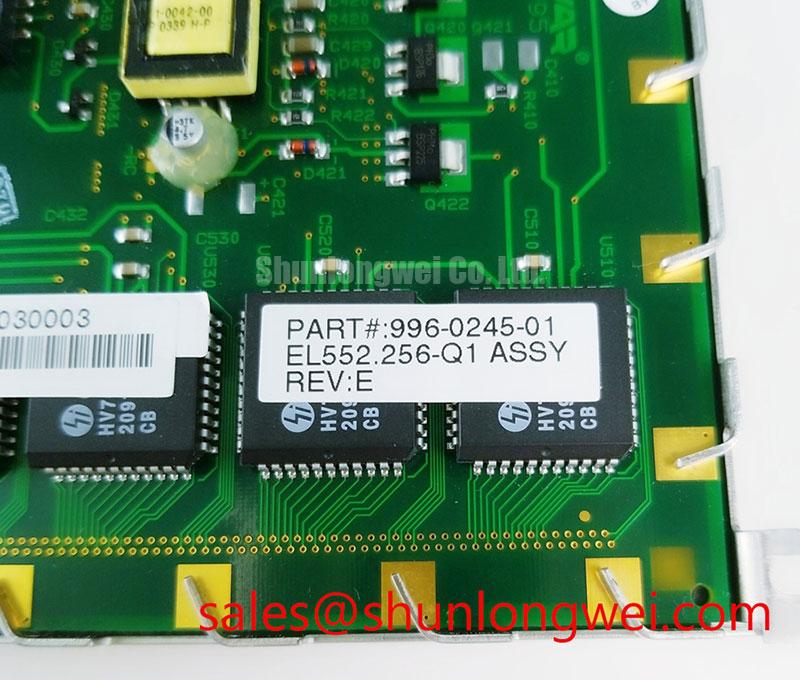
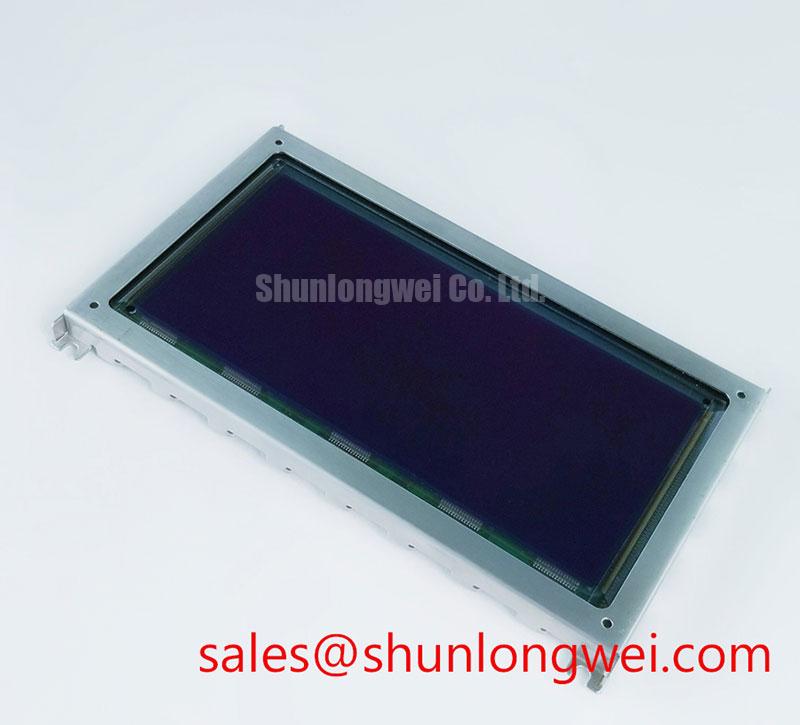
A Technical Analysis Focused on Intrinsic Durability
The exceptional resilience of the EL552.256-Q1 stems from its solid-state TFEL technology. Unlike liquid crystal displays (LCDs), this module contains no liquid or organic materials that can degrade, freeze, or boil under thermal stress. The light-emitting phosphor layer is an inorganic, solid material, ensuring consistent performance. This construction allows the display to operate instantly and effectively from an arctic -60°C to a blistering +85°C.
The mechanical strength is equally significant. The display’s structure is inherently robust, capable of withstanding mechanical shocks up to 200 g and vibrations of 20 g. This can be compared to the difference between a solid metal part and a liquid-filled container; the solid-state design of the EL552.256-Q1 provides a stable platform for data visualization that is not susceptible to the physical stresses found in heavy machinery, transportation, or aerospace applications. Furthermore, with a response time of less than 1 ms, it renders fast-moving data without any motion blur, a critical factor for operator awareness and control.
Optimized Application Scenarios
The specific characteristics of the EL552.256-Q1 make it a superior choice for a range of demanding fields. Its performance ensures data is always available and readable.
- Railway and Mass Transit: The display’s documented resistance to high shock and vibration ensures flawless operation in locomotive cabs and control systems.
- Heavy Industrial & Agricultural Vehicles: Provides clear readability in dusty, high-vibration environments and extreme temperatures, from frozen ground to desert heat.
- Marine & Naval Systems: Delivers reliable performance with excellent contrast for bridge control systems and instrumentation where sunlight and harsh conditions are standard.
- Aerospace & Defense: The wide operating temperature and rugged build are ideal for avionics and ground vehicle HMIs that must function without fail.
Its proven durability and clarity make the EL552.256-Q1 an optimal display for critical HMIs where system failure carries significant consequences.
Key Specifications of the EL552.256-Q1
| Display and Optical Characteristics | |
|---|---|
| Technology | Thin Film Electroluminescence (TFEL) |
| Resolution | 552 x 256 pixels |
| Active Area | 132.4 mm x 61.4 mm |
| Typical Luminance | 90 cd/m² |
| Contrast Ratio | >100:1 |
| Viewing Angle | >179° (all directions) |
| Response Time | < 1 ms |
| Environmental and Reliability Ratings | |
| Operating Temperature Range | -60°C to +85°C |
| Storage Temperature Range | -60°C to +105°C |
| Mechanical Shock Resistance | 200 g-force (g) |
| Vibration Resistance | 20 g-force (g) |
| Mean Time Between Failures (MTBF) | >100,000 hours |
Engineer’s Frequently Asked Questions
1. Is the EL552.256-Q1 suitable for systems deployed in extreme cold?
Yes, absolutely. The specified operating temperature range is -60°C to +85°C. Due to its solid-state TFEL technology, it provides instant-on performance with no degradation in response time or clarity, even at the lowest end of its temperature range, eliminating the need for complex and power-hungry heating systems required by many LCDs.
2. How is data transmitted to the EL552.256-Q1 display module?
The module typically uses a parallel data interface. This provides a direct, robust connection to an FPGA or a dedicated display controller IC, which is a common and reliable method for integration in industrial and embedded systems. This type of interface is less susceptible to EMI compared to serialized consumer-grade interfaces.
3. What contributes to the display’s high shock and vibration resistance?
The display’s durability comes from its fundamental construction. It is a solid-state device with no moving parts or liquid layers. The inorganic phosphor is deposited between stable dielectric layers on a solid glass substrate, creating a monolithic structure that is inherently resistant to physical stress far beyond the tolerance of liquid crystal technology.
4. Does the display require a separate backlight?
No, it does not. The EL552.256-Q1 is an emissive display, meaning the pixels themselves generate light when energized. This self-illuminating characteristic simplifies system design, reduces component count, and contributes to its overall reliability and uniform brightness across the screen.
Enabling Uncompromised System Reliability
For engineers developing systems that must perform flawlessly in the world’s most severe conditions, the EL552.256-Q1 display module offers a technically superior solution. Its ability to deliver clear, immediate, and reliable visual data under extreme physical and thermal stress allows for the design of more robust and dependable human-machine interfaces. By removing common points of failure associated with other display technologies, this module directly supports the goal of building truly resilient systems.