MD3-320-18-C-N Proton-Electrotex Diode Module: 1800V 320A High-Power Rectification Excellence
MD3-320-18-C-N Proton-Electrotex Diode Module | 1800V 320A
Industrial Rectification Excellence: MD3-320-18-C-N Core Highlights
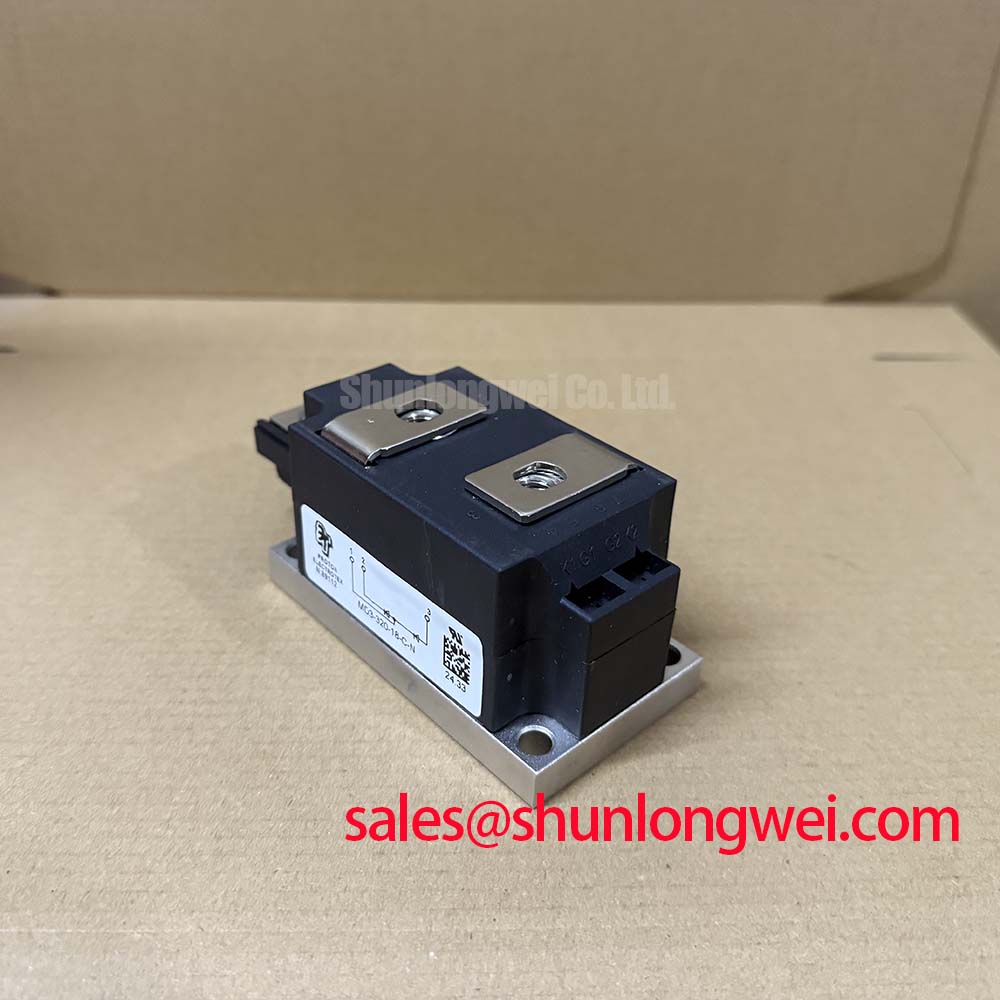
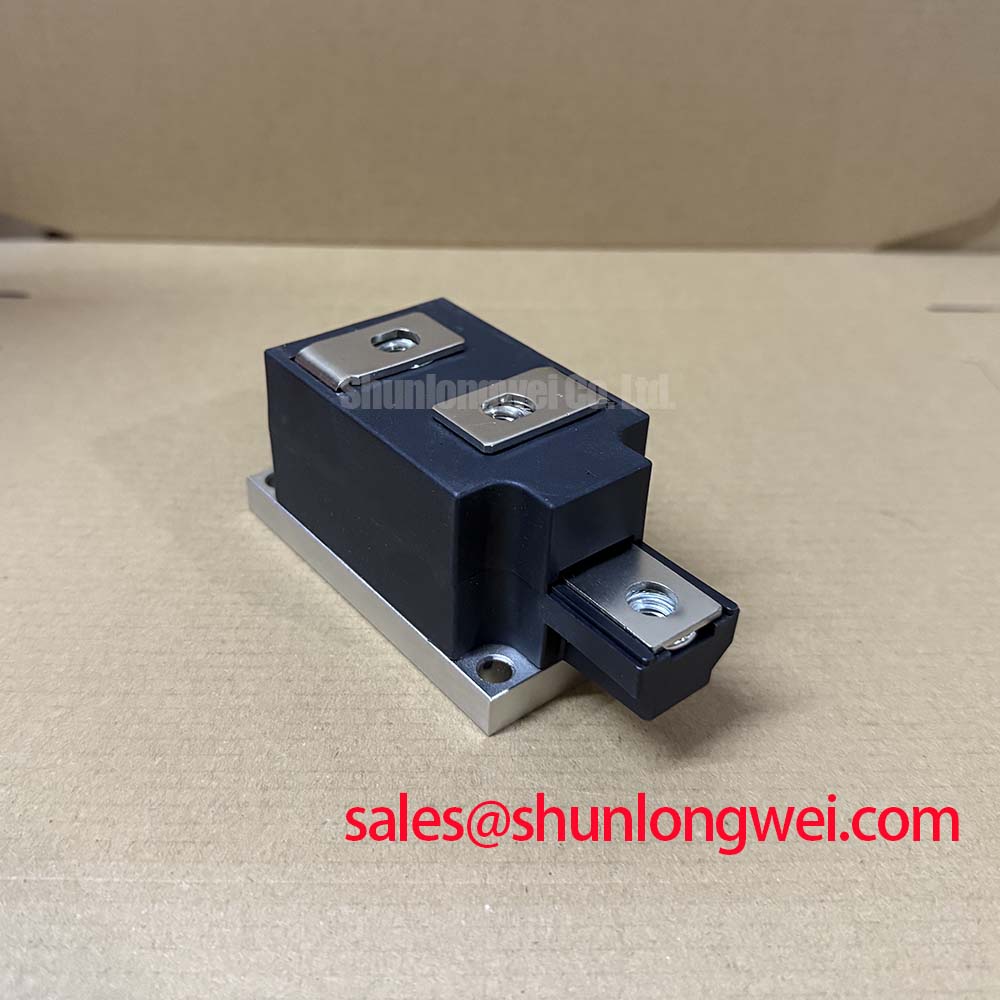
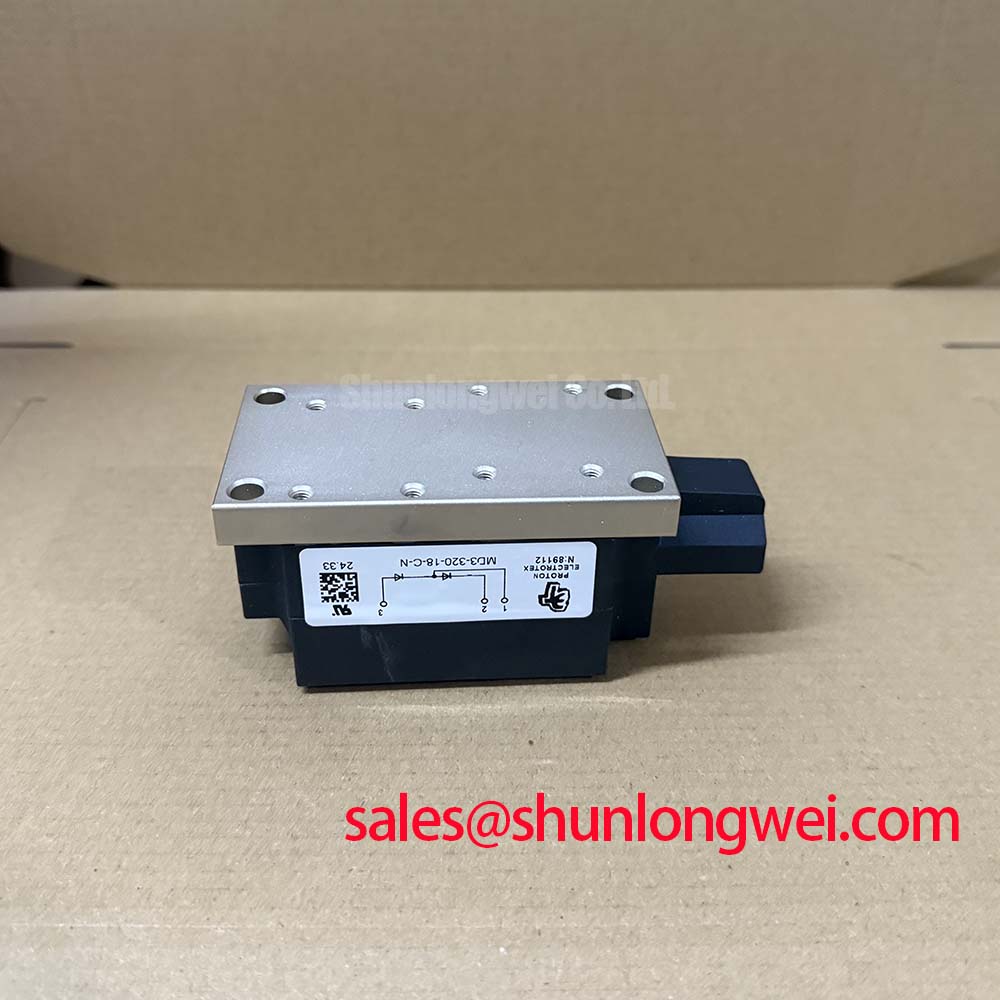
The MD3-320-18-C-N is a high-power dual diode module engineered by Proton-Electrotex for demanding industrial rectification. Utilizing advanced pressure contact technology, this module provides an exceptionally high surge current capability and stable performance under frequent thermal cycling. Its 1800V reverse blocking capacity makes it suitable for heavy-duty applications requiring a significant safety margin against voltage transients in power semiconductors.
- Core Specifications: 1800V VRRM | 320A IFAV | 10.5kA IFSM
- Key Advantages: Minimized forward conduction losses for cooler operation and a rugged industrial housing for mechanical longevity.
- Engineering Insight: When calculating heat sink requirements, the MD3-320-18-C-N benefits from a low junction-to-case thermal resistance, allowing for higher current density in compact converter designs.
Download Official Datasheet (PDF)

Technical Analysis: Pressure Contact and Thermal Efficiency
The MD3-320-18-C-N differentiates itself through the use of pressure contact internal construction. Unlike traditional solder-bonded modules that may suffer from fatigue at the bond-wire interface, pressure contact ensures a uniform distribution of electrical and thermal loads across the silicon wafer. This structural integrity is critical for maintaining long-term reliability in applications with varying load profiles. The integration of isolated baseplates ensures that the module can be mounted directly to a common heatsink with other components, simplifying the overall system layout.
A pivotal parameter for engineers is the Rthjc (Thermal Resistance, Junction to Case). To visualize its importance, one can imagine thermal resistance as the width of a highway; a lower resistance value acts like adding more lanes, allowing heat “traffic” to flow away from the silicon junction much faster. With a value as low as 0.085 K/W, the MD3-320-18-C-N prevents localized hot spots that could lead to premature device failure. Mastering this aspect is essential for effective thermal design and system longevity.
Optimized Application Scenarios
- High Power DC Supplies: Ideal for industrial plating and electrolysis where continuous 320A forward current and low voltage drop are required for energy efficiency.
- Input Rectifiers for VFDs: The 1800V rating provides a robust buffer against line surges in 480V and 600V AC motor drive systems.
- Uninterruptible Power Supplies (UPS): High surge current capability (10.5kA) ensures the module handles inrush currents during battery-to-line switching maneuvers.
- Soft Starters: Durable construction supports the repetitive high-current pulses typical during motor startup sequences.
Best Match: Industrial engineers requiring 1800V protection and 320A throughput will find this module the most reliable bridge for heavy-duty rectification.
Key Specifications Table
| Parameter Group | Specific Parameter | Symbol | Value |
|---|---|---|---|
| Absolute Maximum Ratings | Repetitive Peak Reverse Voltage | VRRM | 1800 V |
| Surge Forward Current (10ms) | IFSM | 10.5 kA | |
| Electrical Characteristics | Average Forward Current (Tc=100°C) | IFAV | 320 A |
| Peak Forward Voltage (IF=1000A) | VFM | 1.45 V | |
| Thermal Properties | Thermal Resistance (Junction to Case) | Rthjc | 0.085 K/W |
| Max Operating Junction Temp | Tjmax | 150 °C |
Engineer FAQ
Q: What is the recommended mounting procedure to ensure optimal heat dissipation?
A: Proper contact is paramount. Clean the heatsink surface and apply a thin, uniform layer of thermal compound. It is vital to strictly adhere to the terminal torque specifications mentioned in the datasheet (typically 5 Nm for the base and terminals) to avoid mechanical stress or poor electrical contact.
Q: How does the MD3-320-18-C-N handle high-frequency ripple current?
A: This module is optimized for line-frequency rectification. While its large silicon area provides excellent current handling, high-frequency switching losses should be carefully modeled if used in fast-switching environments, as it is primarily a standard recovery diode.
Q: Can these modules be used in a three-phase bridge configuration?
A: Yes. Because each MD3-320-18-C-N contains two diodes in series, three modules can be easily configured to create a full three-phase uncontrolled rectifier bridge capable of supporting high-kilowatt loads.
Fostering Reliable Power Design
The MD3-320-18-C-N stands as a cornerstone for robust industrial power systems, combining a high voltage ceiling with superior thermal management. By leveraging Proton-Electrotex’s pressure contact architecture, engineers can achieve design goals that prioritize both uptime and efficiency. This module remains a primary choice for high-current rectification where mechanical durability cannot be compromised.