Mitsubishi AA121SP08: 12.1-inch 1500 Nit Sunlight Readable Industrial SVGA LCD Display
Mitsubishi AA121SP08 | 12.1-inch 1500 Nit Industrial SVGA LCD
Introduction and Core Technical Highlights
The Mitsubishi AA121SP08 is a high-luminance 12.1-inch industrial TFT-LCD module specifically engineered for environments characterized by extreme ambient light and fluctuating temperatures. This module integrates a 1500-nit LED backlight system into an SVGA (800 x 600) resolution architecture, providing a distinct Unique Value Proposition (UVP) of superior sunlight readability paired with an industrial-grade operating window of -30°C to +80°C. By utilizing a high-efficiency LED backlight and a specialized industrial LCD technology framework, the AA121SP08 ensures data clarity where standard panels would suffer from washout or thermal-induced clearing.
- Core Specifications: 12.1″ Diagonal | 1500 cd/m² Luminance | SVGA (800×600) | LVDS Interface
- Key Advantages: Exceptional sunlight readability for outdoor HMI; consistent contrast performance across a 110°C thermal storage range.
- Answer to Integration Challenges: Engineers often ask how to maintain 1500 nits without compromising lifecycle; the AA121SP08 addresses this through optimized LED thermal dissipation paths.
View Detailed Product Specifications
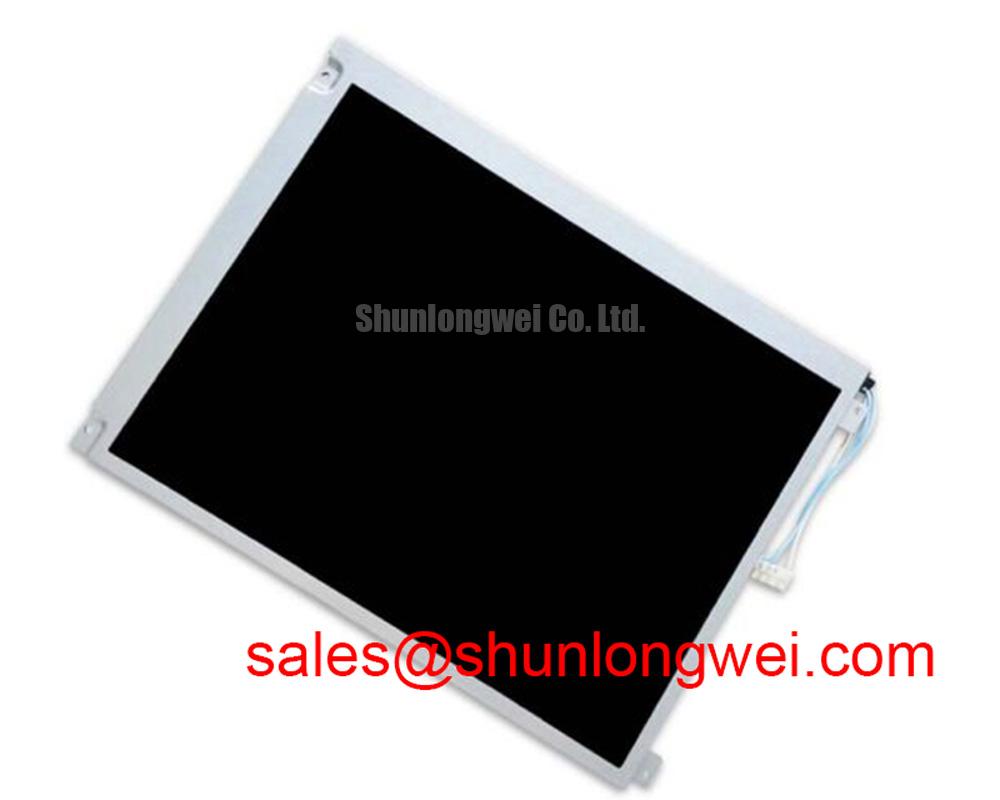
Mitsubishi AA121SP08 Front Aspect | High-Brightness SVGA Industrial Panel
Technical Analysis: Optical Performance and Thermal Resilience
The engineering significance of the 1500 cd/m² luminance rating in the AA121SP08 cannot be overstated. Standard industrial displays typically range between 300 and 500 nits, which often proves insufficient for direct solar exposure. One can visualize luminance as the “voice” of the display; standard panels whisper, but the 1500 nits of the AA121SP08 allow it to shout over the “visual noise” of high-noon solar radiation. This prevents the washout phenomenon, allowing the 800:1 Contrast Ratio to remain effective even when reflected light is high.
A secondary technical triumph lies in the module’s liquid crystal viscosity management. At extreme temperatures of -30°C, typical TFT-LCD panels suffer from significant ghosting due to sluggish pixel response. The AA121SP08 maintains a responsive transition time through an optimized cell gap and high-mobility liquid crystal materials. Furthermore, the 1500-nit backlight generates substantial internal heat. Mitsubishi has addressed this by integrating an advanced heat dissipation structure that routes thermal energy away from the active display area, directly supporting the panel’s thermal management strategy to prevent localized hotspots that cause pixel aging.
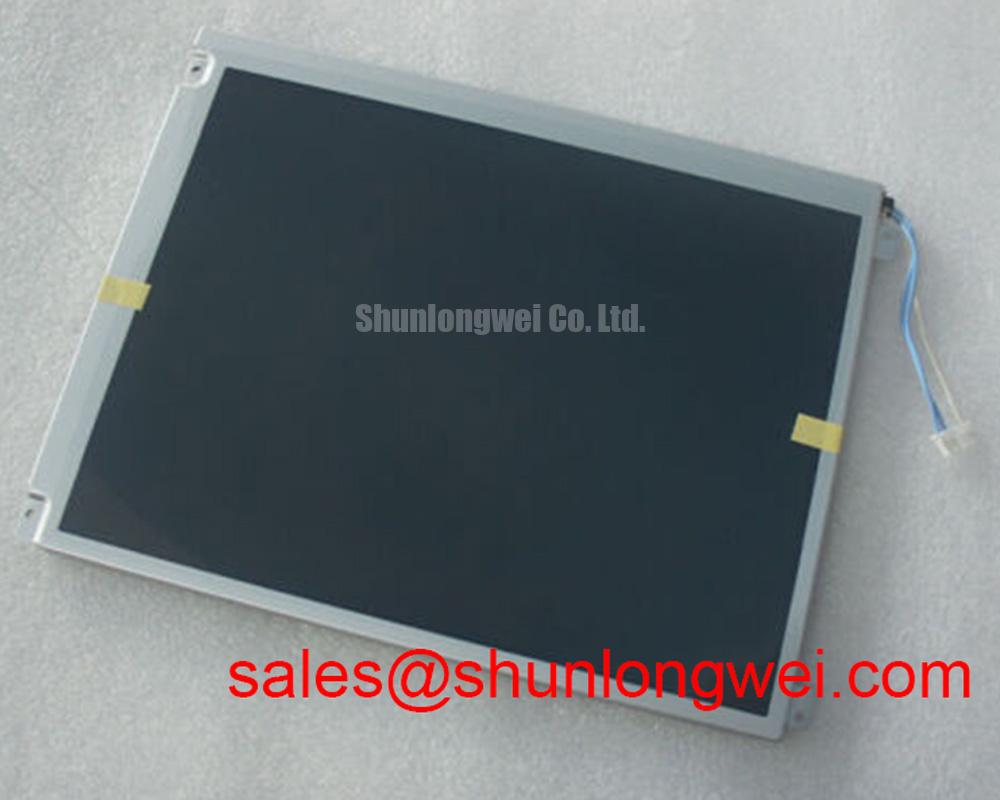
Engineered Application Scenarios
The specific attributes of the AA121SP08 make it a highly compatible solution for several demanding sectors. For sunlight readability applications, such as outdoor kiosk systems or marine bridge equipment, the high luminance provides the necessary optical headroom. In marine contexts, the module’s ability to resist the yellowing effects of UV exposure over long periods is a critical design factor.
- Marine Bridge Navigation: High contrast and anti-glare properties facilitate safe operation under changing sea-glare conditions.
- Outdoor Kiosks/EV Chargers: Resilience against direct sunlight washout ensures user interaction remains seamless 24/7.
- Industrial Heavy Machinery: The wide operating temperature range allows the panel to function in non-conditioned equipment cabins in arctic or desert climates.
Best Match Conclusion: This module is the optimal choice for outdoor HMI deployments requiring uncompromised readability and long-term mechanical reliability in fluctuating thermal environments.
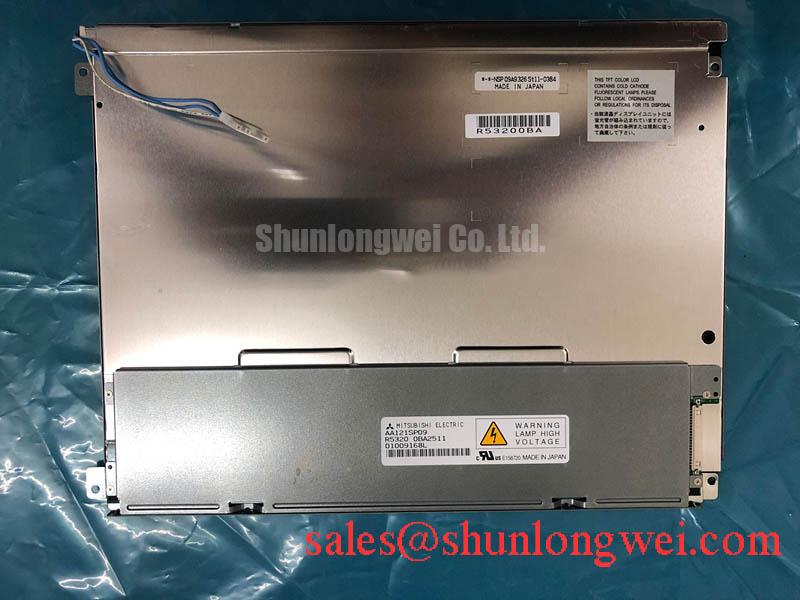
Key Specification Parameters
| Category | Parameter | Value |
|---|---|---|
| Optical | Resolution | 800 x 600 (SVGA) |
| Luminance | 1500 cd/m² (Typical) | |
| Contrast Ratio | 800:1 | |
| Electrical | Interface | LVDS (6-bit/8-bit) |
| Input Voltage | 3.3V (Typical) | |
| Environmental | Operating Temp | -30°C to +80°C |
| Storage Temp | -30°C to +80°C |
Engineer FAQ
Q1: How should signal integrity be managed for the LVDS interface in high-EMI environments?
A: The AA121SP08 utilizes a differential LVDS architecture. To minimize jitter, engineers should maintain a 100-ohm differential impedance on the PCB and keep trace lengths strictly matched. For more details, refer to the LVDS Interface design guide.
Q2: Does the 1500-nit luminance require external cooling?
A: While the AA121SP08 has an internal heat-path design, high-ambient operation (above 50°C) may require active airflow or a heat-conductive chassis mount to prevent the LED junction temperature from exceeding specified limits.
Q3: Can the module be driven at 6-bit or 8-bit color depth?
A: Yes, the LVDS interface is configurable. It supports 262k colors (6-bit) or 16.7M colors (8-bit) depending on the input data mapping, providing flexibility for legacy and modern controller hardware.
Closing Statement
The Mitsubishi AA121SP08 represents a sophisticated balance between optical intensity and industrial ruggedness. By providing 1500 nits of luminance within a wide-temperature SVGA framework, it empowers engineers to deploy digital interfaces in environments previously deemed impossible for TFT-LCD technology. Its LVDS flexibility and optimized thermal architecture make it a reliable cornerstone for modern outdoor and marine system designs.