Mitsubishi CM400HA2-34KA: A Comprehensive Overview of the 1700V 400A High-Power IGBT Module
Mitsubishi CM400HA2-34KA | 1700V 400A High-Power IGBT Module
Introduction to the Mitsubishi CM400HA2-34KA Architecture
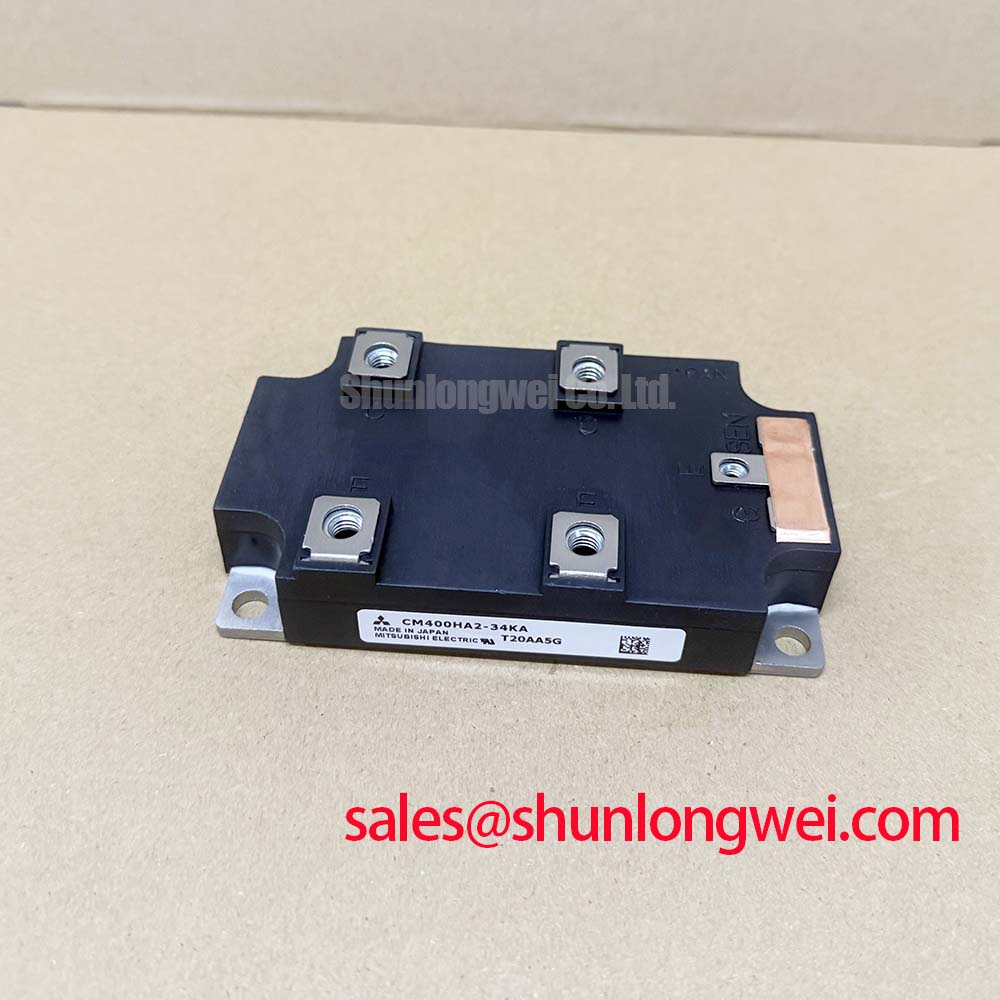
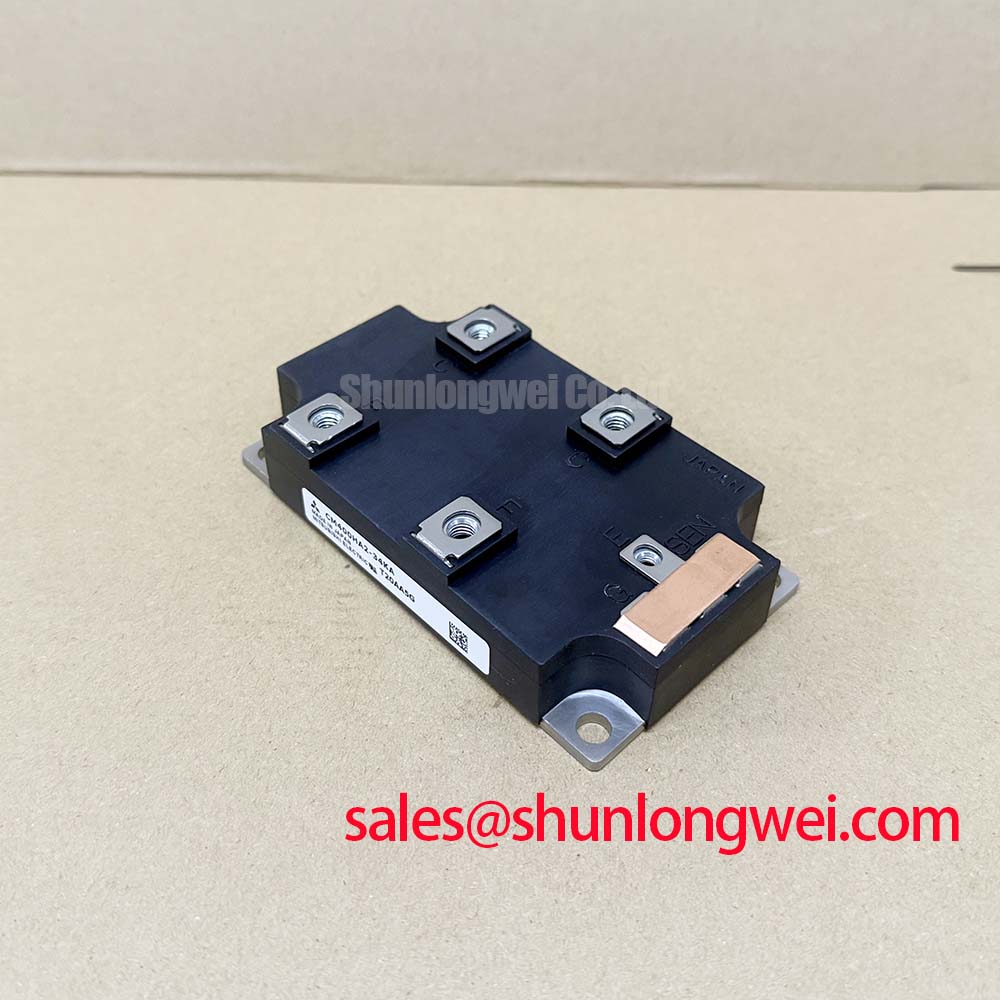
The Mitsubishi CM400HA2-34KA is a high-performance, single-configuration IGBT (Insulated Gate Bipolar Transistor) module designed for heavy-duty industrial switching. Engineered with 1700V insulation and a 400A collector current rating, it utilizes advanced CSTBT™ (Carrier Stored Trench-gate Bipolar Transistor) technology to achieve an optimal balance between conduction efficiency and switching speed. This module is specifically built to address the rigorous demands of high-voltage power conversion systems, where thermal stability and low power loss are critical for long-term operational success.
- Core Specifications: 1700V | 400A | Single Switch Configuration.
- Key Advantage: Reduced power dissipation through optimized VCE(sat) levels.
- Engineering Value: Simplifies cooling system requirements by minimizing heat generation per switching cycle.
For engineers asking “How do I maximize efficiency in a 690V AC grid inverter?”, the 1700V rating of the CM400HA2-34KA provides the necessary safety margin for DC link voltages often exceeding 1000V in such systems.
Download Official Datasheet (PDF)
Technical Analysis of the CM400HA2-34KA and CSTBT™ Evolution
The CM400HA2-34KA represents a significant milestone in power semiconductor design, moving beyond standard trench-gate structures. By implementing the CSTBT™ chip architecture, Mitsubishi has successfully increased the carrier density near the emitter side of the drift region. This results in a lower saturation voltage ($V_{CE(sat)}$), which directly correlates to reduced conduction losses. In high-power applications, even a 0.1V reduction in $V_{CE(sat)}$ can translate to hundreds of watts in saved energy over time, preventing the thermal runaway scenarios discussed in our root cause analysis of IGBT failures.
To understand the engineering significance of its thermal resistance ($R_{th(j-c)}$), one can use a simple analogy: think of the thermal resistance as the diameter of a drainage pipe. A lower $R_{th}$ value is like a wider pipe; it allows heat to “flow” away from the sensitive silicon junction toward the heatsink much more easily. With an isolated baseplate design, the CM400HA2-34KA ensures that this heat transfer is maximized while maintaining safe electrical separation from the chassis, a standard feature further explored in our guide to isolated baseplate reliability.
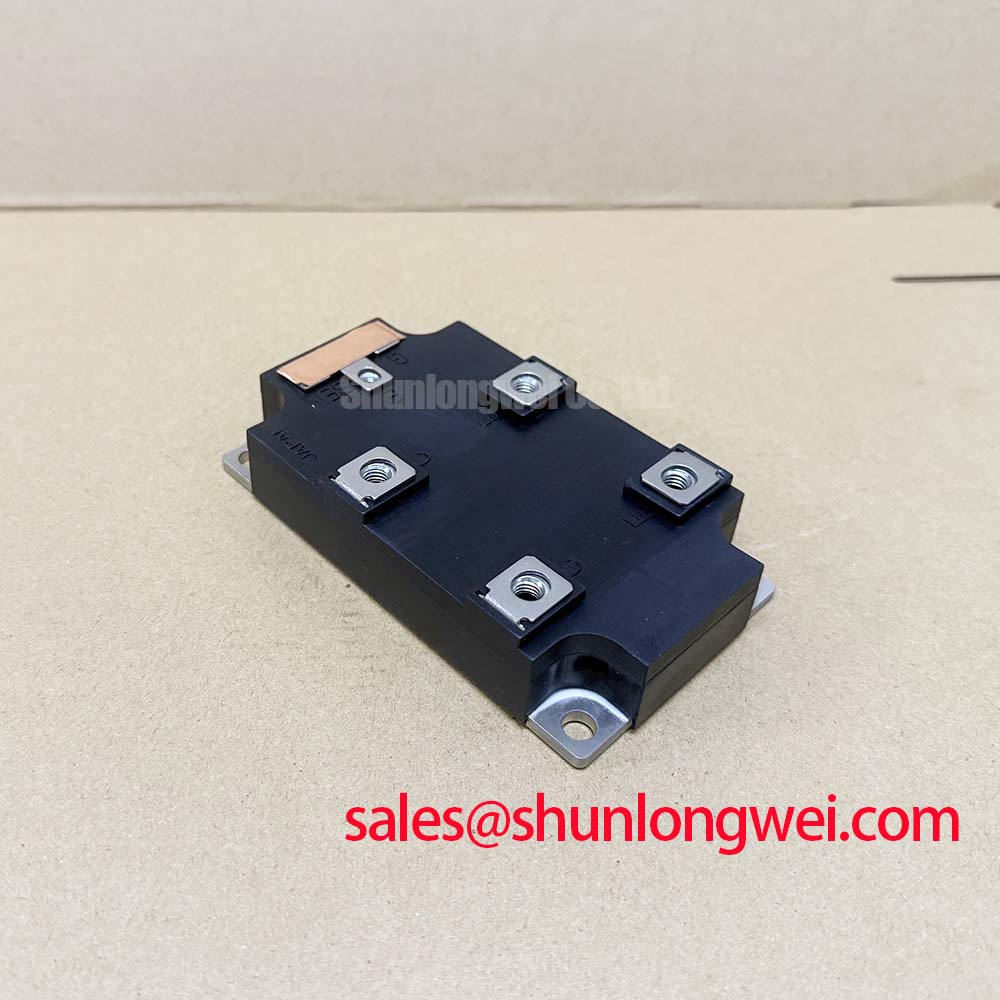
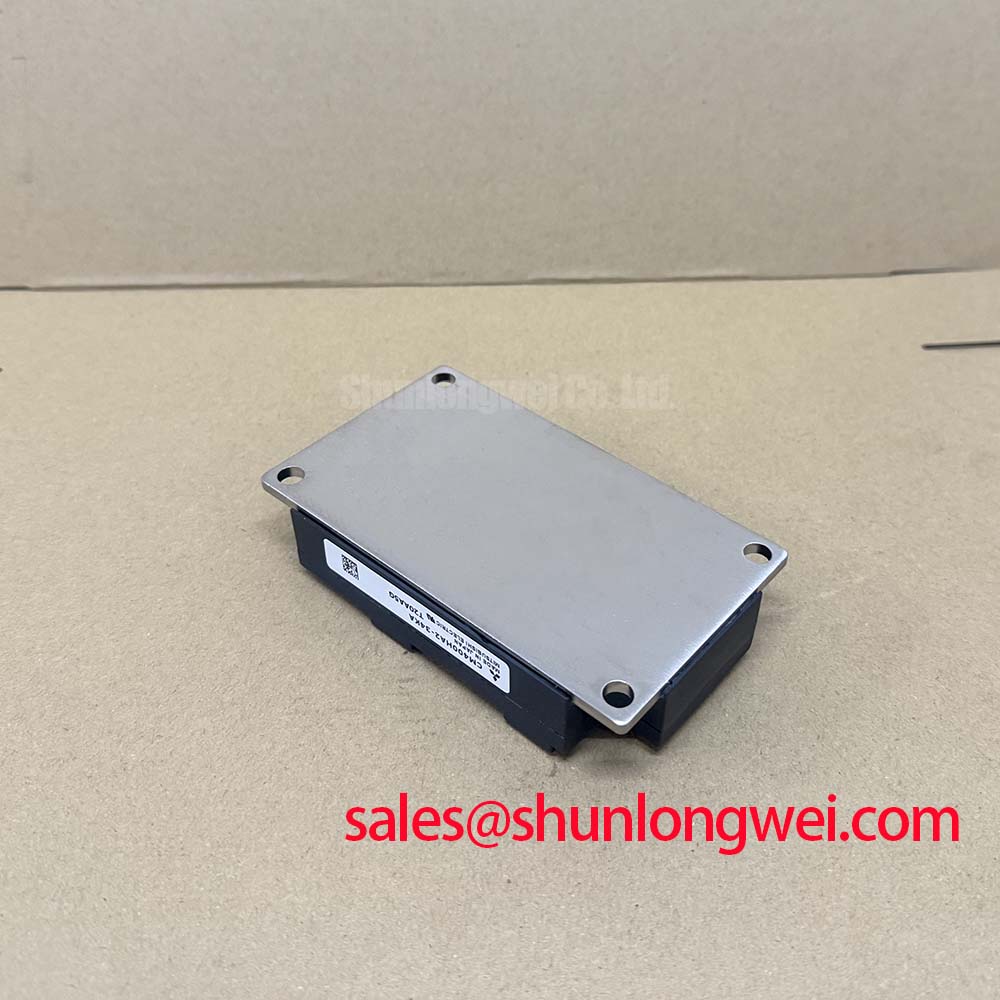
Furthermore, the gate charge ($Q_G$) characteristics of the CM400HA2-34KA are tailored to facilitate stable switching transitions. Engineers must pay close attention to the Miller Plateau during the turn-on and turn-off phases to prevent parasitic oscillations. A well-designed gate drive circuit that accounts for these characteristics will lead to cleaner waveforms and reduced electromagnetic interference. For deeper insights into this phenomenon, refer to our technical article on mastering the Miller Plateau.
Optimized Application Scenarios
The robust electrical profile of the CM400HA2-34KA makes it an ideal building block for several high-demand industrial sectors:
- Renewable Energy Inverters: Specifically for wind power converters where 1700V ratings are necessary to handle 690V AC output requirements and transient grid voltage spikes.
- Large Scale UPS Systems: The high current density and low conduction loss allow for more compact and efficient uninterruptible power supplies in data centers.
- Induction Heating Power Supplies: The single switch configuration allows for flexible topology design, such as resonant converters requiring high-speed switching and high reliability.
- Traction Drives: Heavy industrial motor control where durability under cyclic loading is paramount.
Best Match: High-reliability 100kW+ power converters requiring exceptional thermal cycling durability and minimized conduction losses in high-voltage environments.
CM400HA2-34KA Key Specifications
| Parameter Group | Specification | Value (Typical) |
|---|---|---|
| Absolute Maximum Ratings | Collector-Emitter Voltage (VCES) | 1700V |
| Collector Current (IC) | 400A | |
| Total Power Dissipation (PC) | 3100W | |
| Electrical Characteristics | Collector-Emitter Saturation Voltage | 2.2V (at IC=400A) |
| Gate-Emitter Threshold Voltage | 6.0V – 8.5V | |
| Thermal Characteristics | Thermal Resistance (Junction-to-Case) | 0.04 K/W |
Engineer FAQ
Q1: What is the recommended mounting torque for the CM400HA2-34KA?
A: Proper mounting torque is essential to ensure low thermal resistance and prevent mechanical stress. According to the Mitsubishi guidelines for this package, the M6 mounting screws should typically be torqued to 3.5 ~ 4.5 N·m, while the M5 electrical terminals require 2.5 ~ 3.5 N·m.
Q2: Can I parallel multiple CM400HA2-34KA modules for higher current capacity?
A: Yes, but it requires careful layout design. Because these modules feature a positive temperature coefficient for $V_{CE(sat)}$, they are inherently suited for paralleling as the current naturally tends to balance across chips. However, symmetric gate drive paths and DC busbar inductance must be strictly controlled.
Q3: How does the CSTBT™ technology handle short-circuit events?
A: The CM400HA2-34KA includes a robust Short-Circuit Safe Operating Area (SCSOA). This allows the device to withstand high currents for a limited duration (typically 10 microseconds), giving the protection circuitry enough time to detect the fault and safely shut down the gate signal.
Conclusion
The Mitsubishi CM400HA2-34KA stands as a cornerstone component for high-power switching applications that demand 1700V isolation and substantial current throughput. By integrating CSTBT™ chip technology with a thermally efficient isolated baseplate, this module enables engineers to design more reliable, compact, and efficient power systems. Its predictable electrical characteristics and high surge tolerance provide the foundational stability required for the next generation of industrial energy conversion.