Mitsubishi PS21564-P: An Integrated IPM for Compact and Reliable Motor Drives
## Mitsubishi PS21564-P DIP-IPM for Compact Motor Drives
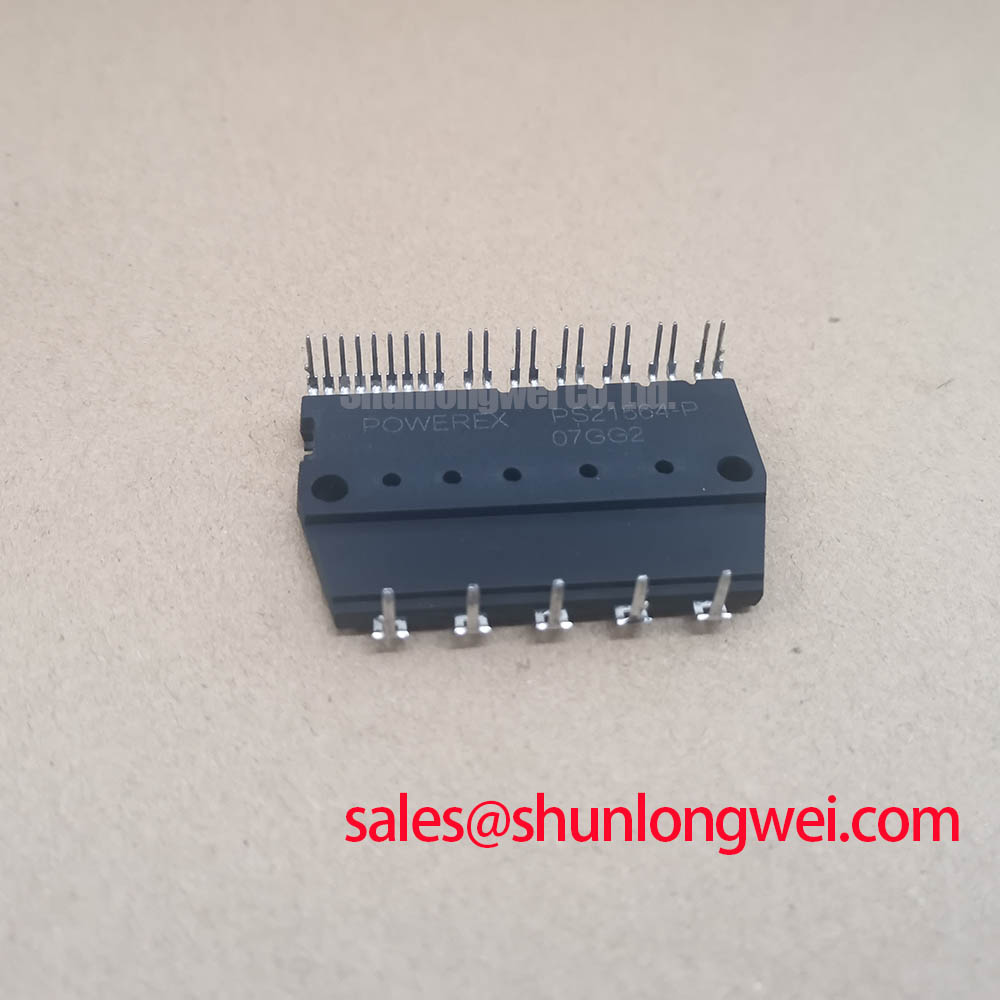
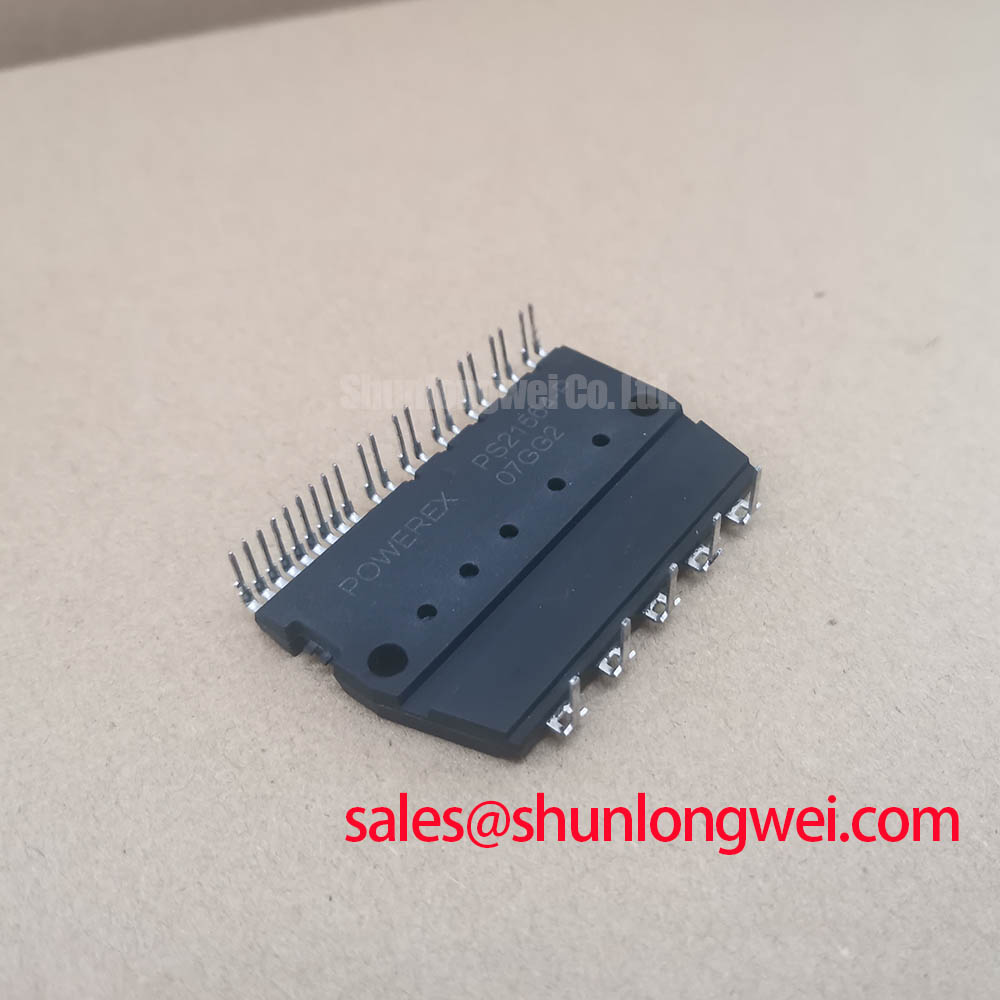
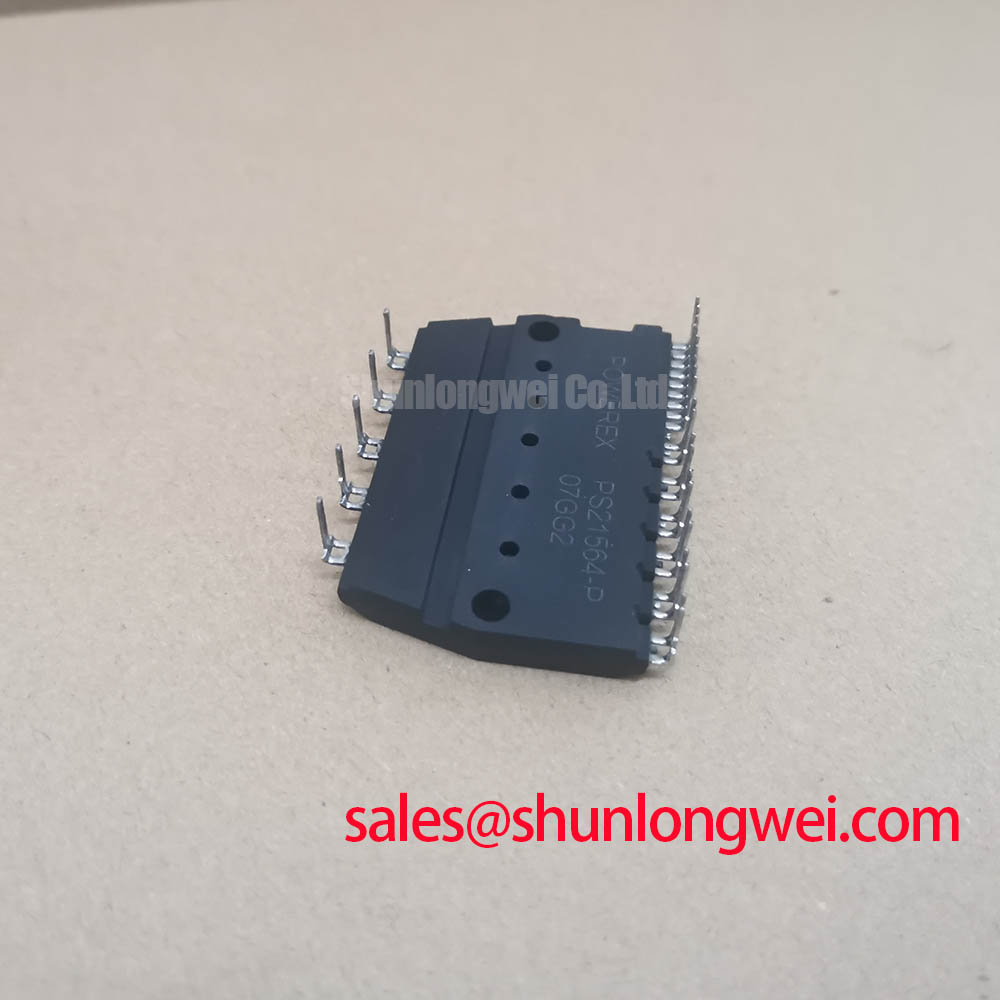
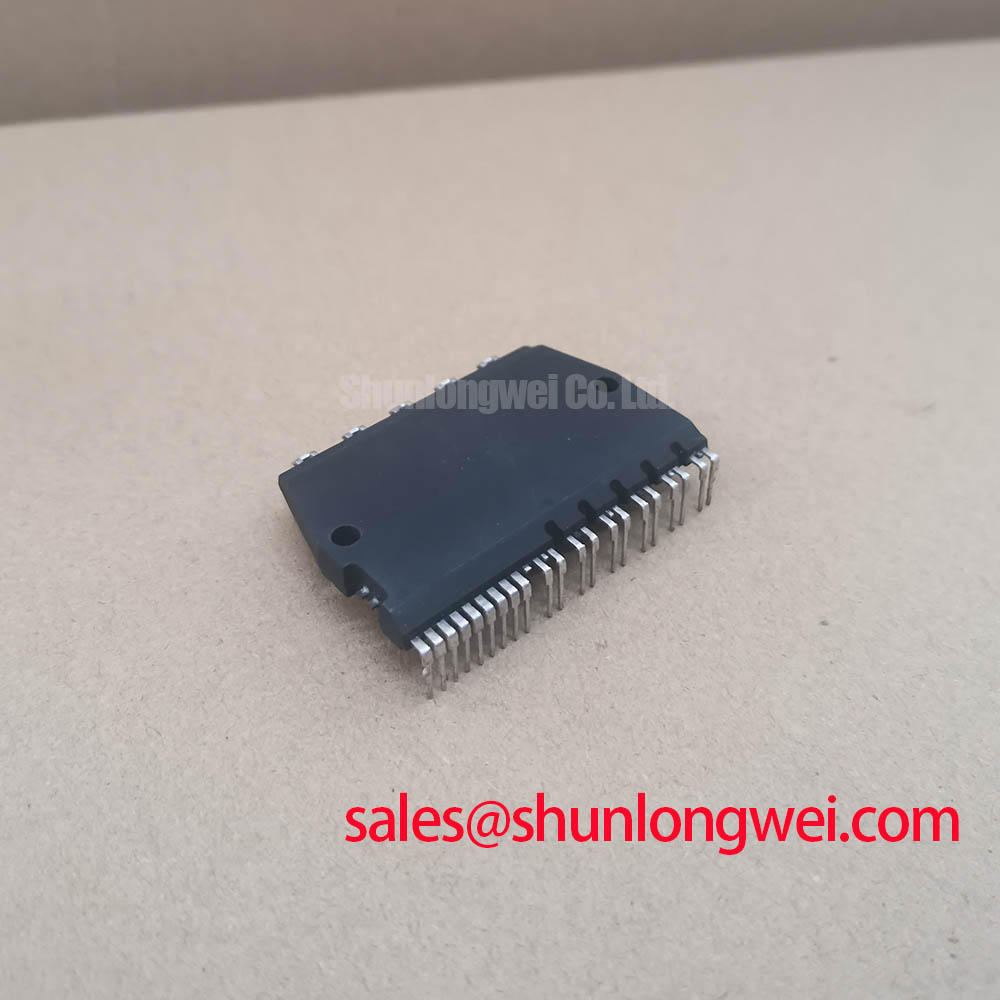
The Mitsubishi PS21564-P is a DIP Intelligent Power Module (IPM) that delivers a highly integrated and protected three-phase inverter solution. Its primary value is simplifying the design of motor control circuits by combining 5th generation IGBTs, free-wheeling diodes, high-voltage ICs (HVICs), and protection circuits into a single compact dual-in-line package. This integration directly addresses the need for reduced PCB complexity and faster design cycles in space-constrained applications.
* **Core Specifications**: 600V | 15A | 3-Phase Inverter
* **Key Advantages**: Integrated gate drivers and bootstrap diodes reduce external component count. Built-in short-circuit, under-voltage, and over-temperature protections enhance system reliability.
* **Design Focus**: Enables direct connection to a CPU or microcontroller, streamlining control logic implementation.
Download Official Datasheet (PDF)
### Technical Analysis: Integration for Reliability
A key engineering benefit of the **PS21564-P** is its comprehensive, built-in protection system. The module provides short-circuit (SC) protection for the lower-arm IGBTs, under-voltage (UV) lockout for both high-side and low-side control supplies, and an over-temperature (OT) output via an on-board analog temperature sensor. This level of integration removes the need for numerous external monitoring and protection components, which not only saves board space but also eliminates complex interconnects that can be sources of noise and failure. For more insight into how such integrated structures enhance performance, see our guide on the IPM advantage.
The collector-emitter saturation voltage (VCE(sat)) is a critical parameter for efficiency, as it dictates conduction losses. The PS21564-P specifies a typical VCE(sat) of 1.45V at 15A and a junction temperature of 25°C. This parameter can be compared to the width of a water pipe; a lower VCE(sat) is like a wider pipe, allowing current to flow with less resistance and generating less heat. This efficiency reduces the demands on the thermal management system, potentially allowing for smaller heatsinks and contributing to a more compact overall product design.
### Optimized Application Scenarios
The PS21564-P is specified for AC 100V~200V inverter drive applications. Its characteristics make it a strong fit for the following:
* **Washing Machines & Refrigerators**: The module’s compact DIP package and integrated protection features provide the reliability required for long-life consumer appliances.
* **Air Conditioners**: Over-temperature protection and efficient IGBT performance are critical for managing the thermal loads in HVAC systems.
* **Small Servo Motors**: Direct connection to a CPU and fast switching characteristics allow for the precise control needed in small-scale robotics and automation.
* **General Purpose Small Motor Control**: The high level of integration simplifies the design process for various industrial fans, pumps, and other small motor applications.
This IPM is best matched for low-power motor control systems where reducing design time and improving system reliability are primary engineering goals.
### Key Specifications of the PS21564-P
| Parameter | Value | Conditions |
|---|---|---|
| Collector-Emitter Voltage (VCES) | 600 V | – |
| Collector Current (IC) | 15 A | Tf = 25°C |
| Collector-Emitter Saturation Voltage (VCE(sat)) (Typ.) | 1.45 V | IC = 15A, Tj = 25°C |
| Isolation Voltage (VISO) | 2500 Vrms | AC 1 minute, 60Hz Sinusoidal |
| Operating Case Temperature (Tf) | -20 to 100 °C | – |
### Engineer’s FAQ
**1. What are the key protection features built into the PS21564-P?**
The module includes control supply under-voltage (UV) protection for both high and low-side drivers. It also features short-circuit (SC) protection for the lower-arm IGBTs and provides a fault signal (Fo) output in the event of an SC or low-side UV fault. A guide to under-voltage lockout provides more context on this critical function.
**2. What is the recommended bootstrap circuit configuration?**
The datasheet recommends using high-voltage (600V or more) and fast-recovery (less than 100ns) diodes for the bootstrap circuit. The bootstrap capacitor value depends on the specific PWM control scheme used in the system, but a tight tolerance, temperature-compensated electrolytic capacitor is suggested.
**3. How should thermal management be handled for this DIP-IPM?**
The module must be mounted on a heatsink. The datasheet specifies that silicon grease should be applied evenly to a thickness of 100-200µm between the module and the heatsink to ensure effective heat transfer. The maximum allowable case temperature (Tf) is 100°C, but the average junction temperature should be kept at or below 125°C for safe operation. Our article on mastering thermal design offers further engineering principles.
**4. Does this module have an integrated NTC thermistor?**
The datasheet for the PS21564-P does not list an integrated NTC thermistor. However, it does provide an analog temperature output (VOT) that can be used for over-temperature monitoring and protection.
### Empowering Compact and Reliable Designs
The **PS21564-P** offers a clear path for engineers to develop robust and compact motor control systems. By integrating the power stage, gate drive, and critical protection functions into a single, tested module, it reduces component count, minimizes PCB layout complexity, and mitigates common sources of failure. This allows design teams to focus on system-level innovation, confident in the reliability of the core power inverter stage.